Titus Word Search
Enhance your study of Titus with our Bible word search. Discover the history of Crete, the requirements for elders, and the grace of God in this pastoral letter.

The Epistle to Titus offers a fascinating glimpse into the early church's expansion across the Mediterranean, specifically on the rugged island of Crete. While often grouped with the other Pastoral Epistles, this short letter possesses a unique, sharp focus on the relationship between sound doctrine and good works. As you engage with our Titus word search puzzle, you are doing more than just finding hidden letters; you are retracing the steps of a trusted companion of Paul who was tasked with setting a chaotic church in order. This puzzle is designed to help families and students of the Word lock in the key vocabulary and theological concepts that define this brief but potent book. Let the search for these terms draw your heart closer to the practical beauty of a life lived in accordance with godly truth.
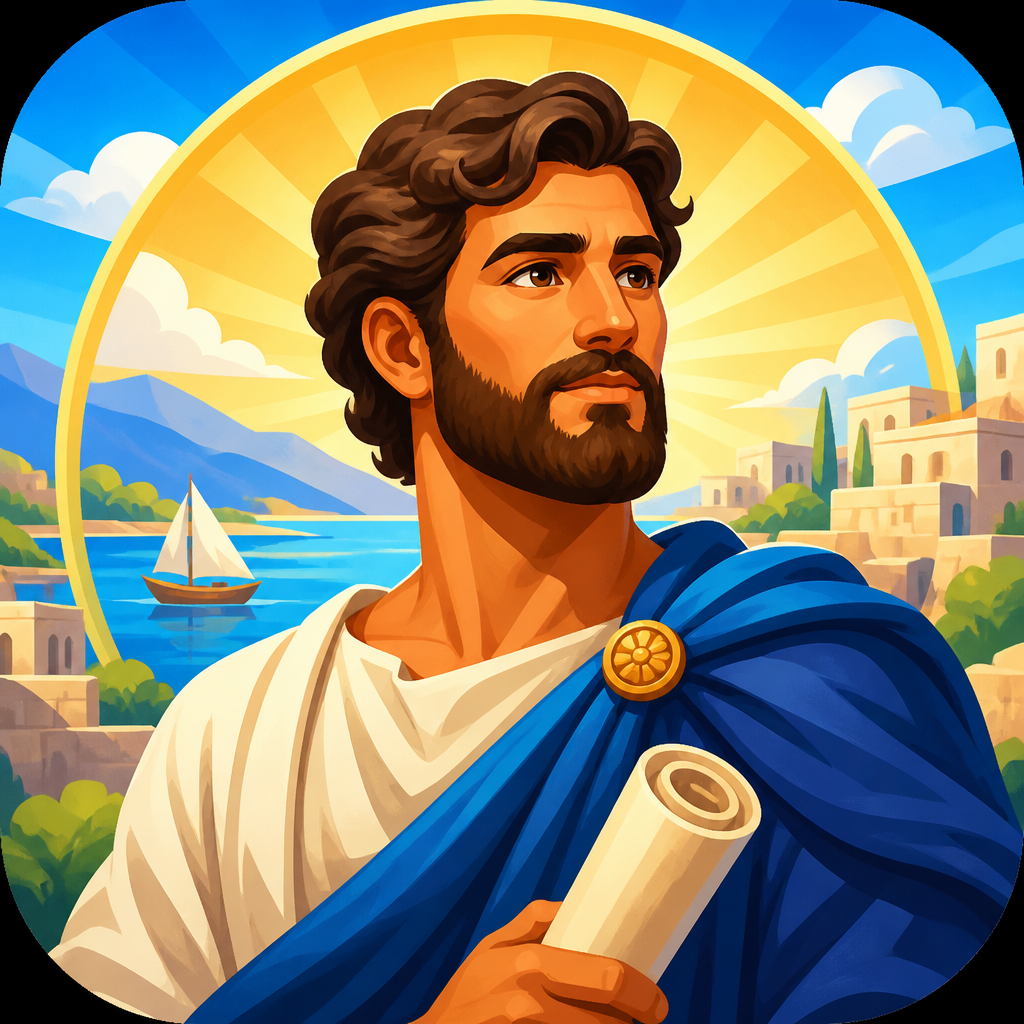
The Practical Wisdom of Titus
The Book of Titus is a short, authoritative letter written by the Apostle Paul, likely dated between AD 63 and 65, following his first imprisonment in Rome. It is addressed to Titus, a Greek convert and dependable fellow-laborer whom Paul affectionately calls 'mine own son after the common faith.' Positioned in the New Testament between 2 Timothy and Philemon, Titus serves as a manual for church governance and Christian conduct. The historical setting is the island of Crete, a place known in antiquity for its difficult social climate and moral challenges. Paul had left Titus there to 'set in order the things that are wanting,' which included appointing elders in every city. The literary style is concise and instructional, moving rapidly from the qualifications of leadership to the behaviors expected of various age groups within the congregation. It acts as a bridge between high theology and the grit of daily life, emphasizing that the grace of God should produce a people 'zealous of good works' who reflect the light of Christ to a watching world.
Leadership, Order, and the Grace of Truth
The primary theme of Titus is the inextricable link between what a person believes and how they behave. Chapter 1 focuses heavily on ecclesiastical order, detailing the strict qualifications for bishops and elders, who must be blameless and able to convince the gainsayers. A unique historical moment occurs in Titus 1:12, where Paul quotes the Cretan philosopher Epimenides to address the specific cultural hurdles Titus faced on the island. Moving into Chapter 2, the letter outlines a beautiful tapestry of household conduct, providing specific instructions for aged men, aged women, young women, and young men. This section highlights the importance of mentorship and the 'adornment' of the doctrine of God. Chapter 3 shifts toward the believer's role in society, stressing subjection to principalities and powers. A central theological pillar is found in Titus 3:5, which clarifies that salvation is not by works of righteousness which we have done, but according to His mercy. This ensures that while good works are the necessary fruit of faith, the root of our standing before God remains purely His washing of regeneration and renewing of the Holy Ghost.
Questions People Ask About Titus
Who was Titus in the Bible?
Titus was a Greek Christian and a loyal companion of the Apostle Paul. Unlike Timothy, Titus was uncircumcised, serving as a living testament to the Gospel's reach to the Gentiles (Galatians 2:3). He was a trusted troubleshooter, often sent by Paul to handle difficult situations, such as the collection for the poor in Jerusalem and the organization of the church on the island of Crete.
What are the qualifications for elders in Titus 1?
In Titus 1:6-9, Paul lists several requirements for elders, also called bishops. They must be blameless, the husband of one wife, and have faithful children. Character traits include being self-controlled, hospitable, a lover of good men, just, and holy. Crucially, they must hold fast the faithful word to both exhort and convince those who contradict the sound doctrine.
What does Titus say about the grace of God?
Titus 2:11-12 provides a definitive summary: 'For the grace of God that bringeth salvation hath appeared to all men, Teaching us that, denying ungodliness and worldly lusts, we should live soberly, righteously, and godly, in this present world.' This passage reveals that grace is not just for forgiveness, but also for the practical training of the believer.
Why did Paul leave Titus in Crete?
According to Titus 1:5, Paul left Titus in Crete to 'set in order the things that are wanting, and ordain elders in every city.' The island had many new believers but lacked structural leadership and was being influenced by 'unruly and vain talkers' who needed to be silenced with sound teaching.
What is the 'blessed hope' mentioned in Titus?
In Titus 2:13, the 'blessed hope' refers to the 'glorious appearing of the great God and our Saviour Jesus Christ.' This theme encourages Christians to look beyond their current earthly trials and remain faithful in their conduct, anchored by the certainty of Christ's promised return in majesty.
Words to Look For in This Puzzle
A curated list of names, places, and themes from Titus.
Verses to Reflect On
“For the grace of God that bringeth salvation hath appeared to all men,”
“Not by works of righteousness which we have done, but according to his mercy he saved us, by the washing of regeneration, and renewing of the Holy Ghost;”
“In hope of eternal life, which God, that cannot lie, promised before the world began;”
Studying the book of Titus reminds us that our faith is meant to be visible. From the way we respect authority to the way we mentor the next generation, every action is an opportunity to show the world the 'kindness and love of God our Saviour.' We hope this word search serves as a delightful companion to your scripture reading, helping you memorize the qualities of godly leadership and the foundational truths of grace. As you find each word, take a moment to reflect on how you might be 'zealous of good works' in your own community today. May the message of Titus inspire a life of order, hope, and unwavering devotion to the Truth.
Frequently Asked Questions
How many chapters are in the book of Titus?
The book of Titus consists of exactly three chapters. Despite its brevity, it is packed with dense theological instruction and practical advice for Christian living and church organization.
Is this Titus word search suitable for Sunday School?
Absolutely. This puzzle uses clear, biblical vocabulary found in the KJV text of Titus, making it an excellent educational tool for children, teens, and adults learning about church history.
Can I print this Bible puzzle for home use?
Yes, our puzzles are designed to be printer-friendly for personal use, small groups, or family devotions. It is a great way to engage with the text of Titus away from a screen.
Where can I read the full book of Titus online?
You can find the book of Titus in the New Testament of any standard Bible. Many free websites like BibleGateway or Blue Letter Bible offer the King James Version for easy study.
More Bible puzzles

Puzzle powered by WordSearch.Life