Hosea Word Search
Explore the Book of Hosea through our Bible Word Search. Learn about the prophet's life and God's enduring mercy in this engaging for all ages study guide.

The prophetic writings of Hosea offer a profound lens into the heart of God, blending personal heartbreak with a powerful message of national restoration. As you prepare to engage with our Hosea Bible word search, you are invited to slow down and consider the depth of a love that refuses to let go. This eighth-century prophet was called to live out a difficult allegory, mirroring the relationship between a faithful Creator and a wandering people. Each hidden word in our puzzle corresponds to the names, places, and theological currents that define this minor prophet's ministry. By searching for these terms, you connect more deeply with the ancient text, allowing the weight of its history and the beauty of its hope to resonate with your own spiritual journey today.
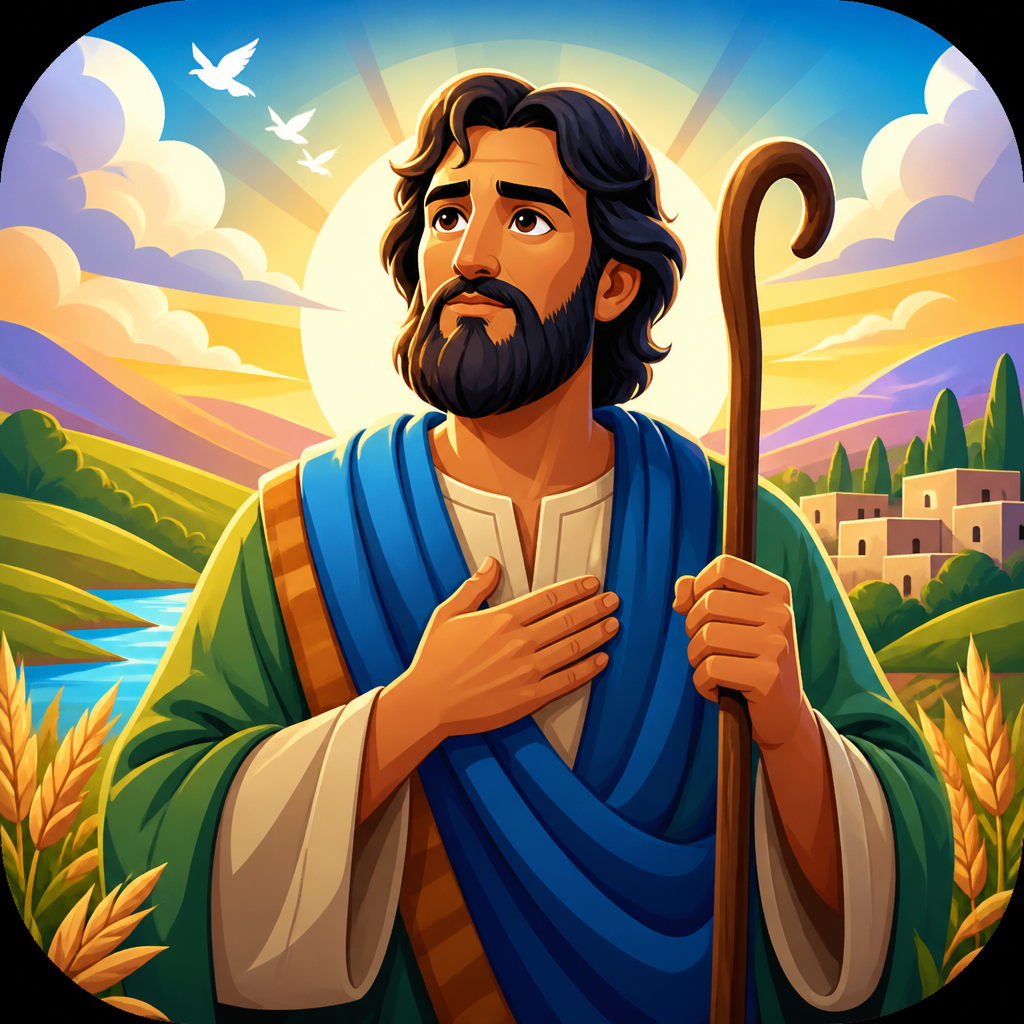
Historical Context and Authorship of Hosea
Hosea, whose name means 'salvation,' is the first of the twelve Minor Prophets in the Hebrew Bible. His ministry spanned the mid-to-late eighth century BC, primarily during the reigns of Uzziah, Jotham, Ahaz, and Hezekiah, kings of Judah, and Jeroboam II, king of Israel. Situated within the Northern Kingdom of Israel, Hosea lived during a period of outward prosperity that masked inward spiritual decay and social injustice. The book is distinct for its use of marriage as a metaphor for the covenant relationship. While the text reflects the turbulent years leading up to the Assyrian conquest of 722 BC, it is not merely a record of doom. Hosea’s literary style is marked by abrupt transitions and emotional intensity, shifting rapidly between legal indictments and tender promises. As a canonical work, it serves as a bridge, showing how the law and the prophets intersect through the concept of 'hesed'—a Hebrew term denoting steadfast, covenantal loyalty and loving-kindness.
Sacrifice, Mercy, and the Covenant Bond
The narrative of Hosea is anchored by the prophet’s marriage to Gomer, a woman who proved unfaithful. This personal tragedy, commanded by God in the opening chapter, serves as a living illustration of Israel’s spiritual adultery through the worship of Baal. One of the most striking moments occurs in Hosea 3, where the prophet is commanded to redeem his wife from the slave market, symbolizing God's willingness to buy back His people from their own destructive choices. Beyond the personal narrative, the book addresses the failure of the religious leadership and the empty rituals of the day. In Hosea 6:6, the core of the prophetic message is revealed: God desires mercy over sacrifice and the knowledge of God over burnt offerings. The book also introduces the theme of the 'Valley of Achor' becoming a 'door of hope,' suggesting that the places of greatest trouble can become the site of new beginnings. Finally, the imagery of a parent teaching a child to walk in Hosea 11 showcases a divine tenderness that persists even when the child turns away.
Questions People Ask About Hosea
What is the main message of the Book of Hosea?
The central message of Hosea is the unrelenting, covenantal love of God for His people, despite their spiritual infidelity. By using the metaphor of a broken marriage, Hosea illustrates how Israel had turned away from God to worship idols. However, the book emphasizes that God’s holy love leads Him to discipline His people not for destruction, but for restoration. It calls for a transition from hollow ritualism to a sincere, intimate knowledge of God, promising that repentance will lead to healing and renewed blessings.
Who was Gomer in the Bible?
Gomer was the daughter of Diblaim and the wife of the prophet Hosea. In Hosea 1, God commands the prophet to take Gomer as his wife to symbolize Israel's unfaithfulness. She bore three children whose names—Jezreel, Lo-ruhamah, and Lo-ammi—represented God's judgment and temporary rejection of the nation. Gomer’s eventual abandonment of Hosea and his subsequent act of buying her back in chapter 3 serves as a powerful allegory for God’s redemptive and redeeming love for Israel.
What does Hosea 6:6 mean?
Hosea 6:6 states, 'For I desired mercy, and not sacrifice; and the knowledge of God more than burnt offerings.' This verse highlights that God values the internal condition of the heart and righteous behavior over the performance of outward religious ceremonies. While the Israelites were still offering sacrifices, their lives were disconnected from God's character. Jesus later quotes this verse in the Gospels to rebuke legalism and emphasize that compassion and a true relationship with God are the priorities of faith.
Why is Hosea called a Minor Prophet?
Hosea is classified as a 'Minor Prophet' not because his message is less important, but because the length of his book is shorter compared to 'Major Prophets' like Isaiah or Jeremiah. In the Hebrew Bible, Hosea is the first book of 'The Twelve,' a single scroll containing all twelve minor prophetic works. His ministry was vital as he was one of the few prophets to address the Northern Kingdom of Israel specifically before its fall to the Assyrian Empire.
What does the Valley of Achor mean in Hosea?
In Hosea 2:15, the 'Valley of Achor' is mentioned as being transformed into a 'door of hope.' Historically, the Valley of Achor was a place of trouble and judgment associated with Achan’s sin in Joshua 7. By referencing this location, Hosea prophesies that God will take the very places of shame, defeat, and suffering in Israel's history and turn them into pathways for new life, grace, and joy through spiritual restoration.
Words to Look For in This Puzzle
A curated list of names, places, and themes from Hosea.
Verses to Reflect On
“For I desired mercy, and not sacrifice; and the knowledge of God more than burnt offerings.”
“I will heal their backsliding, I will love them freely: for mine anger is turned away from him.”
“Sow to yourselves in righteousness, reap in mercy; break up your fallow ground: for it is time to seek the LORD, till he come and rain righteousness upon you.”
As you search for these historical and spiritual terms in our Hosea puzzle, take a moment to reflect on the enduring nature of hope. The prophet Hosea reminds us that no matter how far one wanders, the invitation to return to a loving Creator remains open. This book provides a unique window into the persistence of grace and the desire for a heart-centered faith. We hope this word search serves as both a relaxing activity and a meaningful way to engage with the scriptures. Once you have found all the words, perhaps revisit the final chapter of Hosea to see the beautiful imagery of a people flourishing like the lily and the olive tree.
Frequently Asked Questions
Is this Hosea word search puzzle free to use?
Yes, our Bible word search puzzles, including this one focused on the Book of Hosea, are completely free for personal use, families, and Sunday school classes. We believe in making Bible study tools accessible to everyone.
Can I print the Hosea word search for my church group?
Absolutely! You are welcome to print as many copies of the Hosea puzzle as needed for your church group, Bible study, or educational setting. It is a wonderful way to spark discussion about the Minor Prophets.
What age group is this Hosea activity designed for?
This puzzle and the accompanying article are designed for a wide range of ages. While younger children can enjoy the word search, the vocabulary and historical context are rich enough to engage teens and adults in a deep way.
Where can I read the full Book of Hosea online?
You can read the entire Book of Hosea for free on popular sites like BibleGateway or Blue Letter Bible. We recommend the King James Version (KJV) to match the verses and themes highlighted in our puzzle.
More Bible puzzles
Puzzle powered by WordSearch.Life