Deuteronomy Word Search
Enhance your study of Deuteronomy with our Bible word search. Discover the core themes of the Pentateuch while reflecting on Moses' final sermons.
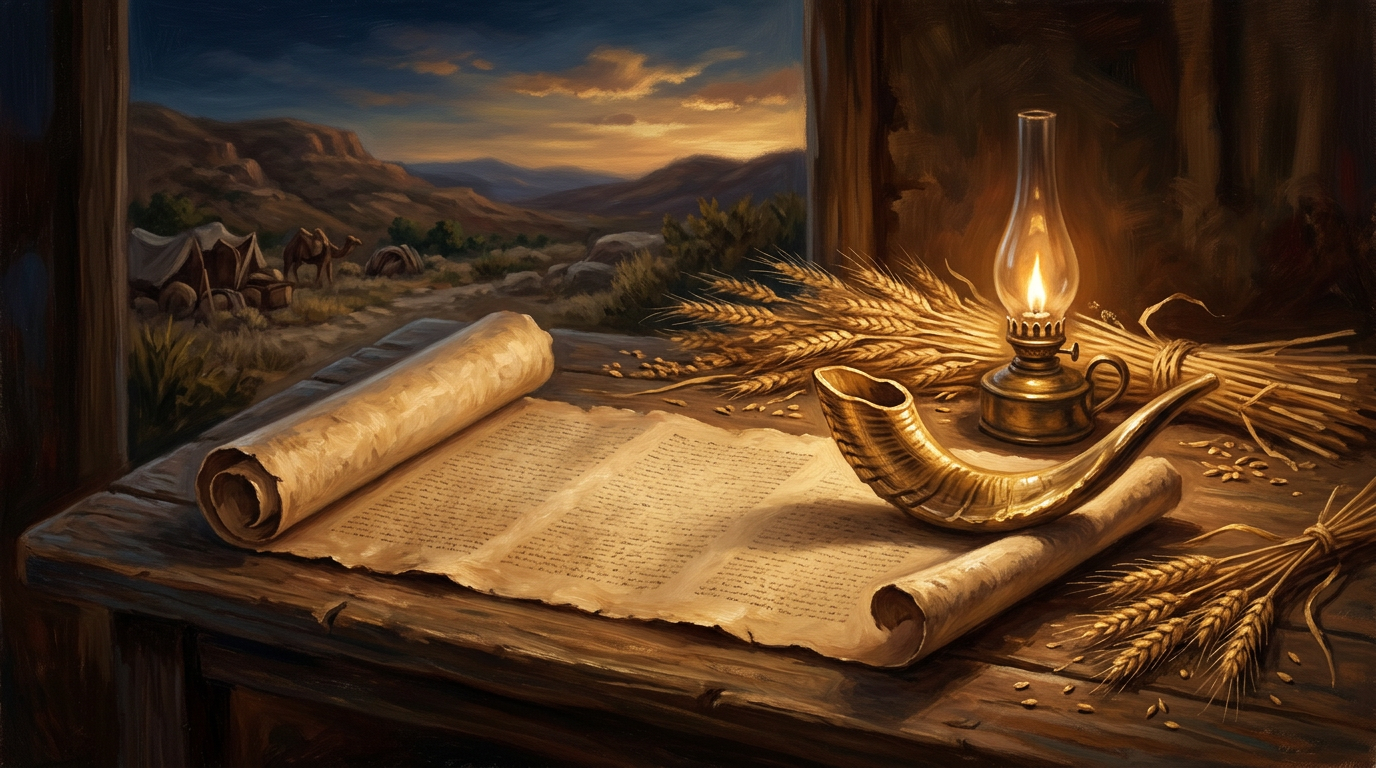
Deuteronomy stands as a bridge between the wandering years in the wilderness and the long-awaited entry into the Promised Land. This profound book gathers the final discourses of Moses, delivered with the urgency of a leader who knows his time on earth is drawing to a close. As you engage with our Deuteronomy puzzle, you are invited to slow down and consider the weight of these ancient words. This page exists to help students of the Word and casual readers alike memorize the key landmarks of this scriptural territory. By searching for these terms, you internalize the geography, the laws, and the spirit of a people being prepared to build a nation under divine guidance. It is more than just a game; it is a creative way to fellowship with the text.
The Context of the Second Law
The name Deuteronomy translates to 'Second Law,' but it is not a new set of rules; rather, it is a powerful repetition and expansion of the covenant given at Sinai. Traditionally attributed to Moses, these speeches were delivered roughly forty years after the Exodus, primarily on the plains of Moab around 1406 B.C. The book occupies the fifth and final position in the Torah or Pentateuch, serving as a theological heartbeat for the rest of the Old Testament. Its literary style is oratorical and deeply personal, moving from historical retrospection in the early chapters to legal stipulations and, finally, to the prophetic blessings and curses regarding Israel's future. It documents the transition of leadership from Moses to Joshua and provides the moral framework that would define the kingdom of Israel for centuries to come. For the modern reader, it offers a glimpse into the transition from a nomadic life to a settled society rooted in specific spiritual principles.
Major Themes and Ancient Narratives
Central to Deuteronomy is the 'Shema' found in chapter 6, a foundational declaration of monotheism that calls for total devotion. The book emphasizes the choice between life and death, obedience and rebellion, most famously articulated in the blessings and curses of Mount Gerizim and Mount Ebal in chapters 27 and 28. Unlike the procedural focus of Leviticus, Deuteronomy emphasizes the 'heart' behind the law, urging the people to love God with all their soul and strength. Significant stories include Moses viewing the Promised Land from the heights of Mount Nebo in chapter 34, a poignant moment of both fulfillment and personal loss. The text also outlines the unique 'Cities of Refuge' in chapter 19, demonstrating a sophisticated system of justice and mercy. Furthermore, the book establishes the guidelines for future kings and prophets, ensuring that the leadership would remain accountable to the divine word rather than personal whim.
Questions People Ask About Deuteronomy
What is the main message of the book of Deuteronomy?
The main message is a call to total loyalty and love toward God as the foundation for a successful society. It emphasizes that the covenant between God and Israel is not merely a legal contract but a heart-level relationship. Through the repetition of the law, Moses urges the new generation to remember their history, obey the commandments for their own well-being, and choose the path of life so they may thrive in the land they are about to possess.
Who wrote Deuteronomy and did Moses die in the book?
Traditional biblical scholarship attributes the vast majority of the book to Moses. However, the final chapter (Deuteronomy 34) records the death and burial of Moses on Mount Nebo at age 120. Because Moses could not have written his own obituary, most scholars believe this concluding section was added by a contemporary, such as his successor Joshua, to complete the narrative of the Pentateuch and honor the great leader's legacy.
Why is Deuteronomy called the Second Law?
The title comes from the Greek word 'Deuteronomion,' appearing in the Septuagint. It reflects the book's purpose: to restate the law for a new generation. The original generation that stood at Sinai had passed away in the wilderness. Before entering Canaan, their children needed to hear the covenant reaffirmed and explained in the context of their new sedentary life as farmers and city-dwellers, rather than nomads.
Which New Testament book quotes Deuteronomy the most?
Deuteronomy is one of the most cited Old Testament books in the New Testament. Jesus famously quoted from it three times during His temptation in the wilderness (Matthew 4), using verses from chapters 8 and 6 to rebuff the devil. The Gospel of Matthew and the Book of Romans also draw heavily from its theological themes to explain the nature of faith, the law, and the love of God.
What are the blessings and curses in Deuteronomy 28?
Deuteronomy 28 outlines the consequences of the covenant. The first 14 verses list blessings for obedience, such as agricultural abundance, victory over enemies, and national prosperity. The remainder of the chapter details 'curses'—the natural and divine consequences of turning away from God—including famine, disease, and eventually exile. This chapter serves as a stark reminder that the people's survival in the land was tied to their spiritual faithfulness.
Words to Look For in This Puzzle
A curated list of names, places, and themes from Deuteronomy.
Verses to Reflect On
“And thou shalt love the LORD thy God with all thine heart, and with all thy soul, and with all thy might.”
“Be strong and of a good courage, fear not, nor be afraid of them: for the LORD thy God, he it is that doth go with thee; he will not fail thee, nor forsake thee.”
“And there arose not a prophet since in Israel like unto Moses, whom the LORD knew face to face.”
As you finish your word search, we hope the themes of Deuteronomy resonate within your own spiritual journey. This book serves as a timeless reminder that our history with God informs our future, and that 'man doth not live by bread only, but by every word that proceedeth out of the mouth of the Lord.' Whether you are studying the transition of leadership or the depth of the ancient law, may these puzzles sharpen your mind and soften your heart. Return often to the words of Moses, for they contain the wisdom of a lifetime spent in the presence of the Almighty. Enjoy the challenge and the reflection naturally found in the book of Deuteronomy.
Frequently Asked Questions
Is this Deuteronomy word search free for church groups?
Yes, our puzzles are designed for families, Sunday school classes, and personal study. You are welcome to use the online version or print it for your local ministry activities at no cost.
Can I print this puzzle for my children to do at home?
Absolutely! Printing the Deuteronomy puzzle is a wonderful way to help children recognize biblical names and places while keeping them engaged with the themes of the Pentateuch in a screen-free environment.
What age group is this Bible puzzle intended for?
The puzzle is suitable for all ages. While younger children will enjoy finding the letters, adults will appreciate the deeper context provided in the word meanings and the theological richness of the book.
Where can I read the full text of Deuteronomy online?
You can find the King James Version of Deuteronomy on numerous public domain sites such as BibleGateway, Blue Letter Bible, or Project Gutenberg for a complete and accurate reading experience.
More Bible puzzles
Puzzle powered by WordSearch.Life