Amos Word Search
Discover the prophetic power of the Book of Amos while enjoying our Bible Word Search. Learn about justice, mercy, and ancient history in this rich study guide.
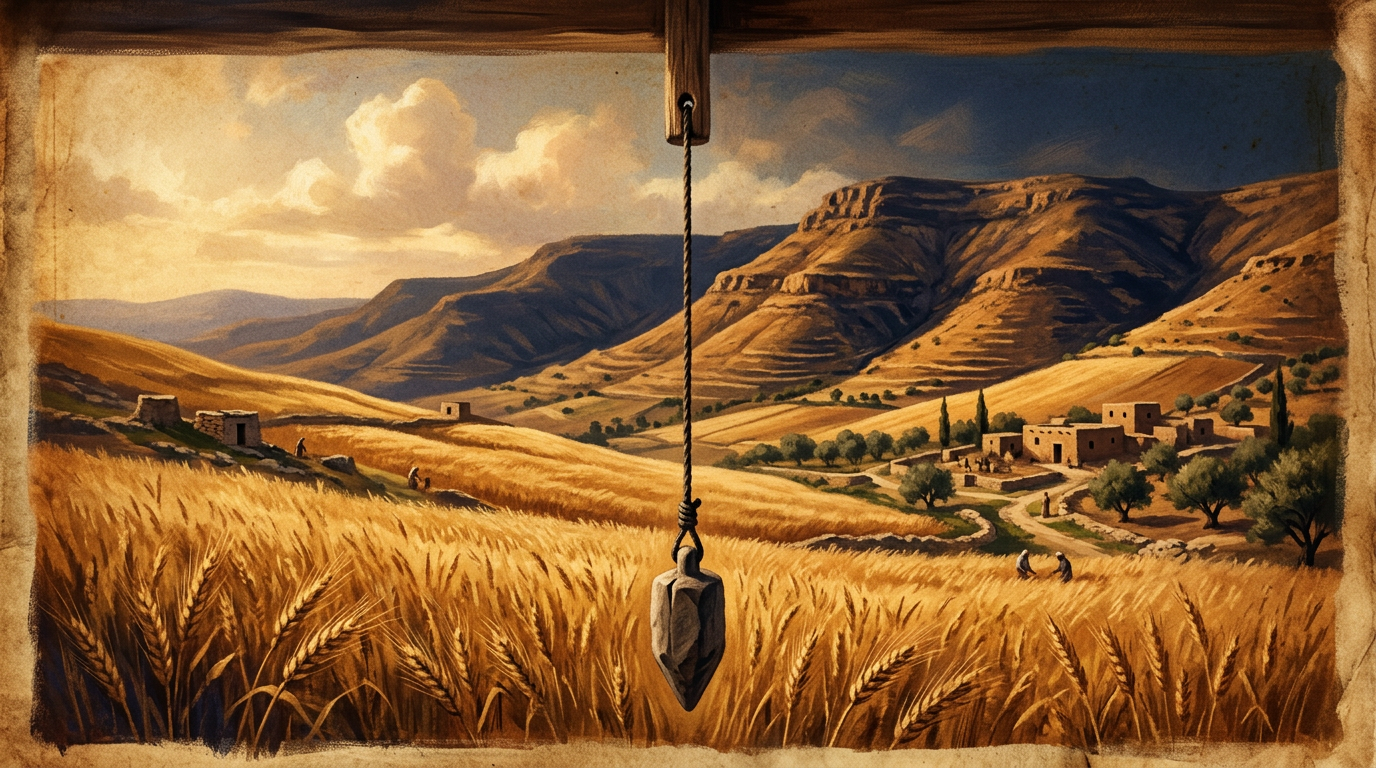
The words of Amos offer a striking perspective on the intersection of faith and daily integrity, providing a voice that still resonates with clarity today. As you prepare to engage with our Amos Bible word search, you are not simply looking for hidden letters; you are tracing the footsteps of a humble herdsman from Tekoa. Amos was called from the quietude of the pastures to deliver a potent message of justice to the Northern Kingdom of Israel during a season of great material prosperity and spiritual neglect. This puzzle serves as a gateway to his ancient world, helping you internalize the geography, symbols, and sharp metaphors used by one of the Bible’s most courageous minor prophets. We invite you to slow down, reflect on each term, and allow the shepherd’s wisdom to deepen your understanding of God's heart.
Understanding the Prophet from Tekoa
The Book of Amos holds a unique position among the Twelve Minor Prophets as the earliest of the writing prophets whose oracles were preserved in a dedicated scroll. Writing approximately between 760 and 750 BC, Amos served during the overlapping reigns of King Uzziah of Judah and King Jeroboam II of Israel. Unlike many other prophets who were trained in the 'schools of the prophets,' Amos was a layman—a sheep breeder and a tender of sycamore-fig trees. His background as a rural laborer heavily influences his literary style, which is characterized by vivid agricultural imagery, direct language, and a rugged, rhythmic quality. Geographically, though he was a southerner from the small village of Tekoa in Judah, his mission was primarily directed north to the royal sanctuary at Bethel. He arrived at a time when Israel had reached a pinnacle of military and economic success, yet this outward wealth masked an internal decay of systemic injustice and hollow religious ritualism. His work is essential for understanding the transition from oral prophecy to the rich tradition of written prophetic literature in the Hebrew canon.
Justice, Judgment, and Divine Visions
Central to the message of Amos is the concept of social justice as an inseparable component of true worship. He famously confronts those who 'trample the head of the poor' while maintaining elaborate religious festivals. In Amos 5, he delivers the soaring call for righteousness to flow like a mighty stream, rejecting a religion that ignores the suffering of the needy. The book is structured around series of oracles and visions. It begins with a 'roar' from Zion, announcing judgments upon Israel's neighbors before turning the focus inward on Israel itself. A defining section of the book (Chapters 7 through 9) records five symbolic visions: the devouring locusts, the consuming fire, the builder's plumb line, the basket of summer fruit, and the Lord standing by the altar. These visions illustrate the certainty of divine judgment upon a nation that has strayed from its covenantal plumb line. However, the book does not end in despair; the final chapter provides a beautiful Messianic hope, promising the restoration of the tabernacle of David and a future where the plowman shall overtake the reaper, signifying an era of unprecedented abundance and spiritual healing.
Questions People Ask About Amos
What was the occupation of Amos in the Bible?
Amos was not a professional prophet by training but was a herdsman and a gatherer of sycamore fruit. According to Amos 7:14, he explicitly told the priest Amaziah that he was 'no prophet, neither was I a prophet's son,' but the Lord took him as he followed the flock and commanded him to prophesy unto Israel. This background gave him a unique, grounded perspective on the economic struggles of the common people.
What does the plumb line represent in Amos 7?
In Amos 7:7-8, the Lord is seen standing upon a wall made by a plumb line, holding a plumb line in His hand. This tool, used by builders to ensure a wall is perfectly vertical, represents God's standard of righteousness. Just as a crooked wall must be torn down, the vision signified that Israel had failed to meet God's moral requirements and was ripe for judgment.
Who was the king of Israel during the time of Amos?
Amos prophesied during the reign of Jeroboam II, the son of Joash. This was a period of significant territorial expansion and economic boom for the Northern Kingdom. However, Amos identifies this era as one of gross inequality where the wealthy lived in 'houses of ivory' while the righteous were sold for a pair of shoes, as noted in Amos 2:6.
Why did Amos go to Bethel?
Amos went to Bethel because it was the site of one of the two official state sanctuaries and royal residences in the Northern Kingdom. It was there that he encountered the opposition of Amaziah, the priest of Bethel, who accused Amos of conspiracy against King Jeroboam. Amos used this platform to deliver his most direct warnings against the corruption of the nation's religious and political leadership.
What is the meaning of the basket of summer fruit vision?
In Amos 8:1-2, the prophet sees a basket of summer fruit (qayits). This is a wordplay in Hebrew on the word for 'end' (qets). Just as summer fruit is ripe and must be eaten or it will rot, the vision indicated that the time of God's patience had reached its conclusion and the end had come upon the people of Israel.
Words to Look For in This Puzzle
A curated list of names, places, and themes from Amos.
Verses to Reflect On
“But let judgment run down as waters, and righteousness as a mighty stream.”
“Can two walk together, except they be agreed?”
“Therefore thus will I do unto thee, O Israel: and because I will do this unto thee, prepare to meet thy God, O Israel.”
As you search for these keywords and reflect on the life of this shepherd-prophet, remember that the Book of Amos is more than a historical record; it is a timeless call to live authentically. Amos reminds us that our spiritual lives cannot be separated from how we treat our neighbors and care for the vulnerable. By completing this word search, you are engaging with the very vocabulary of biblical justice. Whether you are a student of scripture or a lover of puzzles, may the themes of Amos inspire you to seek the good and walk in agreement with the Creator. We hope this activity brings the ancient text to life in a fresh and meaningful way.
Frequently Asked Questions
Is this Amos word search puzzle free for church groups?
Yes! Our puzzles are designed to be a free resource for individuals, Sunday School classes, and church groups to help make Bible study engaging and accessible for everyone.
Can I print the Amos puzzle for home use?
Absolutely. You can print this puzzle directly from your browser to enjoy a screen-free experience or to share it with family members during a quiet afternoon of reflection.
What age group is the Book of Amos puzzle best for?
While the themes of Amos are deep, the word search is suitable for ages 8 and up. It is a wonderful way for children and adults alike to become familiar with key biblical names and concepts.
Where can I read the full Book of Amos online?
You can find the Book of Amos in the Old Testament section of any major online Bible platform or follow along in your personal King James Version Bible to see these words in their full context.
More Bible puzzles

Puzzle powered by WordSearch.Life