James Word Search
Explore the practical wisdom of the Book of James with our Bible word search. Dive into themes of faith, works, and trials in this deep scriptural study.
Deep within the New Testament lies a letter that bridges the gap between ancient law and living faith with startling clarity. The Book of James serves as a manual for the soul, challenging every believer to examine the authenticity of their walk with Christ. As you prepare to engage with our themed word search, consider how this brief but potent epistle addresses the daily struggles of the tongue, the heart, and the hands. James does not settle for a stagnant belief; he calls for a dynamic, breathing devotion that manifests in how we treat the poor and how we endure under pressure. This puzzle serves as a quiet space to meditative on these timeless truths while searching for the vocabulary of a transformed life.
The Practical Wisdom of James
The Epistle of James is widely regarded as one of the most practical books in the New Testament canon. Traditionally attributed to James the Just, the brother of Jesus and a central leader in the early Jerusalem church, the letter was likely written between AD 45 and 62. Addressed to the 'twelve tribes which are scattered abroad,' it speaks directly to Jewish Christians facing trials and social injustice throughout the Roman Empire. Unlike the complex theological treatises found in the Pauline epistles, James adopts a style reminiscent of Jewish Wisdom literature, such as Proverbs. It is concise, punchy, and filled with vivid metaphors from nature—comparing the wavering mind to a wave of the sea and the tongue to a small rudder. Its placement in the General Epistles underscores its universal message: that the grace we receive through faith must necessarily result in a life of visible, tangible holiness and charity toward others.
Endurance, Speech, and Active Faith
The Book of James is famous for its unwavering stance on the relationship between belief and behavior. In Chapter 2, James presents the provocative argument that 'faith without works is dead,' using the historical examples of Abraham and Rahab to show that true trust in God involves obedience. Another dominant theme is the ethics of speech; Chapter 3 describes the tongue as a fire that can defile the whole body, warning teachers and laypeople alike to guard their words. The book also provides profound pastoral guidance on suffering and prayer. In Chapter 5, James encourages the sick to call for the elders of the church for anointing and prayer, citing the prophet Elias as an example of how the 'effectual fervent prayer of a righteous man availeth much.' Throughout the five chapters, there is a consistent emphasis on avoiding partiality toward the wealthy and remaining 'unspotted from the world,' ensuring that our religion is pure and undefiled before the Father.
Questions People Ask About James
Who wrote the Book of James in the Bible?
The author is traditionally identified as James, the brother of Jesus, who became a pillar of the early church in Jerusalem. Though he was not one of the original twelve apostles during Jesus' earthly ministry, he became a prominent leader and is mentioned in the Book of Acts and Galatians. He identifies himself simply as a 'servant of God and of the Lord Jesus Christ,' writing with authority to the dispersed Jewish believers to encourage them in their trials and maturing faith.
What does James 2:17 mean by faith without works is dead?
James 2:17 explains that a profession of faith that does not produce a change in action is essentially lifeless. James argues that genuine, saving faith will naturally result in good deeds and a transformed character. He uses the analogy of telling a hungry person to be filled without giving them food; just as the words don't help the body, a faith that doesn't move the hands doesn't reflect a living relationship with God. It is an outward proof of an inward reality.
What are the main themes of the Book of James?
The central themes include the necessity of joy during trials, the danger of an uncontrolled tongue, the importance of caring for orphans and widows, and the warning against spiritual pride or worldliness. James emphasizes that true wisdom comes from above and is peaceable and gentle. He also focuses on the power of prayer and the need for patience while waiting for the coming of the Lord, urging believers to be 'doers of the word, and not hearers only.'
Why does James call the tongue a fire?
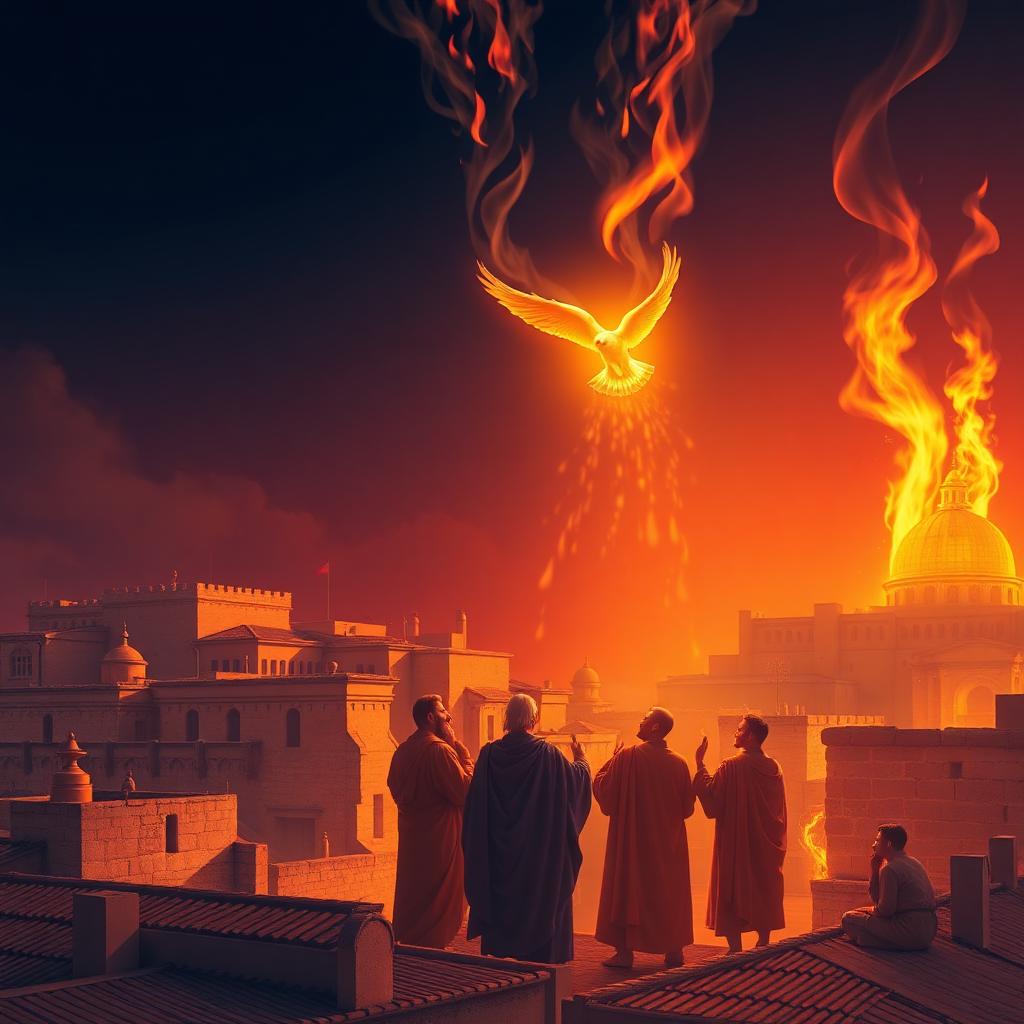
In James 3, the author uses the metaphor of fire to describe the tongue's potential for destruction. Just as a small spark can set a whole forest ablaze, a few careless or malicious words can ruin reputations and cause immense relational damage. James highlights the inconsistency of using the same mouth to bless God and curse men, urging believers to seek divine wisdom to tame their speech so that it produces life rather than discord.
Is the Book of James part of the Old or New Testament?
The Book of James is located in the New Testament. It is the first of the 'General Epistles' (or Catholic Epistles), a group of letters named after their authors rather than the churches to which they were sent. While it contains many echoes of Old Testament law and the Sermon on the Mount, it is a foundational Christian text focused on how the followers of Jesus should live out their new identity in the world.
Words to Look For in This Puzzle
A curated list of names, places, and themes from James.
Verses to Reflect On
“If any of you lack wisdom, let him ask of God, that giveth to all men liberally, and upbraideth not; and it shall be given him.”
“But be ye doers of the word, and not hearers only, deceiving your own selves.”
“Submit yourselves therefore to God. Resist the devil, and he will flee from you.”
Engaging with the Book of James is a refreshing exercise in spiritual inventory. As you search for these key terms in our puzzle, may the words remind you of the call to live a life of integrity, where your speech reflects your heart and your actions reflect your Lord. James offers a clear mirror for our souls, showing us both where we fall short and how much grace is available to those who walk in humility. We hope this word search serves as a delightful and thoughtful companion to your study of this vital epistle. Take a moment to rest in these truths as you complete the grid, and may the wisdom of James inspire your week.
Frequently Asked Questions
Is this Book of James word search free to download?
Yes, all our Bible-themed puzzles, including the one for the Book of James, are completely free to access and print for personal, family, or Sunday school use.
What age group is the James puzzle designed for?
This puzzle is perfect for ages 8 to adult. The vocabulary is taken directly from the text of James, making it an excellent educational tool for students and a relaxing activity for adults.
Can I print multiple copies of the James puzzle for my church group?
Absolutely! We encourage teachers and ministry leaders to print as many copies as needed to help their students engage with the key concepts of the Book of James.
Which Bible version are the puzzle words based on?
The words and themes are primarily drawn from the King James Version (KJV) to maintain historical consistency and linguistic beauty, though the concepts are universal across all translations of James.
More Bible puzzles


Puzzle powered by WordSearch.Life