Old Testament Word Search
Explore the foundations of faith with our daily Old Testament puzzle. Discover the rich history of the patriarchs, prophets, and law in this deep dive.
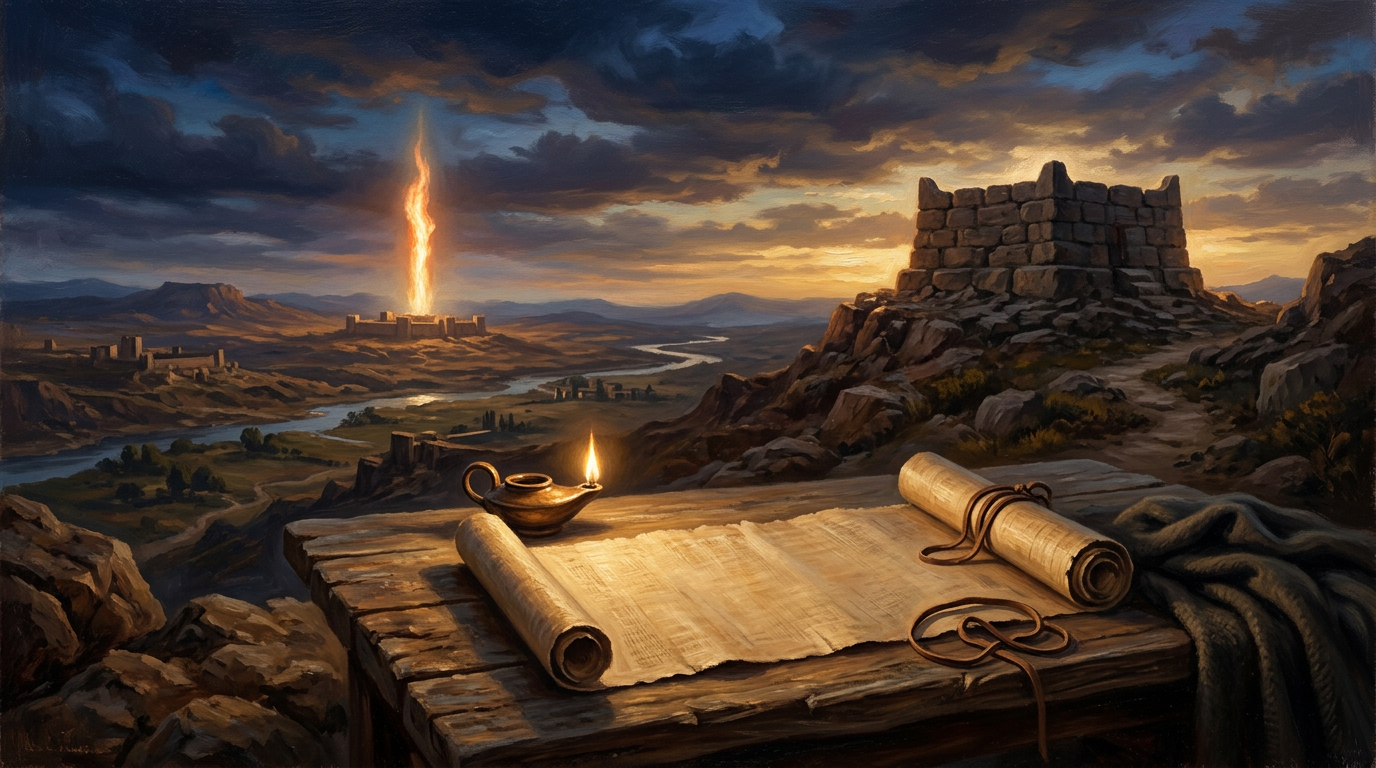
The Old Testament serves as the majestic foundation of the biblical narrative, spanning thousands of years of human history and divine interaction. From the breathtaking moment of creation to the silent years preceding the arrival of the Messiah, these thirty-nine books chronicle the covenant relationship between God and His people. This daily puzzle edition offers a unique opportunity to slow down and meditate on the names, places, and sacred objects that shaped the ancient world. As you scan the grid for today's hidden words, you are doing more than just playing a game; you are engaging with the profound heritage of the patriarchs and prophets. Let the search for these terms draw your heart closer to the timeless truths recorded in the Hebrew scriptures and the enduring legacy of the Old Covenant.
Understanding the Old Testament Canon
The Old Testament, or the Hebrew Bible, is a diverse collection of literature composed between approximately 1400 B.C. and 400 B.C. It is structured into several distinct sections: the Pentateuch (Books of the Law), the Historical Books, the Poetic Books, and both Major and Minor Prophets. Traditionally, Moses is credited with the first five books, while later kings like David and Solomon, and prophets like Isaiah and Jeremiah, contributed to the vast library of wisdom and prophecy. Historically, much of the setting is the Ancient Near East, centering on the Promised Land but stretching from the gardens of Mesopotamia to the palaces of Egypt and the rivers of Babylon. Written primarily in Hebrew with small portions in Aramaic, these texts were meticulously preserved by scribes over centuries. They provide not only the legal framework for Israelite life through the Mosaic Law but also the genealogical records and messianic expectations that bridge the gap between human failure and divine redemption. This collection remains the bedrock of Judeo-Christian ethics and theological understanding, offering a window into the character of a Creator who seeks a holy people for His own possession.
Theological Pillars and Historical Milestones
Central to the Old Testament is the concept of the Covenant—a formal, binding agreement between God and humanity. We see this unfold through specific milestones: the promise to Noah after the flood in Genesis 9, the call of Abraham to be the father of many nations in Genesis 12, and the delivery of the Ten Commandments at Mount Sinai in Exodus 20. Another dominant theme is the tension between law and grace. While the Levitical system established rigorous sacrificial requirements for atonement, the Poetic books like the Psalms express a deep, personal yearning for God's mercy. The narrative is also defined by the Tabernacle and later the Temple in Jerusalem, serving as the physical dwelling place for the divine presence among men. Characters like Joseph, who rose from slavery to save his family, and Esther, who risked her life for her people, demonstrate the theme of Providence. Furthermore, the Major Prophets like Isaiah provide vivid descriptions of a future 'Suffering Servant' and a 'Prince of Peace,' weaving a thread of hope through the darkest times of exile and judgment. Every story and law points toward the ultimate fulfillment of God's plan for restoration.
Questions People Ask About Old Testament
What is the primary message of the Old Testament?
The primary message of the Old Testament is God's unfolding plan to redeem humanity through a specific covenant relationship with the nation of Israel. It emphasizes God's holiness, the gravity of sin, and the necessity of faith. Through the Law, the prophets, and historical narratives, it demonstrates that God is a promise-keeper who prepares the way for the ultimate salvation of the world, highlighting His sovereignty over all nations and His desire for a righteous people.
How many books are in the Old Testament?
The Protestant Old Testament contains 39 books, beginning with Genesis and ending with Malachi. These are categorized into the Law (5 books), History (12 books), Poetry and Wisdom (5 books), and Prophecy (17 books). This structure helps readers navigate the diverse literary styles, from the legal codes of Leviticus to the lyrical songs of the Psalms and the visionary warnings of Daniel.
Who wrote the first five books of the Bible?
Biblical tradition and internal evidence attribute the first five books, known as the Pentateuch or Torah, to Moses. These books—Genesis, Exodus, Leviticus, Numbers, and Deuteronomy—detail the origins of the world, the lives of the patriarchs, the exodus from Egypt, and the receiving of the Law at Mount Sinai. Moses is described as recording these events and laws at God's command to guide the Israelites.
What are the three main parts of the Hebrew Bible?
In the Jewish tradition, the Old Testament is known as the Tanakh, which is an acronym for its three main divisions: the Torah (Law), the Nevi'im (Prophets), and the Ketuvim (Writings). The Torah covers the foundations of the faith, the Nevi'im includes historical narratives and prophetic oracles, and the Ketuvim contains wisdom literature, poetry, and later historical accounts like Ezra and Nehemiah.
Why is the Old Testament important for Christians today?
The Old Testament is essential for Christians because it provides the historical and theological context for the life and ministry of Jesus. It contains the prophecies he fulfilled and establishes the moral foundations of the faith. As Romans 15:4 states, 'For whatsoever things were written aforetime were written for our learning,' indicating that these ancient scriptures are meant to provide comfort and hope.
Words to Look For in This Puzzle
A curated list of names, places, and themes from Old Testament.
Verses to Reflect On
“In the beginning God created the heaven and the earth.”
“The LORD bless thee, and keep thee:”
“Trust in the LORD with all thine heart; and lean not unto thine own understanding.”
Engaging with the Old Testament through this puzzle is a wonderful way to keep these ancient stories fresh in your mind. Each word you find represents a piece of a larger puzzle—the story of God’s persistent love and the preparation for a brighter future. We hope this daily edition serves as a quiet moment of reflection in your busy day, allowing the names of the faithful and the places of old to inspire your own spiritual walk. May you find joy in the search and peace in the scriptures. Return tomorrow for a new challenge and a new opportunity to explore the depths of the Old Testament world.
Frequently Asked Questions
Is this Old Testament puzzle free to play?
Yes, our daily Bible word search puzzles are completely free for all visitors. We believe in providing accessible ways for families to engage with the Old Testament and other biblical themes through fun, educational activities that can be enjoyed daily without any cost.
Can I print the Old Testament word search for my Sunday school class?
Absolutely! Our puzzles are designed to be printer-friendly, making them an excellent resource for Sunday school lessons, small groups, or family devotions. Simply use your browser's print function to create a online session of today's Old Testament challenge for your students.
What age group is this puzzle suitable for?
The Old Testament puzzle is suitable for all ages, from children who are learning the names of the books of the Bible to adults who enjoy a daily mental workout. It is a engaging for all ages activity that encourages scripture familiarity in a clean, AdSense-safe environment.
Where can I read the full text of the Old Testament online?
You can read the entire Old Testament in the King James Version for free on various reputable websites like BibleGateway or Blue Letter Bible. These resources allow you to search for specific verses, study the historical context, and deepen your understanding of the words found in our puzzles.
More Bible puzzles
Puzzle powered by WordSearch.Life