Parables Word Search
Explore the profound meanings of Jesus' stories with our daily Parables Bible word search. Discover hidden truths from the Good Samaritan to the Prodigal Son.

Seeking truth through the medium of storytelling has been a cornerstone of faith for centuries, and today’s edition of our puzzle collection invites you to delve into the Parables of Jesus. These earthly stories with heavenly meanings were designed to challenge the proud and comfort the humble. As you navigate the grid of letters today, you are doing more than simply finding words; you are retracing the footsteps of the Great Physician as He taught by the shores of Galilee. The Parables offer a unique window into the heart of God’s Kingdom, using familiar symbols like seeds, coins, and sheep to illustrate profound spiritual realities. We have carefully curated this daily selection to help you meditate on these timeless narratives while enjoying a moment of peaceful reflection and mental clarity.
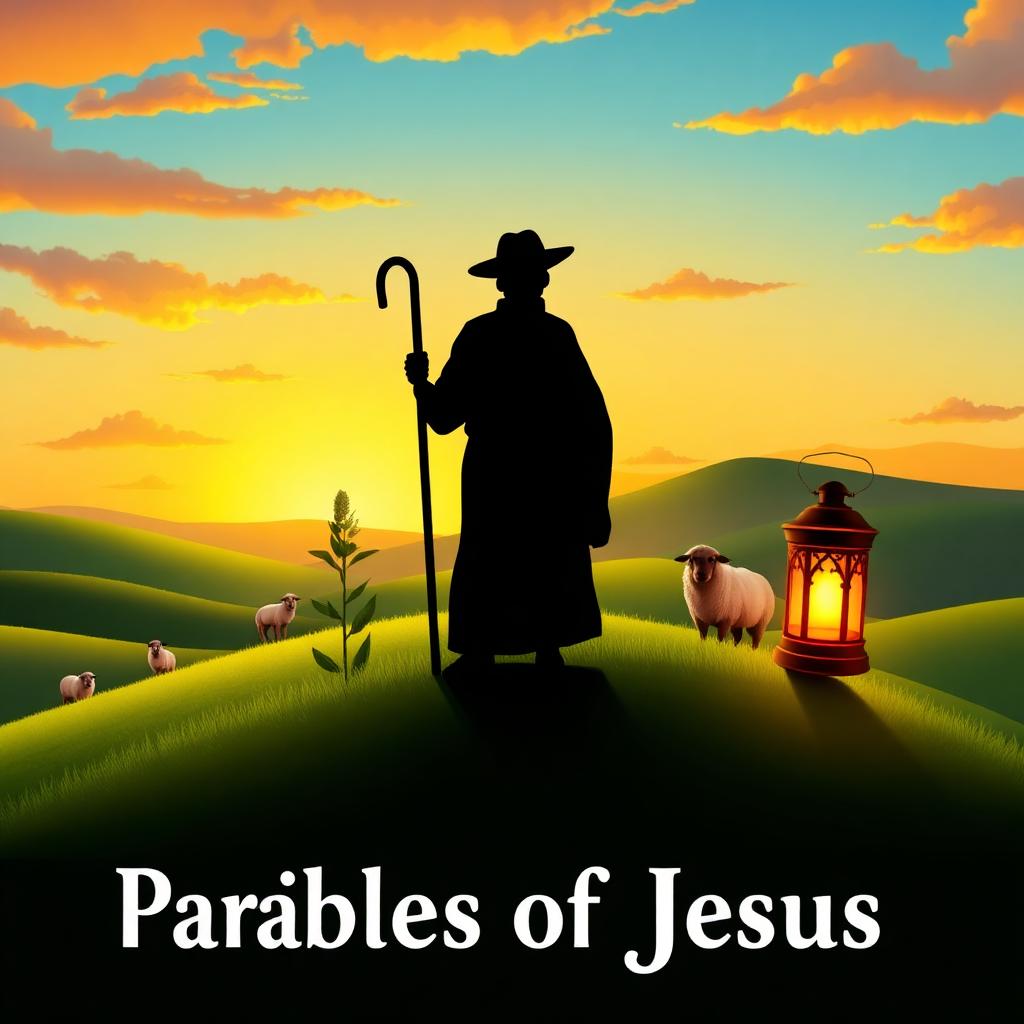
The Literary Art of the Parables
The Parables are predominantly found within the Synoptic Gospels—Matthew, Mark, and Luke—recorded during the first century. While the term 'parable' comes from the Greek word 'parabolē,' meaning a comparison or placing things side-by-side, the tradition is deeply rooted in the Hebrew 'mashal.' This literary form was a hallmark of Jewish rabbinic teaching, yet Jesus transformed the genre with His unique authority and vivid imagery. Scholars generally agree that these stories were delivered during Jesus’ three-year public ministry in Roman-occupied Judea and Galilee, likely between 27 and 33 AD. Unlike fables, which often use talking animals to teach moral lessons, the Parables utilize realistic human situations—a farmer sowing his fields, a woman sweeping her house, or a father welcoming a wayward son. They serve as a primary vehicle for Christ’s teaching on the Kingdom of Heaven, often beginning with the phrase 'The kingdom of heaven is like...' This intentional mystery was meant to provoke thought, requiring the listener to possess 'ears to hear' to grasp the deeper theological implications hidden beneath the surface of the narrative.
Kingdom Truths and Divine Mercy
Central to the Parables is the 'Upside-Down Kingdom,' where the last are first and the lost are found. The Parable of the Prodigal Son in Luke 15 provides a definitive look at God’s restorative grace, contrasting the father’s compassion with the elder brother’s resentment. In Matthew 13, the Parable of the Sower explains the varied responses to the Gospel message, identifying the heart as the soil where the Word must take root. Judgment and accountability are also prominent themes, as seen in the Parable of the Ten Virgins or the Sheep and the Goats in Matthew 25, which emphasize the necessity of spiritual readiness and active charity. Furthermore, the Parables often highlight the immense value of God’s grace, portrayed as a 'Pearl of Great Price' or 'Treasure Hid in a Field,' for which one would joyfully give up all they possess. These stories do not merely offer moral advice; they demand a decision from the listener, revealing the nature of God’s mercy toward sinners while warning against the dangers of hypocrisy and spiritual apathy. Every character, from the Good Samaritan to the Unjust Steward, serves as a mirror reflecting the human condition and the invitation to divine transformation.
Questions People Ask About Parables
Why did Jesus speak in parables?
According to Matthew 13:10-13, Jesus spoke in parables to both reveal and conceal. To those with a sincere desire to follow Him, the parables revealed the 'mysteries of the kingdom of heaven.' However, for those with hardened hearts or ulterior motives, the stories remained cryptic. This method fulfilled the prophecy of Isaiah, ensuring that those who truly sought God would find understanding, while those who were spiritually indifferent would hear the words without grasping their life-changing significance.
Which Gospel has the most parables?
The Gospel of Luke contains the highest number of parables, many of which are unique to its narrative. Luke includes famous stories such as the Good Samaritan, the Prodigal Son, and the Pharisee and the Publican. While Matthew also features a significant collection, particularly focusing on the Kingdom of Heaven, Luke’s selection often emphasizes Jesus’ compassion for the outcasts, the poor, and the repentant sinner, aligning with the Gospel's overall theme of universal salvation.
What is the meaning of the Parable of the Mustard Seed?
The Parable of the Mustard Seed, found in Matthew 13:31-32, illustrates the miraculous growth of the Kingdom of God. Though the kingdom began with a small, seemingly insignificant group of followers—much like the tiny mustard seed—it was destined to grow into a massive, global presence. The imagery of birds nesting in its branches suggests that the Kingdom provides a place of refuge and dwelling for people of all nations, showing that divine work often starts small before achieving greatness.
Is the story of the Rich Man and Lazarus a parable?
Bible scholars are divided on whether the story of the Rich Man and Lazarus in Luke 16:19-31 is a parable or a literal account. Unlike most parables, it uses a specific proper name (Lazarus). However, it functions like a parable by using a narrative to teach a spiritual truth—in this case, the reality of the afterlife and the importance of listening to God's Word while on earth. Whether a literal event or a parable, its theological weight remains unchanged.
What was the first parable Jesus told?
While the chronological order can be debated due to the different arrangements in the Gospels, many scholars point to the Parable of the Sower (Matthew 13, Mark 4, Luke 8) as a foundational starting point. It establishes the framework for how all other parables should be understood, focusing on the reception of God's Word. Another early teaching is the parable of the New Wine in Old Wineskins, which addressed the transition from old traditions to the new covenant.
Words to Look For in This Puzzle
A curated list of names, places, and themes from Parables.
Verses to Reflect On
“Again, the kingdom of heaven is like unto treasure hid in a field; the which when a man hath found, he hideth, and for joy thereof goeth and selleth all that he hath, and buyeth that field.”
“I say unto you, that likewise joy shall be in heaven over one sinner that repenteth, more than over ninety and nine just persons, which need no repentance.”
“And the King shall answer and say unto them, Verily I say unto you, Inasmuch as ye have done it unto one of the least of these my brethren, ye have done it unto me.”
As you finish today’s word search, take a moment to consider which of these Parables speaks most deeply to your current season of life. Perhaps you are like the sower, planting seeds of kindness in difficult soil, or maybe you are the traveler finding rest and help in an unexpected place. These stories were never meant to be read just once; they are living wells of wisdom that offer new insights every time we return to them. We hope this puzzle has brought a sense of peace to your day and a renewed interest in the teachings of Jesus. Carry the light of these stories with you, and join us again tomorrow for another journey through the Word. May the message of the Parables take deep root in your heart today.
Frequently Asked Questions
Is this Parables word search free to play?
Yes, our daily Bible word search puzzles are completely free for all users. We believe in providing accessible, high-quality scriptural engagement for families and individuals looking to grow in their faith while enjoying a relaxing mental challenge themed around the Parables.
Can I print the Parables puzzle for my Sunday School class?
Absolutely. You can print our Parables puzzles for personal use, small groups, or church classrooms. They serve as excellent supplemental material for lessons on the teachings of Jesus, helping students of all ages memorize key terms and characters from the Gospels.
What age group is this puzzle designed for?
Our puzzles are designed to be engaging for all ages and accessible. While the vocabulary is drawn directly from the text of the Parables, the difficulty level is suitable for older children, teens, and adults. It provides a great way for families to study the Bible together.
Where can I read the full text of these Parables online?
You can find all the Parables mentioned in our puzzles by visiting any reputable online Bible site and searching the Gospels of Matthew, Mark, and Luke. We recommend reading them in the King James Version to match the traditional language used in our puzzle word lists.
More Bible puzzles
Puzzle powered by WordSearch.Life