Habakkuk Word Search
Explore the profound dialogues of Habakkuk through this Bible Word Search. Discover how the prophet moved from questioning to triumph in his faith.
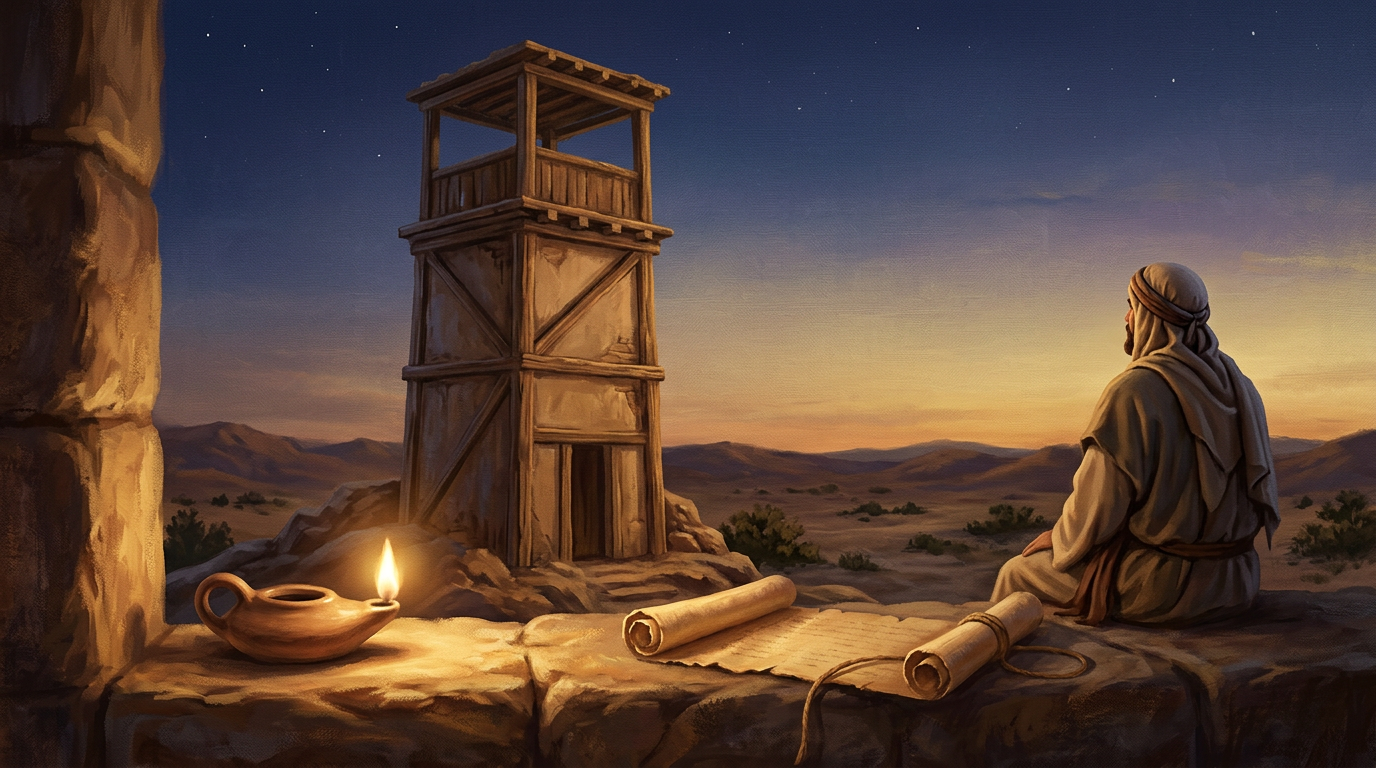
Finding peace in times of uncertainty is a timeless struggle, and few biblical figures capture this journey as poignantly as the prophet Habakkuk. Rather than delivering a message solely to the people, this unique book records a raw and honest conversation between a questioning man and his Creator. As you dive into our Bible word search, you will encounter the vocabulary of a soul moving from deep distress to unshakable joy. We created this puzzle to help you slow down and meditate on the powerful imagery of the watchtower and the song of praise that concludes this short but mighty work. Whether you are a long-time student of the Minor Prophets or new to the text, these hidden words offer a gateway into the heart of a man who learned to trust God even when the world felt chaotic.
Understanding the Prophecy of Habakkuk
The Book of Habakkuk occupies a unique place among the twelve Minor Prophets in the Old Testament. Unlike his contemporaries who primarily preached to the Israelites, Habakkuk functions as a representative of the people, bringing his complaints and questions directly to God. Historically, the book is situated in the late seventh century B.C., likely around 605 B.C., during the rise of the Neo-Babylonian Empire. As the Assyrian power waned and the Chaldeans emerged as a fierce global force, Habakkuk looked upon the violence and injustice in Judah with a heavy heart. The book is structured as a three-part dialogue: two cycles of complaint and divine response, followed by a magnificent liturgical prayer. Its literary style is highly sophisticated, blending prophetic oracles with poetic laments and a final psalm intended for musical accompaniment. By placing this book in the canon, the ancient redactors provided a template for how the faithful can process national tragedy and personal doubt through the lens of divine sovereignty and justice.
Themes of Divine Justice and Patient Waiting
The central theme of Habakkuk is the tension between the reality of evil and the character of a holy God. In chapter 1, the prophet grapples with the 'why' and 'how long,' specifically questioning why a pure God would use the wicked Chaldeans to punish a people more righteous than they. This leads to the iconic theme of the watchtower in chapter 2, where Habakkuk resolves to stand his guard and wait for an answer. It is here we find the theological heart of the book: 'the just shall live by his faith,' a verse that would later become a foundation for the New Testament. The book also introduces the 'five woes' against the proud and greedy, emphasizing that ill-gotten gain and idolatry have no lasting foundation. The final chapter shifts from prose to poetry, recounting the 'theophany' or appearance of God in power. Here, Habakkuk reflects on the exodus and past deliverances to fuel his current hope. The ultimate theme is the transition from the 'burden' of the first verse to the 'high places' of the final verse, signaling a total reliance on God's strength regardless of outward circumstances.
Questions People Ask About Habakkuk
What is the main message of the book of Habakkuk?
The main message of Habakkuk is that the righteous must live by faith and trust in God's sovereignty, even when His timing and methods are difficult to understand. It teaches that while evil may seem to prosper temporarily, God remains in control and will ultimately bring about justice. The book transitions from a cry of 'How long?' in the first chapter to a song of absolute trust and joy in God's salvation by the final chapter (Habakkuk 3:17-19).
Why did Habakkuk complain to God?
Habakkuk complained because he was distressed by the rampant injustice, violence, and lawlessness he witnessed in his own nation of Judah. He felt that God was silent in the face of iniquity. When God responded that He was raising up the Chaldeans (Babylonians) to execute judgment, Habakkuk complained again, confused as to why a holy God would use a nation even more wicked than Judah to accomplish His purposes (Habakkuk 1:12-13).
What does 'the just shall live by his faith' mean in Habakkuk 2:4?
In its original context, this verse contrasts the proud, whose soul is not upright, with the righteous person. To 'live by faith' means to remain steadfast, loyal, and trusting in God's promises despite surrounding turmoil. It implies a lifestyle of fidelity to God. This specific verse is so significant that it is quoted three times in the New Testament (Romans 1:17, Galatians 3:11, and Hebrews 10:38) to explain the nature of saving faith and righteous living.
Is Habakkuk a prophet or a priest?
While the Bible explicitly identifies him as 'Habakkuk the prophet' (Habakkuk 1:1), many scholars believe he may have had a priestly or liturgical role. This is suggested by the structure of chapter 3, which is a formal prayer or psalm containing musical notations like 'Selah' and a postscript directed 'To the chief singer on my stringed instruments.' This layout implies he was intimately familiar with the temple worship traditions and musical compositions of ancient Israel.
What are the five woes in Habakkuk chapter 2?
The five woes are divine pronouncements of judgment against specific sins: extortion and theft (2:6), greed and unjust gain (2:9), violence and bloodshed (2:12), debauchery and shaming others (2:15), and the senselessness of idolatry (2:19). Each 'woe' highlights how these behaviors are self-destructive and contrary to the glory of God, which is destined to fill the earth as the waters cover the sea (Habakkuk 2:14).
Words to Look For in This Puzzle
A curated list of names, places, and themes from Habakkuk.
Verses to Reflect On
“Behold, his soul which is lifted up is not upright in him: but the just shall live by his faith.”
“But the LORD is in his holy temple: let all the earth keep silence before him.”
“The LORD God is my strength, and he will make my feet like hinds' feet, and he will make me to walk upon mine high places. To the chief singer on my stringed instruments.”
As you search for these keywords from the book of Habakkuk, take a moment to reflect on the transformation that occurs within these three short chapters. The prophet begins with a heavy heart and a list of grievances, but he finishes with a song of triumph that has encouraged millions throughout history. This puzzle is more than just a game; it is an invitation to familiarize yourself with the language of biblical lament and the vocabulary of victory. We hope that as you find each word, you feel a connection to the ancient watchtower where Habakkuk stood, reminding us all that even when the fig tree does not blossom, we can still rejoice in the God of our salvation.
Frequently Asked Questions
Is this Habakkuk word search suitable for Sunday School?
Absolutely. The puzzle uses clean, biblical vocabulary and focuses on the uplifting themes of faith and strength found in the text. It is an excellent resource for children, teens, and adults to engage with the Minor Prophets in a fun, interactive way.
Can I print this Bible puzzle for my small group?
Yes, our puzzles are designed to be printer-friendly for personal and ministry use. You can easily generate a copy to share with your Bible study group or family as you explore the message of Habakkuk together.
Do I need to read the whole book of Habakkuk to solve it?
While you don't have to read the book first, doing so will certainly enrich the experience! The words are all drawn directly from the King James Version of Habakkuk, making it a great way to test your memory of the text.
Where can I read the full text of Habakkuk online?
You can find the book of Habakkuk in the Old Testament, located between Nahum and Zephaniah. Most major Bible websites provide the full KJV text for free, allowing you to follow along as you solve the puzzle.
More Bible puzzles

Puzzle powered by WordSearch.Life