Haggai Word Search
Dive into our Haggai Bible Word Search and study the prophet's call to rebuild the Temple. Discover historical context and key KJV verses in this study guide.
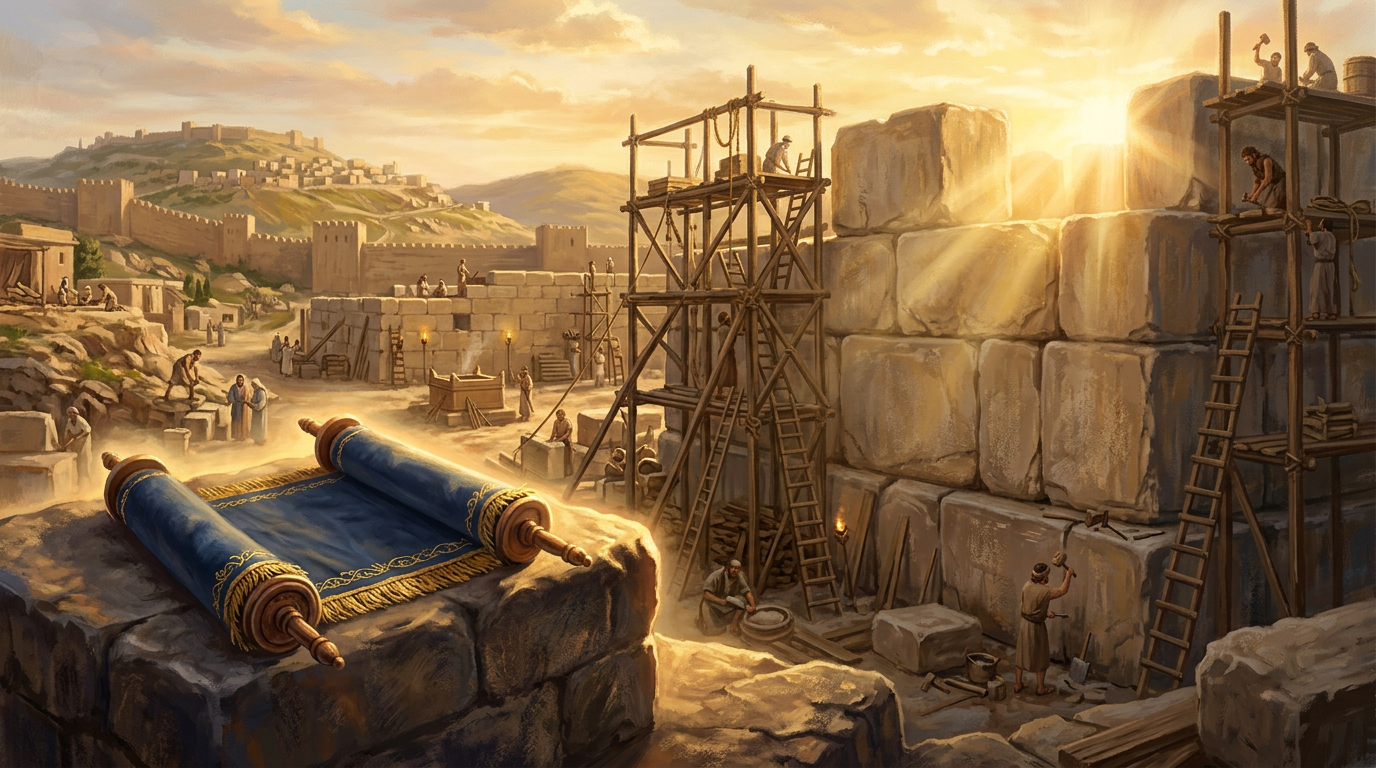
Haggai may be one of the shortest books in the Old Testament, but its two brief chapters carry a weight of divine urgency that transformed a nation. Writing to a people who had returned from exile only to find themselves distracted by their own comforts, the prophet Haggai delivered four specific messages that reignited the spiritual heart of Jerusalem. As you engage with our Bible word search, you are not merely finding letters; you are retracing the steps of a community learning to put God first. This puzzle serves as a companion to your scripture reading, helping you internalize the names, places, and commands that define this pivotal moment in post-exilic history. Whether you are a Sunday school teacher or a curious student of the Word, these themes offer timeless wisdom for prioritizing the sacred in our daily lives.
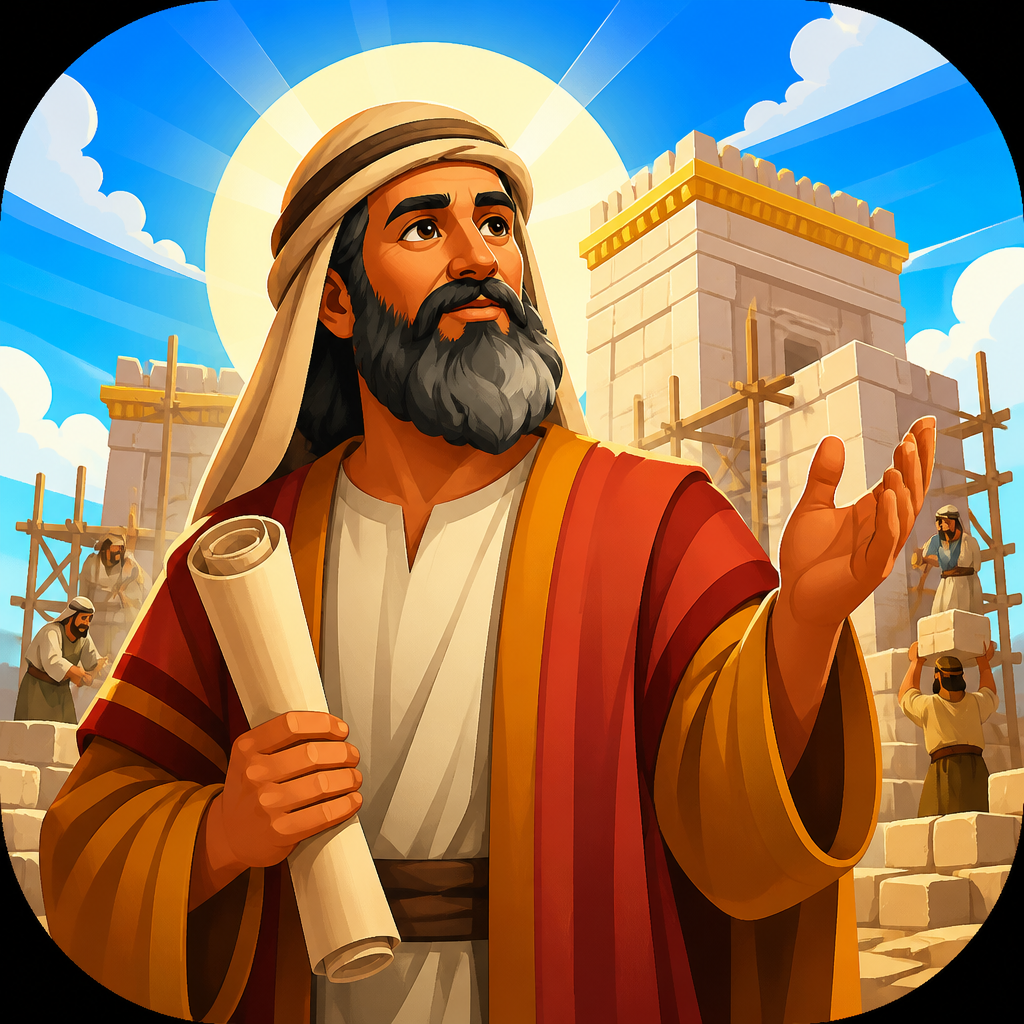
The Historical Context of Haggai
The Book of Haggai is the first of the three post-exilic prophets, positioned between Zephaniah and Zechariah in the Minor Prophets. Its composition is remarkably precise, dating the messages to a four-month period in 520 B.C., during the second year of King Darius Hystaspes of Persia. After the decree of Cyrus allowed the Jews to return to Jerusalem, the initial enthusiasm for rebuilding the Temple had withered under local opposition and economic hardship. The people had shifted their focus to building 'ceiled houses' for themselves while the house of the Lord lay in ruins. Haggai’s literary style is direct and interrogative, frequently using the phrase 'Consider your ways' to challenge his audience. His work is primarily a historical record of his four sermons, detailing the interaction between the prophet and the civil leader Zerubbabel, as well as the high priest Joshua. Unlike many other prophets who faced rejection, Haggai witnessed a Rare success: the leaders and the people listened, and the work on the Second Temple resumed just twenty-four days after his first address.
Priorities and the Promise of Presence
The primary theme of Haggai is the restoration of God's dwelling place and the accompanying blessings of obedience. In chapter 1, the prophet identifies the irony of the people’s poverty; despite their hard work in the fields, they remained hungry and cold because they neglected their spiritual obligations. Haggai teaches that material prosperity is intrinsically linked to spiritual fidelity. In chapter 2, the narrative shifts to encouragement. As the older generation wept because the new Temple seemed inferior to Solomon’s magnificent structure, Haggai prophesied that the 'glory of this latter house shall be greater than of the former.' This points forward to the presence of the Messiah. Furthermore, the book concludes with a messianic hope centered on Zerubbabel, who is described as a 'signet ring,' representing the continuation of the Davidic line. The theological heartbeat of the book is the promise, 'I am with you, saith the Lord,' a recurring assurance that God’s presence is the ultimate reward for a people who choose to honor Him above their own personal interests.
Questions People Ask About Haggai
What is the main message of the book of Haggai?
The central message is a call to prioritize God's work over personal convenience. Haggai 1:4 asks, 'Is it time for you, O ye, to dwell in your ceiled houses, and this house lie waste?' The prophet argues that the community's economic struggles were a direct result of neglecting the Temple. By re-establishing the Temple as the center of Jewish life, the people invited God’s blessing and presence back into their midst, moving from spiritual apathy to active obedience.
Who was Haggai in the Bible?
Haggai was a Hebrew prophet who served during the period after the Babylonian exile. He is often called 'the Lord’s messenger' (Haggai 1:13). While little is known of his personal genealogy, he worked closely with Zechariah to encourage the governor Zerubbabel and the high priest Joshua. He is known for his practical, no-nonsense approach to ministry, focusing on the immediate physical task of rebuilding the Temple as a sign of spiritual renewal.
What does 'consider your ways' mean in Haggai?
The phrase 'Consider your ways' appears five times in Haggai (1:5, 1:7, 2:15, 2:18). It is a call to self-reflection and evaluation. Haggai asks the people to look at the results of their current choices—sowing much but bringing in little—and realize that their dissatisfaction stems from their misplaced priorities. It is an invitation to stop, think, and align their daily actions with God's will.
When was the book of Haggai written?
Haggai is one of the most specifically dated books in the Bible. It records four messages delivered in the year 520 B.C. The first message occurred on the first day of the sixth month of the second year of Darius the king. The final messages were delivered on the twenty-fourth day of the ninth month of that same year. This specific timing places it roughly eighteen years after the first exiles returned from Babylon.
How does Haggai point to Jesus?
Haggai points to Jesus through the promise of the Temple's future glory in Haggai 2:7-9 and the choosing of Zerubbabel. By stating that the 'desire of all nations shall come,' Haggai looks forward to a time when God’s presence would dwell among men in the person of Christ. The elevation of Zerubbabel as a signet ring also preserves the messianic line of David, which eventually leads to the birth of Jesus.
Words to Look For in This Puzzle
A curated list of names, places, and themes from Haggai.
Verses to Reflect On
“Now therefore thus saith the LORD of hosts; Consider your ways.”
“Yet now be strong, O Zerubbabel, saith the LORD; and be strong, O Joshua, son of Josedech, the high priest; and be strong, all ye people of the land, saith the LORD, and work: for I am with you, saith the LORD of hosts:”
“The glory of this latter house shall be greater than of the former, saith the LORD of hosts: and in this place will I give peace, saith the LORD of hosts.”
As you search for these historical terms and names in our Haggai puzzle, allow the prophet's call for 'strong work' to inspire your own spiritual walk. The story of Haggai teaches us that it is never too late to restart a good work that has been abandoned. Even when our resources seem small or our efforts feel inferior to the past, God promises His presence and His peace to those who honor Him. We hope this puzzle brings the specific details of the Second Temple period to life for you. Take a moment to reflect on Haggai’s timeless question and consider the ways in which you can build a life centered on the glory of the Lord.
Frequently Asked Questions
Is this Haggai Bible word search free to download?
Yes, our Bible word searches are completely free for personal use, family devotionals, or church groups. You can print the Haggai puzzle directly from your browser to share with your Sunday school class or use during your individual morning study of the Minor Prophets.
What age group is the Haggai puzzle designed for?
This puzzle is ideal for older children, teens, and adults. Because it uses specific names like Zerubbabel and Josedech, it provides a healthy challenge while helping solvers become familiar with the unique vocabulary found in the two chapters of Haggai.
Can I print multiple copies for my Bible study group?
Absolutely. We encourage teachers and small group leaders to print as many copies as needed to facilitate a deeper engagement with the book of Haggai. It is a wonderful way to break the ice before discussing the historical context of the post-exilic period.
Where can I read the full text of Haggai online?
You can find the King James Version of Haggai on various public domain sites like BibleGateway or Blue Letter Bible. Reading the two chapters before starting the puzzle will help you recognize the significance of each word you find.
More Bible puzzles
Puzzle powered by WordSearch.Life