Jeremiah Word Search
Explore the life of the prophet Jeremiah through this Bible word search. Learn about the new covenant and his faithful ministry during Judah’s exile.

Stepping into the world of the Prophet Jeremiah requires a heart ready to embrace both deep sorrow and unshakable hope. Often called the Weeping Prophet, Jeremiah served during one of the most tumultuous eras in biblical history, witnessing the fall of Jerusalem while steadfastly delivering God's difficult messages. We have designed this Bible word search to help you engage more deeply with the people, places, and powerful promises found within this expansive book. As you scan the grid for significant terms, you are doing more than just solving a puzzle; you are tracing the footsteps of a man who remained faithful under immense pressure. This page serves as a quiet space for reflection, allowing the timeless truths of the Major Prophets to settle into your spirit through a fun and educational activity.
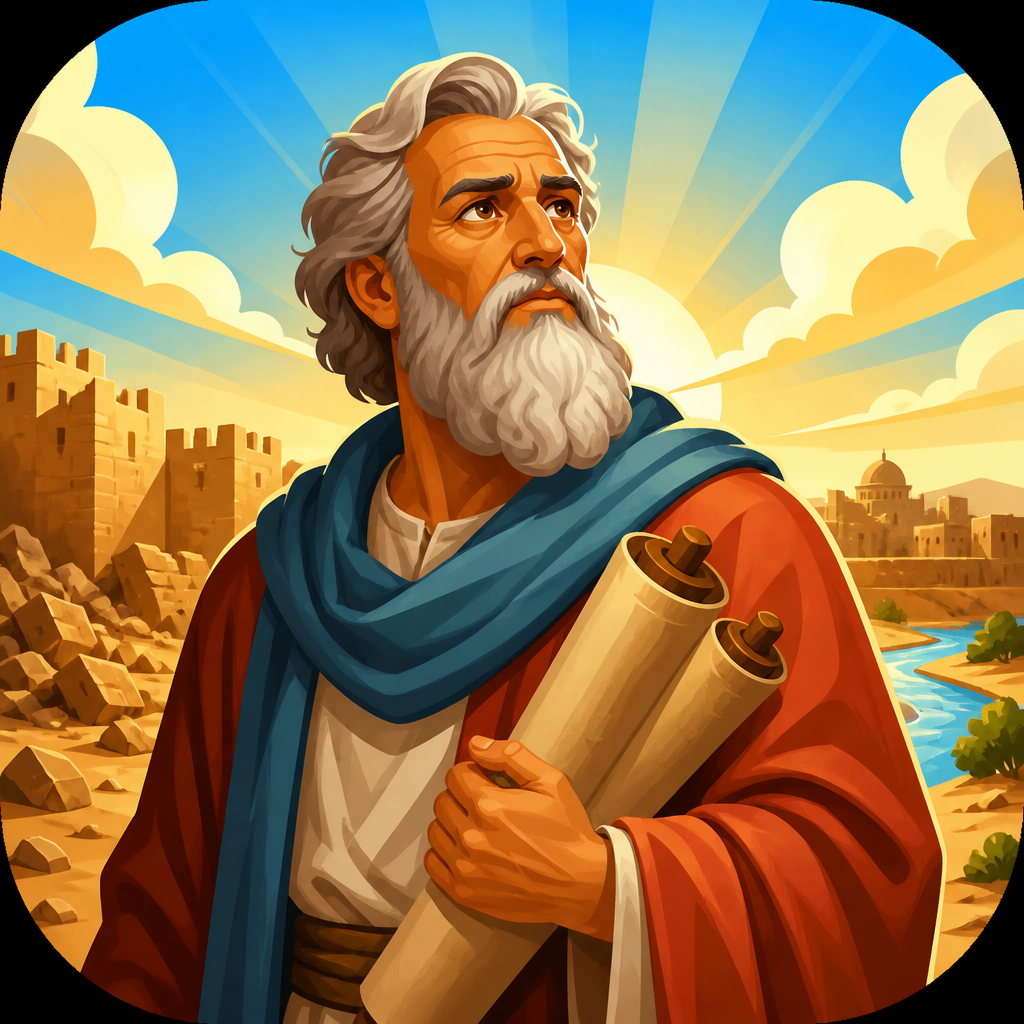
Understanding the Book of Jeremiah
The Book of Jeremiah stands as the longest book in the Bible by word count, offering a profound look into the ministry of the son of Hilkiah. Writing from approximately 627 to 580 B.C., Jeremiah addressed the southern kingdom of Judah during the final decades before the Babylonian captivity. This prophetic work is not strictly chronological, blending poetic oracles, historical narratives, and personal laments often referred to as Jeremiah's 'confessions.' Positioned between Isaiah and Lamentations in the Christian canon, the book provides a vivid historical account of the reign of kings like Josiah, Jehoiakim, and Zedekiah. Jeremiah’s unique literary style captures his internal struggle—his desire to be silent versus the 'burning fire' in his bones that compelled him to speak. Scholar-priests and historians value this text for its detailed record of the siege of Jerusalem and its theological transition from a temple-centered faith to a more personal, internalized relationship with the Creator.
Prophetic Visions and the New Covenant
Central to Jeremiah's message is the concept of the New Covenant, most famously described in Chapter 31. Unlike the old law written on stone, this promise foretold a time when God’s word would be written directly upon human hearts. The book is rich with vivid symbolic actions; for instance, in Chapter 18, the prophet visits a potter’s house to illustrate God’s sovereignty over the nations, showing how a marred vessel can be reshaped. Another poignant moment occurs in Chapter 32, where Jeremiah purchases a field in Anathoth while the city is under siege, a radical act of faith signaling that life and commerce would one day return to the land. The book also introduces us to Baruch, Jeremiah’s faithful scribe who recorded the prophecies that King Jehoiakim attempted to destroy. Throughout these stories, the theme of 'returning' (teshuvah) remains constant, as the prophet pleads with the people to abandon idolatry and find restoration through genuine repentance.
Questions People Ask About Jeremiah
Why is Jeremiah called the weeping prophet?
Jeremiah earned this title because of his deep emotional distress over the spiritual decline and physical destruction of his people. In Jeremiah 9:1, he famously cries out for his eyes to be a 'fountain of tears' so he might weep day and night for the slain of Judah. His ministry was marked by rejection and loneliness, yet he remained compassionate toward the very people who persecuted him, embodying the sorrow of God over a broken relationship.
What is the meaning of the potter and the clay in Jeremiah 18?
In Jeremiah 18, the potter’s work represents God's absolute authority to mold, break, and reform nations. When the clay became marred in the potter’s hand, he did not discard it but reworked it into another vessel. This serves as a powerful metaphor for Judah: while judgment was coming due to their disobedience, God remained the Master Potter, capable of restoring and reshaping them if they would submit to His hands.
How long was the Babylonian captivity according to Jeremiah?
Jeremiah specifically prophesied that the period of exile in Babylon would last for seventy years. In Jeremiah 25:11-12 and again in Chapter 29, he informed the captives that they should settle down, build houses, and pray for the peace of the city where they were exiled, because their restoration would not occur until those seven decades were fully accomplished by God’s sovereign timing.
Who was Baruch in the book of Jeremiah?
Baruch, the son of Neriah, was Jeremiah’s dedicated scribe and close companion. He played a crucial role in writing down the prophet’s dictated oracles. According to Jeremiah 36, Baruch risked his life to read these prophecies in the Temple. When King Jehoiakim burned the original scroll, Baruch faithfully rewrote the entire message, ensuring the preservation of God's word for future generations despite royal opposition.
What does Jeremiah 29:11 mean in its original context?
While often used as a general promise of prosperity, Jeremiah 29:11 was originally written to Jewish exiles in Babylon who were facing decades of displacement. It was a message of hope intended to sustain them through a long period of discipline, assuring them that despite their current hardship, God’s ultimate plan was for their 'expected end' and national restoration, rather than their total destruction.
Words to Look For in This Puzzle
A curated list of names, places, and themes from Jeremiah.
Verses to Reflect On
“Before I formed thee in the belly I knew thee; and before thou camest forth out of the womb I sanctified thee, and I ordained thee a prophet unto the nations.”
“And ye shall seek me, and find me, when ye shall search for me with all your heart.”
“Call unto me, and I will answer thee, and shew thee great and mighty things, which thou knowest not.”
Working through the life of Jeremiah reminds us that faithfulness is not always measured by popular success, but by steadfast obedience to the truth. Whether he was standing before kings or sitting in a lonely dungeon, Jeremiah’s life pointed toward a future where God would reconcile with His people in a new and lasting way. As you complete this word search, we hope these biblical names and concepts spark a desire to read the full text of Jeremiah for yourself. Take a moment to reflect on the 'great and mighty things' mentioned in the scriptures as you find the hidden words. May this puzzle be a peaceful addition to your day of study and reflection.
Frequently Asked Questions
Is this Jeremiah word search suitable for Sunday School?
Yes, this puzzle is designed to be engaging for all ages and is an excellent resource for Sunday School classes, homeschooling, or personal devotions. It focuses on the key historical figures and uplifting promises found in the book of Jeremiah, making it accessible for both students and adults.
Can I print this Jeremiah puzzle for my Bible study group?
Absolutely! We encourage you to print the puzzle for non-commercial use in your local church groups, Bible studies, or at home. It serves as a wonderful icebreaker or a quiet activity to reinforce the names and themes discussed in the book of Jeremiah.
Which Bible version are the words and verses based on?
The verses and key terms used in our articles and puzzles are based on the King James Version (KJV). This ensures a classic, historically accurate experience that aligns with the traditional language most familiar to Bible students studying the Major Prophets.
Where can I read the full Book of Jeremiah online?
You can find the Book of Jeremiah on various free Bible websites like BibleGateway or Blue Letter Bible. Reading Chapter 1 (his call) and Chapter 31 (the new covenant) is a great way to start your journey through this profound prophetic book.
More Bible puzzles



Puzzle powered by WordSearch.Life