Philemon Word Search
Explore the shortest of Paul’s letters with our Philemon Bible study and word search. Discover themes of reconciliation and the story of Onesimus.
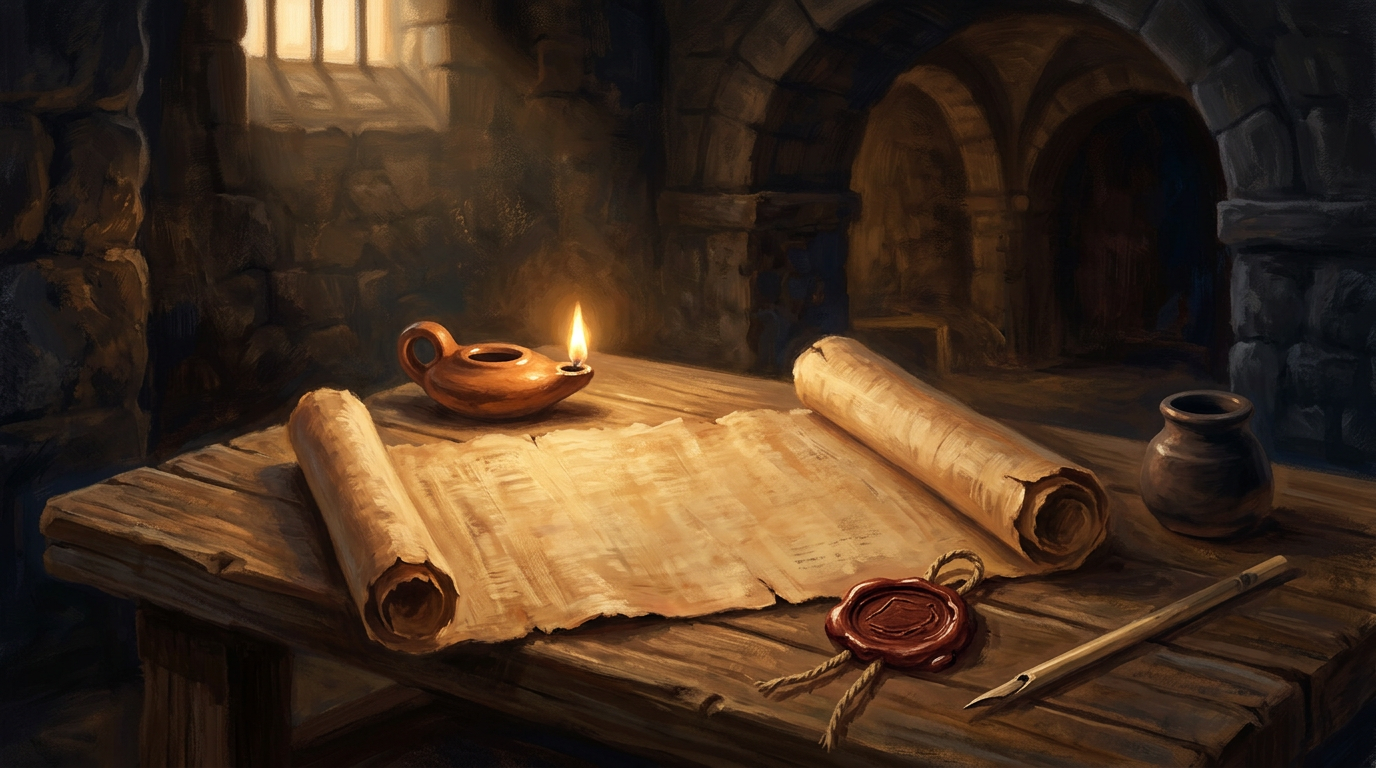
Deep within the heart of the New Testament lies a brief yet powerful letter that forever changed the ancient understanding of brotherhood and social status. Philemon serves as a personal window into the life of a wealthy homeowner in Colossae and the radical grace extended to a runaway servant. As you prepare to engage with our Bible word search, you are not merely looking for hidden letters; you are retracing a historical journey of reconciliation. This puzzle is designed to help families and students slow down, noticing the specific names and heartfelt pleas Paul used to bridge a divide that once seemed impossible. By focusing on each key term, you will find the profound beauty of a Gospel that transforms every human relationship it touches, making this study both intellectually rewarding and spiritually refreshing.
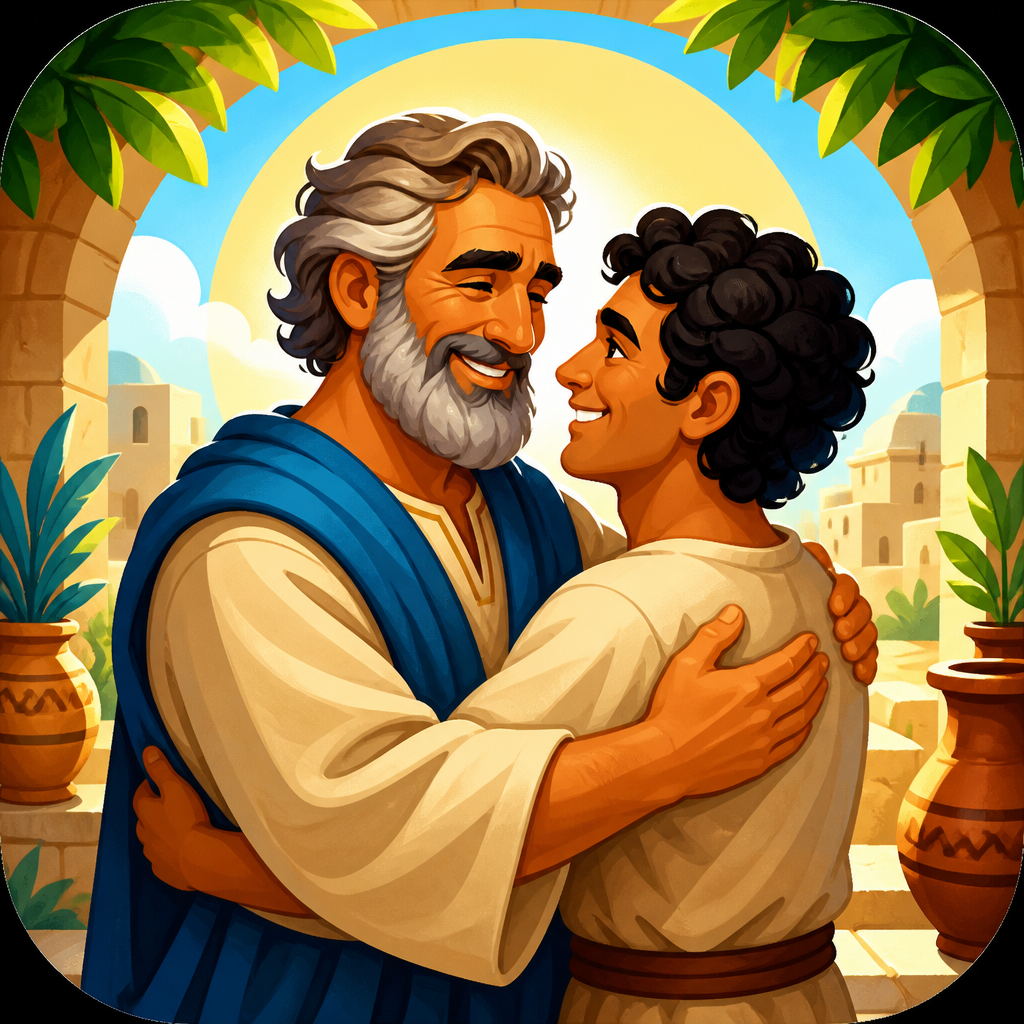
The Context of the Letter to Philemon
Philemon is the shortest of the Pauline epistles, consisting of only twenty-five verses. Written by the Apostle Paul during his first Roman imprisonment around 60–62 A.D., it stands as a unique piece of literature within the biblical canon. Unlike the grand theological treatises found in Romans or Ephesians, Philemon is a deeply personal correspondence. Paul writes from his chains, likely in Rome, addressed to a dear friend and fellow laborer in Colossae. The letter was delivered alongside the Epistle to the Colossians, carried by Tychicus and the very subject of the letter, Onesimus. Historically, it provides a rare glimpse into the early church's internal dynamics, showing how the message of Christ began to dissolve the rigid social hierarchies of the Roman Empire. By placing this letter in the canon, the early church recognized that the Gospel was not just a public proclamation but a private conviction that required tangible acts of forgiveness. The literary style is persuasive and affectionate, utilizing Paul’s characteristic warmth to appeal to Philemon's conscience rather than issuing a heavy-handed apostolic command. It remains a masterpiece of Christian diplomacy and pastoral care.
Grace, Debt, and Brotherhood in Philemon
The narrative heart of Philemon concerns the transformation of Onesimus, a servant who had fled from Philemon’s household, possibly after committing a theft. While in Rome, Onesimus encountered the imprisoned Paul and was converted to the faith. Paul now sends him back, not as a fugitive, but as a 'brother beloved.' A central theme is the concept of substitutionary atonement, mirrored in Paul’s offer in verse 18 to repay any debt Onesimus owed. This echoes the work of Christ, who paid the debts of humanity. The character of Philemon is presented as a leader of a house church, tasked with the difficult challenge of receiving a former runaway as an equal in Christ. The theme of 'Koinonia' or fellowship is prevalent, as Paul emphasizes that their shared partnership in the Gospel must dictate their social interactions. Furthermore, the letter highlights the power of intercession. Paul acts as a mediator, illustrating how Christians should advocate for one another. The story concludes with a hopeful expectation of obedience and hospitality, as Paul even requests that a guest room be prepared for his eventual visit, showing his confidence in Philemon’s spiritual maturity and the enduring bond of their shared mission in the Mediterranean world.
Questions People Ask About Philemon
Who was Onesimus in the Bible?
Onesimus was a servant belonging to Philemon, a Christian in Colossae. After fleeing his master, he met the Apostle Paul in Rome and became a Christian. Paul describes him in the letter as 'my son Onesimus, whom I have begotten in my bonds' (Philemon 1:10), eventually sending him back to Philemon as a beloved brother in Christ.
What is the main message of Philemon?
The main message of Philemon is the power of Christian reconciliation and the equality of believers in the eyes of God. Paul appeals to Philemon to receive his former servant not with punishment, but with the same love he would show Paul himself, demonstrating that the Gospel transcends social status and requires forgiveness.
Why did Paul write to Philemon?
Paul wrote to Philemon to intercede on behalf of Onesimus. He wanted to ensure that Philemon would forgive Onesimus and welcome him back into the community. Paul also used the letter to express his personal affection for Philemon and to hint at his hope for his own future release from prison.
Is the book of Philemon in the New Testament?
Yes, Philemon is a book in the New Testament. It is located between Titus and Hebrews. It is the last of Paul’s letters addressed to individuals and is categorized among the 'Prison Epistles' due to Paul's circumstances at the time of writing.
What does the name Onesimus mean?
The name Onesimus means 'profitable' or 'useful.' Paul makes a clever play on words in Philemon 1:11, noting that while Onesimus was once 'unprofitable' to Philemon, he had now become 'profitable' to both Philemon and Paul through his conversion to Christ.
Words to Look For in This Puzzle
A curated list of names, places, and themes from Philemon.
Verses to Reflect On
“For we have great joy and consolation in thy love, because the bowels of the saints are refreshed by thee, brother.”
“If thou count me therefore a partner, receive him as myself.”
“If he hath wronged thee, or oweth thee ought, put that on mine account;”
Working through a word search on Philemon is a wonderful way to internalize the virtues of patience and kindness. As you scan the grid for names like Apphia or Archippus, consider the small, tight-knit community of believers who first heard these words read aloud. This letter reminds us that no one is beyond the reach of God's grace and that our past mistakes do not define our future in the family of Christ. We hope this puzzle brings you clarity and a deeper appreciation for this short but significant book. May the story of Philemon inspire you to seek peace and practice forgiveness in your own daily walk.
Frequently Asked Questions
Is this Philemon puzzle suitable for Sunday school classes?
Yes, it is excellent for Sunday School! It focuses on key characters and positive themes like forgiveness and brotherhood, making it a great teaching tool for students of all ages.
Can I print the Philemon word search for my Bible study group?
Absolutely. This resource is designed to be shared and printed for personal or small group use to enhance your study of the New Testament.
What is the best way to use this puzzle for learning?
We recommend reading the 25 verses of Philemon first, then finding the words in the puzzle to reinforce the names and concepts you just read in the scripture.
Where can I read the full text of Philemon online?
You can read the full Book of Philemon on sites like BibleGateway or Blue Letter Bible, choosing the King James Version to match our study notes.
More Bible puzzles


Puzzle powered by WordSearch.Life