Philippians Word Search
Discover the themes of joy and humility in the Book of Philippians with our free Bible word search. Explore Paul's letter and deepen your study today.
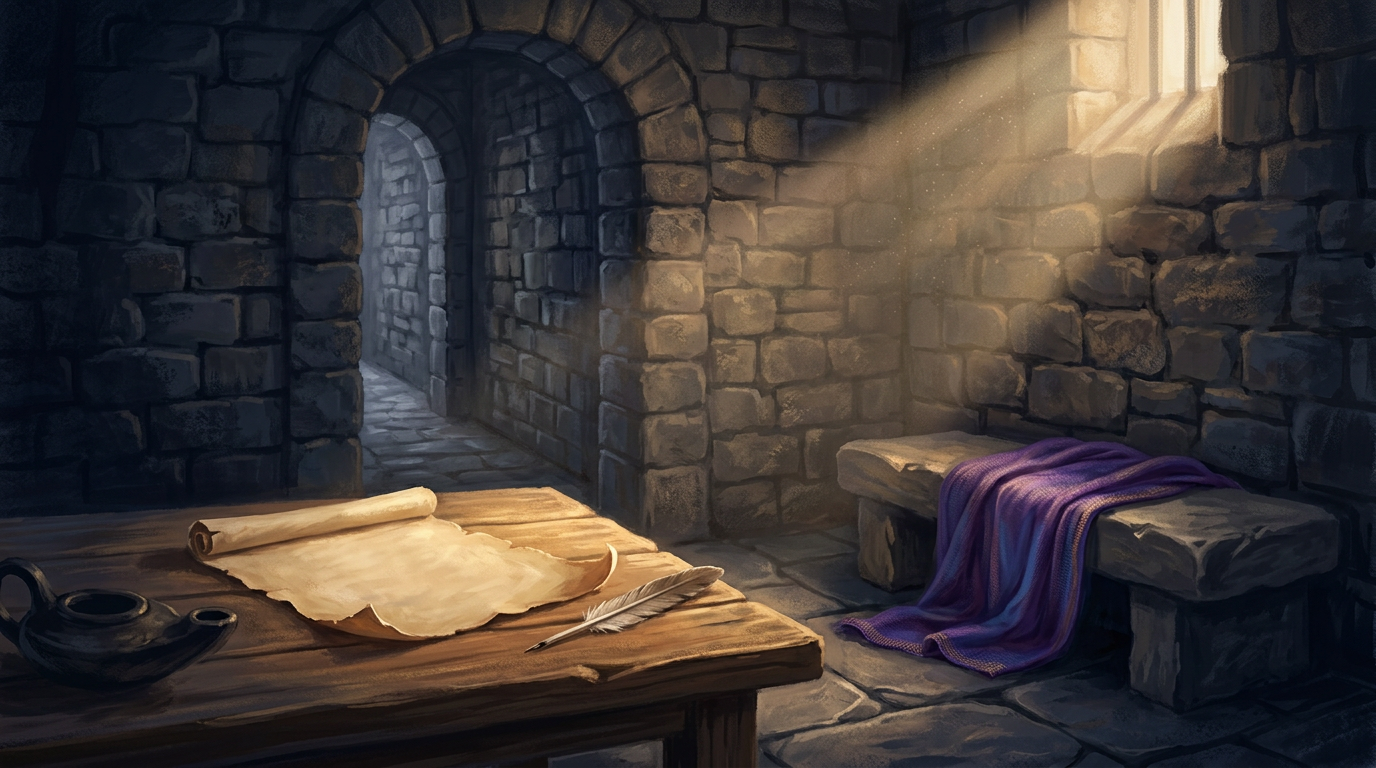
Philippians is often called the 'Epistle of Joy,' a remarkable title considering its author penned these encouraging words from the confines of a Roman prison. This short but potent letter offers a window into the resilient spirit of the early church and the transformative power of faith under pressure. As you prepare to engage with our Philippians word search puzzle, you are invited to slow down and meditate on the specific vocabulary of hope that Paul used to strengthen his friends in Macedonia. This page serves as both a scholarly resource and a quiet sanctuary where puzzle lovers can reconnect with one of the most beloved books in the New Testament. By searching for these sacred words, you internalize the very themes of peace and perseverance that have sustained believers for two millennia.
Understanding the Epistle to the Philippians
The Book of Philippians is a Pauline Epistle, traditionally attributed to the Apostle Paul during his first imprisonment in Rome around 60–62 AD. Located as the eleventh book of the New Testament, it is addressed to the church in Philippi, a Roman colony in Macedonia that held a special place in Paul’s heart. This was the first congregation established by Paul on European soil, a journey famously sparked by his 'Macedonian vision' described in the Book of Acts. Unlike some of his other letters that address deep doctrinal errors or moral failings, Philippians is largely a 'thank-you note' characterized by warmth, intimacy, and gratitude. The letter was likely delivered by Epaphroditus, a member of the Philippian church who had traveled to Rome to bring Paul financial support and personal care. The literary style is conversational yet deeply poetic, featuring what many scholars believe to be one of the earliest recorded Christian hymns in the second chapter. It stands as a testament to how spiritual contentment can exist entirely independent of one's physical circumstances, emphasizing that true citizenship belongs to a heavenly kingdom rather than an earthly empire.
The Mind of Christ and the Secret of Contentment
Philippians is anchored by the profound concept of the 'Mind of Christ,' particularly detailed in Chapter 2. Paul exhorts the believers to abandon selfish ambition and embrace the same humility displayed by Jesus, who took on the form of a servant. This theme of humble service is personified through figures like Timothy and Epaphroditus, whom Paul highlights as living examples of the faith. Another central pillar of the book is the pursuit of spiritual maturity; in Chapter 3, Paul describes his own life as a race, straining forward to reach the 'prize of the high calling.' This imagery of the athlete provides a vivid narrative of the Christian walk. Furthermore, the letter addresses the practicalities of peace in the face of anxiety. In the final chapter, Paul reveals the 'secret' he has learned: the ability to be content in every situation, whether facing abundance or extreme need. He encourages the church to focus their thoughts on things that are true, honest, and pure. These themes are not merely abstract theories but were written to resolve a specific conflict between two women in the church, Euodias and Syntyche, proving that Paul’s theology was always intended to heal relationships and foster unity within the community.
Questions People Ask About Philippians
Why did Paul write the book of Philippians?
Paul wrote Philippians primarily to thank the believers in Philippi for the financial gift they sent him while he was imprisoned in Rome. He also used the opportunity to update them on his legal situation, warn them against legalistic false teachers, and encourage unity within the congregation. By highlighting the humble example of Christ, Paul sought to resolve interpersonal conflicts and inspire the church to remain joyful and steadfast despite the Roman persecution they faced.
What is the main message of Philippians 4:13?
Philippians 4:13, which states 'I can do all things through Christ which strengtheneth me,' is often understood within the context of contentment. Paul is not claiming he can achieve any worldly feat, but rather that he has the divine strength to endure any circumstance—whether hunger or plenty, imprisonment or freedom. The message is about the sufficiency of Christ's power to sustain a believer's spirit regardless of their outward physical or economic hardships.
Who was Lydia in the book of Philippians?
While not mentioned by name in the letter itself, Lydia is the foundational figure of the Philippian church in Acts 16. She was a wealthy businesswoman from Thyatira who sold purple cloth. After hearing Paul preach by a river in Philippi, she became the first convert in Europe. Her hospitality provided the initial meeting place for the church, establishing the culture of generosity and support that Paul celebrates throughout his later Epistle to the Philippians.
What does Philippians say about the mind of Christ?
In Philippians 2:5-11, Paul describes the 'mind of Christ' as a spirit of total humility and self-emptying. He explains that although Jesus was equal with God, He did not cling to His status but took the form of a servant and was obedient even unto death. Paul encourages believers to adopt this same mindset, putting the needs of others before their own to maintain harmony and love within the body of believers.
Where was Paul when he wrote Philippians?
Paul was in prison when he authored Philippians, traditionally believed to be his house arrest in Rome around 60-62 AD. Despite being chained to a Roman guard and facing a potential death sentence, his tone remains incredibly optimistic. He mentions the 'palace guard' or 'praetorium' in Philippians 1:13, noting that his imprisonment actually served to spread the Gospel among the Roman soldiers and the household of Caesar.
Words to Look For in This Puzzle
A curated list of names, places, and themes from Philippians.
Verses to Reflect On
“For to me to live is Christ, and to die is gain.”
“Rejoice in the Lord alway: and again I say, Rejoice.”
“And the peace of God, which passeth all understanding, shall keep your hearts and minds through Christ Jesus.”
As you search for the words and names hidden within our Philippians puzzle, take a moment to consider the profound peace Paul possessed while writing this letter. His words remind us that joy is not the absence of trouble, but the presence of a meaningful purpose. Whether you are using this activity for a Sunday school lesson, a personal devotional, or simply a quiet afternoon of reflection, we hope the themes of Philippians inspire you to find contentment in your own journey. May the verses shared here provide light for your path, and may your time spent in this beautiful book bring a renewed sense of hope to your heart.
Frequently Asked Questions
Is this Philippians word search free to download?
Yes, our Bible word searches, including this one focused on Philippians, are completely free for personal use, family study, or church groups. You can enjoy them directly on our website.
Can I print the Philippians puzzle for my Bible study group?
Absolutely! We encourage teachers and small group leaders to print our puzzles. The Philippians word search is an excellent tool for engaging students with the key terms and characters of the epistle.
What age group is this Philippians puzzle intended for?
This puzzle is designed for all ages. While the vocabulary is based on the rich text of Philippians, the format is accessible for children, teens, and adults who enjoy scripture-based puzzles.
Where can I read the full text of Philippians online?
You can read the entire Book of Philippians for free on various Bible websites or apps. We recommend using the King James Version to match the specific vocabulary used in our word search.
More Bible puzzles

Puzzle powered by WordSearch.Life