Proverbs Word Search
Explore the Book of Proverbs through our Bible puzzles. Discover King Solomon's wisdom, the fear of the Lord, and timeless virtues for all ages.

Stepping into the Book of Proverbs is like entering a treasure house where the currency is not gold or silver, but divine understanding. This unique collection of Hebrew poetry offers a practical roadmap for navigating the complexities of human relationships, financial stewardship, and personal integrity. As you engage with our Proverbs word search puzzle, you are doing more than just finding hidden letters; you are immersing yourself in the same timeless observations that guided ancient kings and commoners alike. Whether you are a student of scripture or a lover of classic literature, these pithy sayings provide a spiritual compass that remains remarkably relevant in our modern world. We invite you to pause, reflect on each term, and let the quiet brilliance of these ancient maxims enrich your mind while you play.
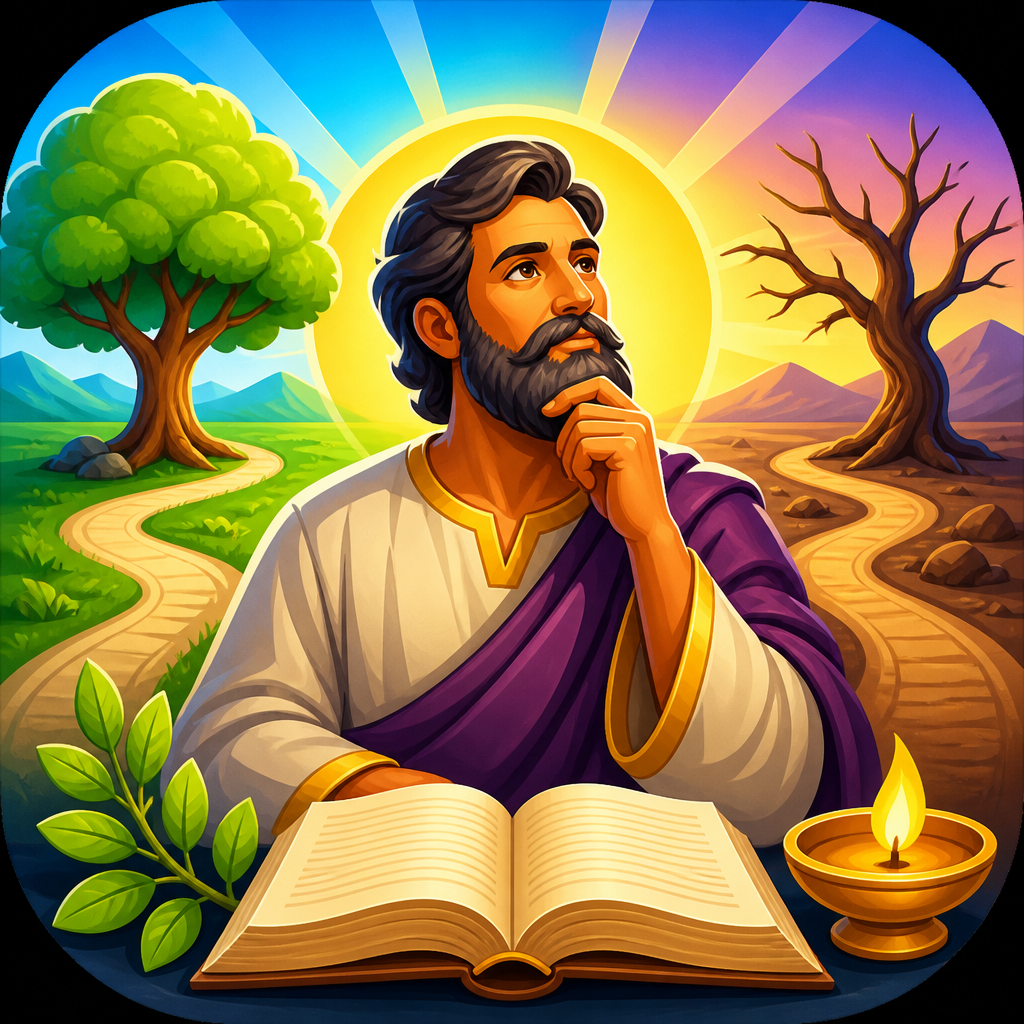
The Origins and Artistry of Proverbs
The Book of Proverbs, or 'Mishlei' in Hebrew, stands as the cornerstone of the Bible’s wisdom literature. While the text explicitly identifies King Solomon, the son of David, as its primary author and compiler around the 10th century B.C., it also incorporates the wise sayings of Agur and King Lemuel. This anthology was likely curated over several centuries, reaching its final form during the reign of King Hezekiah, whose scribes are credited with transcribing many of Solomon's observations. Unlike the narrative pace of the Pentateuch or the emotional depths of the Psalms, Proverbs is a didactic masterpiece. It utilizes a literary style known as parallelism, where two lines of verse are set in contrast or reinforcement to one another. Positioned between Psalms and Ecclesiastes in the Hagiographa (Writings) of the Hebrew Bible, it serves as a manual for 'chokmah'—a Hebrew term that implies not just intellectual knowledge, but the specialized skill of living well and making godly choices in the sight of the Creator.
Wisdom, Folly, and the Path of Virtue
Central to the Book of Proverbs is the personification of Lady Wisdom, who stands at the gates of the city calling out to all who will listen in Proverbs 8. She is set in stark contrast to the 'strange woman' or Folly, representing the two paths every human soul must choose between. The theological foundation of the entire book is anchored in Proverbs 1:7, establishing that the fear of the Lord is the beginning of knowledge. Rather than presenting abstract theories, the book tackles grit-and-grind topics like the dangers of slothfulness, the power of the tongue to either heal or destroy, and the importance of honest weights and measures in business. The final chapter, Proverbs 31, introduces the celebrated 'virtuous woman,' a literal and metaphorical conclusion that embodies the practical application of wisdom in domestic and community life. Through these vivid character sketches and moral warnings, the book emphasizes that our daily habits and words are the true indicators of our spiritual health.
Questions People Ask About Proverbs
Who wrote the Book of Proverbs according to the Bible?
King Solomon is traditionally recognized as the primary author, having been granted extraordinary wisdom by God. Proverbs 1:1 and 10:1 specifically attribute large sections to him. However, the book also includes the words of 'the wise' (Proverbs 22:17), the sayings of Agur (Proverbs 30), and the instructions given to King Lemuel by his mother (Proverbs 31). King Hezekiah’s men also played a significant role in transcribing and compiling Solomon's proverbs years later, as noted in Proverbs 25:1.
What is the main message of the Book of Proverbs?
The central message is that true wisdom begins with a proper relationship with God, described as 'the fear of the Lord.' It teaches that life is governed by moral laws just as certain as physical laws. By choosing discipline, humility, and hard work over pride and impulsiveness, an individual can avoid the pitfalls of sin and lead a life that honors God and serves the community, leading to peace and favor.
What does 'the fear of the Lord' mean in Proverbs?
In Proverbs, the 'fear of the Lord' (Proverbs 1:7; 9:10) does not mean a terrifying dread, but rather a profound holy awe and reverent respect for God’s sovereignty and holiness. It is an acknowledgment that God is the ultimate Judge and Source of truth. This mindset leads to a hatred of evil and a humble heart, which Proverbs identifies as the necessary starting point for gaining any real understanding or spiritual maturity.
Is the Proverbs 31 woman a real person?
Proverbs 31:10-31 describes the 'woman of noble character.' Most scholars view this passage as an acrostic poem that serves as a personified ideal of wisdom in action. While it may have been inspired by real women in King Lemuel's life, it functions primarily as a poetic summary of the book’s virtues—diligence, kindness, and faithfulness—showing how wisdom looks when lived out in the context of family and work.
Why are there 31 chapters in the Book of Proverbs?
The division into 31 chapters makes Proverbs a popular choice for daily reading, as one chapter can be read for each day of a typical month. While the chapter divisions were added long after the original text was written, this structure helps readers consistently engage with the book’s 915 verses, ensuring that the pursuit of wisdom becomes a daily habit rather than an occasional study.
Words to Look For in This Puzzle
A curated list of names, places, and themes from Proverbs.
Verses to Reflect On
“Trust in the LORD with all thine heart; and lean not unto thine own understanding.”
“The name of the LORD is a strong tower: the righteous runneth into it, and is safe.”
“A man's heart deviseth his way: but the LORD directeth his steps.”
As you finish your search for these meaningful words, may the truths of the Book of Proverbs linger in your heart. This book is more than a list of ancient rules; it is a gracious invitation from a loving Father to walk in ways of pleasantness and paths of peace. Each word you found carries a weight of history and a spark of divine guidance intended to protect and prosper your soul. We hope this puzzle has offered a moment of quiet reflection amidst a busy day. Carry the wisdom of Solomon with you as you leave this page, and perhaps return tomorrow to discover a new chapter and a fresh perspective on the beauty of a life well-lived in faith.
Frequently Asked Questions
Is this Proverbs word search puzzle free to use?
Yes, our Bible word search puzzles are completely free for personal use. You can enjoy them directly in your browser or use them as a helpful resource for family devotions and personal study of the Book of Proverbs.
Can I print this Proverbs puzzle for a Sunday School class?
Absolutely! We encourage teachers and ministry leaders to print our puzzles. The Book of Proverbs is an excellent subject for students of all ages to learn about biblical character and moral values through engaging activities.
What age group is the Proverbs word search designed for?
This puzzle is designed for a general audience, making it suitable for older children, teens, and adults. The vocabulary is pulled directly from the King James Version of Proverbs, providing a healthy challenge for all age groups.
Where is the best place to read the full text of Proverbs?
You can read the full Book of Proverbs in any standard Bible. Many free online resources like BibleGateway or Blue Letter Bible offer the King James Version, allowing you to study the verses mentioned in this puzzle in their full context.
More Bible puzzles
Puzzle powered by WordSearch.Life