Ecclesiastes Word Search
Discover the profound wisdom of Ecclesiastes through our Bible word search. Explore the teachings of the Preacher on vanity, purpose, and the seasons of life.

Searching for meaning in the fleeting moments of life often leads us to the doorstep of one of the most philosophical books in the Old Testament. Ecclesiastes offers a raw and honest exploration of human existence, inviting us to look beyond the temporary and find rest in the eternal. As you prepare to engage with our Bible word search, you will encounter the profound vocabulary of a writer wrestling with the repetitive cycles of nature and the heavy burdens of the heart. This puzzle serves as a gentle companion to your study, helping you to slow down and meditate on the timeless truths found within these twelve chapters. Whether you are a lifelong student of scripture or a curious newcomer, the journey through these verses promises to challenge your perspective on work, joy, and divine purpose.
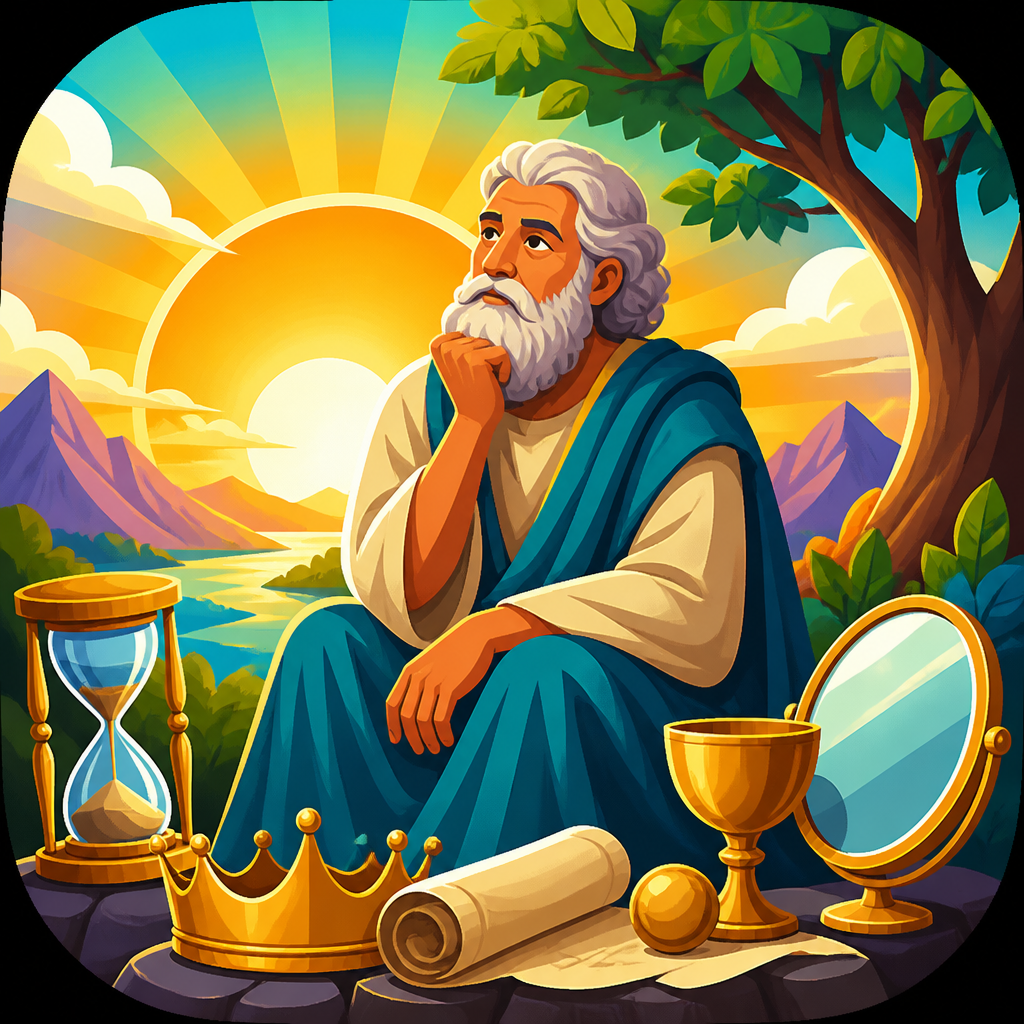
The Voice of the Preacher in Ecclesiastes
Ecclesiastes belongs to the Wisdom Literature of the Hebrew Bible, standing alongside Job and Proverbs as a deep meditation on the human condition. Traditionally attributed to King Solomon in his later years, the text identifies its author as 'Koheleth' or 'the Preacher,' a son of David who reigned in Jerusalem. While some scholars debate the exact linguistic period of its final form, the book reflects the unparalleled wealth and intellectual curiosity associated with the Solomonic era, likely written around the 10th century BC. Positioned in the Megillot, it is a staple of Jewish liturgy, traditionally read during the festival of Sukkot to remind the faithful of the temporary nature of their earthly dwellings. The literary style is unique, blending autobiographical observation with poetic proverbs and skeptical inquiry. It does not shy away from the frustrations of life 'under the sun,' yet it systematically points the reader toward the only constant in a changing world: the Creator. By documenting the failure of wealth, pleasure, and even human wisdom to provide ultimate satisfaction, Ecclesiastes clears the path for a faith rooted in reverence and obedience.
Vanity, Labor, and the Sovereignty of God
The central theme of Ecclesiastes is famously captured in the Hebrew word 'hevel,' often translated as 'vanity' or 'meaningless.' In Chapter 1, the Preacher observes that life is like a vapor—visible but impossible to grasp. This theme of transience permeates his observations on the cycle of nature and the futility of amassing riches that one cannot keep. Another vital theme is the ‘Seasonality of Life’ found in the iconic poem of Chapter 3, which asserts that God has appointed a specific time for every activity under heaven. The book also navigates the tension between the apparent injustice of the world and the certainty of divine judgment. In Chapter 9, the writer reflects on the common destiny of all men, urging readers to find joy in their daily labor and the simple gifts of food and companionship. Ultimately, the book concludes in Chapter 12 with a powerful exhortation to 'Remember now thy Creator in the days of thy youth.' It transitions from a skeptical look at worldly pursuits to a firm theological grounding: fearing God and keeping His commandments is the whole duty of man. This balance of realism and faith makes Ecclesiastes a uniquely comforting book for those facing the complexities of modern life.
Questions People Ask About Ecclesiastes
what is the main message of the book of ecclesiastes
The main message of Ecclesiastes is that life apart from God is 'vanity' or fleeting, like chasing the wind. The author, known as the Preacher, explores various earthly pursuits—pleasure, work, and wisdom—only to find them temporary. He concludes in Ecclesiastes 12:13-14 that the ultimate purpose of human life is to 'Fear God, and keep his commandments,' as this is the only pursuit with eternal significance and the basis upon which God will judge every work.
who wrote the book of ecclesiastes in the bible
Internal evidence suggests King Solomon is the author, as the writer describes himself in Ecclesiastes 1:1 as 'the son of David, king in Jerusalem' and notes his great wealth and wisdom. While the book uses the title 'Koheleth' (the Preacher), the descriptions of building projects, vast gardens, and unparalleled resources in Chapter 2 align closely with the historical account of Solomon’s reign found in the books of Kings and Chronicles.
what does vanity of vanities mean in ecclesiastes
The phrase 'vanity of vanities' (Ecclesiastes 1:2) uses a Hebrew superlative to express the extreme fleetingness of life. The word 'hevel' literally means breath, vapor, or mist. It doesn't mean life is worthless, but rather that it is transitory and unpredictable. Just as one cannot catch the wind, humans cannot fully grasp or control the mysteries of life, emphasizing our need to depend on the eternal God rather than temporary circumstances.
is ecclesiastes a book of pessimism or optimism
Ecclesiastes is best described as a book of 'biblical realism.' While it may seem pessimistic because it acknowledges the reality of death, injustice, and the frustration of hard work (Ecclesiastes 2:17), it is ultimately hopeful. It encourages readers to enjoy God's simple gifts and points to a final justice. By stripping away false hopes in worldly things, it directs the heart toward a more stable, God-centered optimism.
meaning of a time for every purpose under heaven
Found in Ecclesiastes 3:1-8, this phrase teaches that God is sovereign over the timing of all earthly events. By listing opposites like 'a time to be born, and a time to die,' the Preacher shows that life is composed of varying seasons. This perspective helps believers accept both joy and sorrow, recognizing that God makes 'every thing beautiful in his time' (Ecclesiastes 3:11) and that we can trust His overarching plan.
Words to Look For in This Puzzle
A curated list of names, places, and themes from Ecclesiastes.
Verses to Reflect On
“To every thing there is a season, and a time to every purpose under the heaven:”
“Let us hear the conclusion of the whole matter: Fear God, and keep his commandments: for this is the whole duty of man.”
“He hath made every thing beautiful in his time: also he hath set the world in their heart, so that no man can find out the work that God maketh from the beginning to the end.”
As you finish this word search and reflect on the intricate themes of Ecclesiastes, remember that even in the midst of life's uncertainties, there is a divine rhythm and a purposeful design. The Preacher’s words serve not to discourage us, but to ground us in what truly matters. We hope this puzzle has offered you a moment of peaceful contemplation, allowing the key terms of this wisdom book to take root in your mind. May you carry the wisdom of the seasons with you throughout your week. We invite you to explore our other biblical puzzles as you continue your journey through the Word, finding joy in every discovery.
Frequently Asked Questions
Is this Ecclesiastes word search suitable for children?
Yes, this puzzle is engaging for all ages and designed for all ages. While the themes of Ecclesiastes are deep, the vocabulary is accessible, making it a wonderful tool for Sunday school, homeschooling, or family devotions to introduce kids to the concept of God's timing.
Can I print this Ecclesiastes puzzle for my Bible study group?
Absolutely. You can print the puzzle directly from your browser to share with your church group or friends. It is a great way to break the ice and stimulate conversation about the Preacher's observations before diving into a chapter-by-chapter study.
Where can I read the full text of Ecclesiastes online?
The book of Ecclesiastes is available in the King James Version on various public domain sites like BibleGateway or Project Gutenberg. Reading the twelve chapters alongside this puzzle will help you better understand the context of words like 'vanity' and 'portion'.
How does this puzzle help me understand the Bible?
By focusing on specific keywords from Ecclesiastes, you are practicing active meditation. Familiarizing yourself with the book's unique terminology helps you recognize these themes when you read the scriptures, making the biblical text more approachable and memorable for your personal growth.
More Bible puzzles

Puzzle powered by WordSearch.Life