Joel Word Search
Discover the prophetic message of Joel through our Bible word search. Learn about the Day of the Lord, restoration, and the promise of the Holy Spirit.
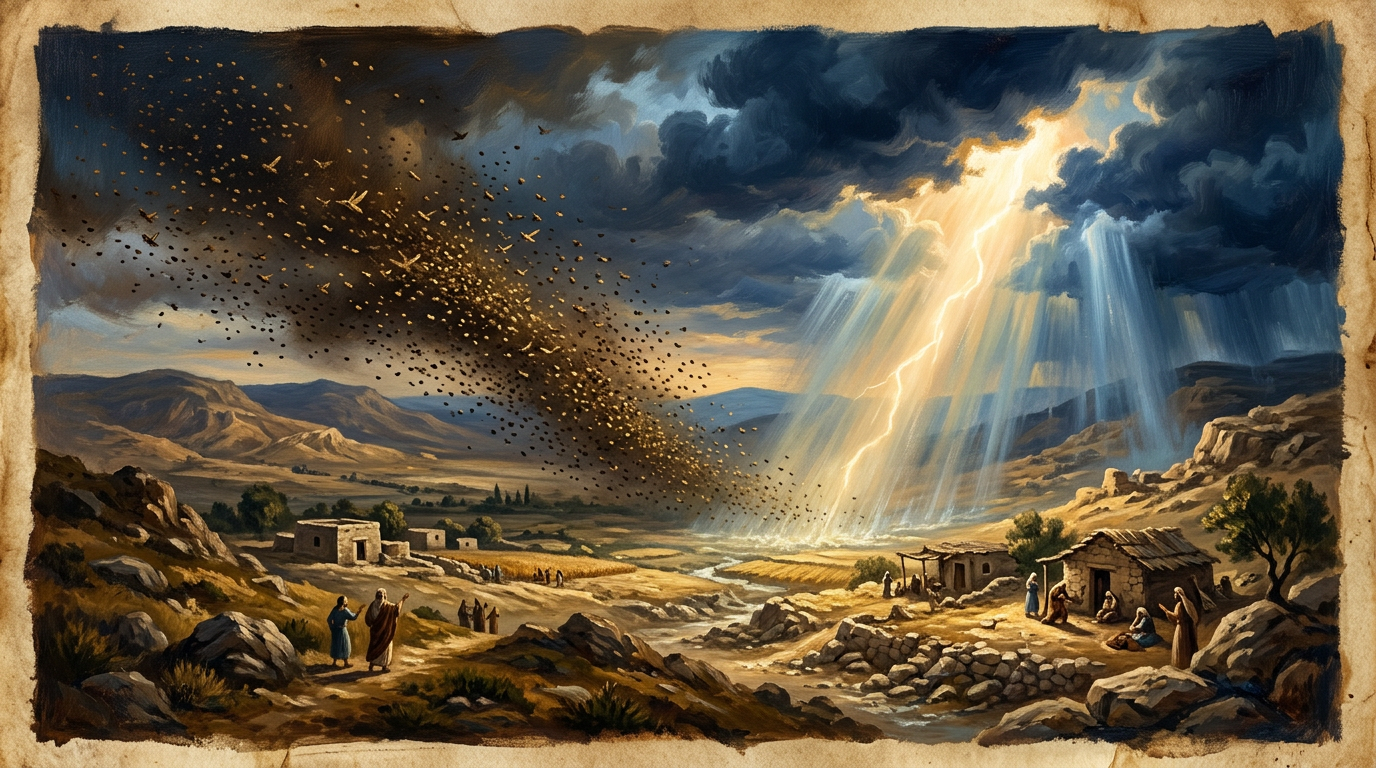
Deep within the Minor Prophets lies the brief yet thunderous message of Joel, a book that transitions masterfully from the devastation of a locust plague to the glorious promise of spiritual renewal. As you prepare to engage with our Joel-themed puzzle, take a moment to consider how this ancient text speaks to the resilience of the human spirit when anchored in faith. Joel provides a vivid tapestry of imagery, blending the harsh realities of agricultural ruin with the sublime hope of a coming day when God's presence would be felt by all. This page is designed to help you slow down, meditate on the prophet's words, and find peace through the rhythmic search for biblical truths hidden within the grid of letters before you.
Historical Context and Authorship of Joel
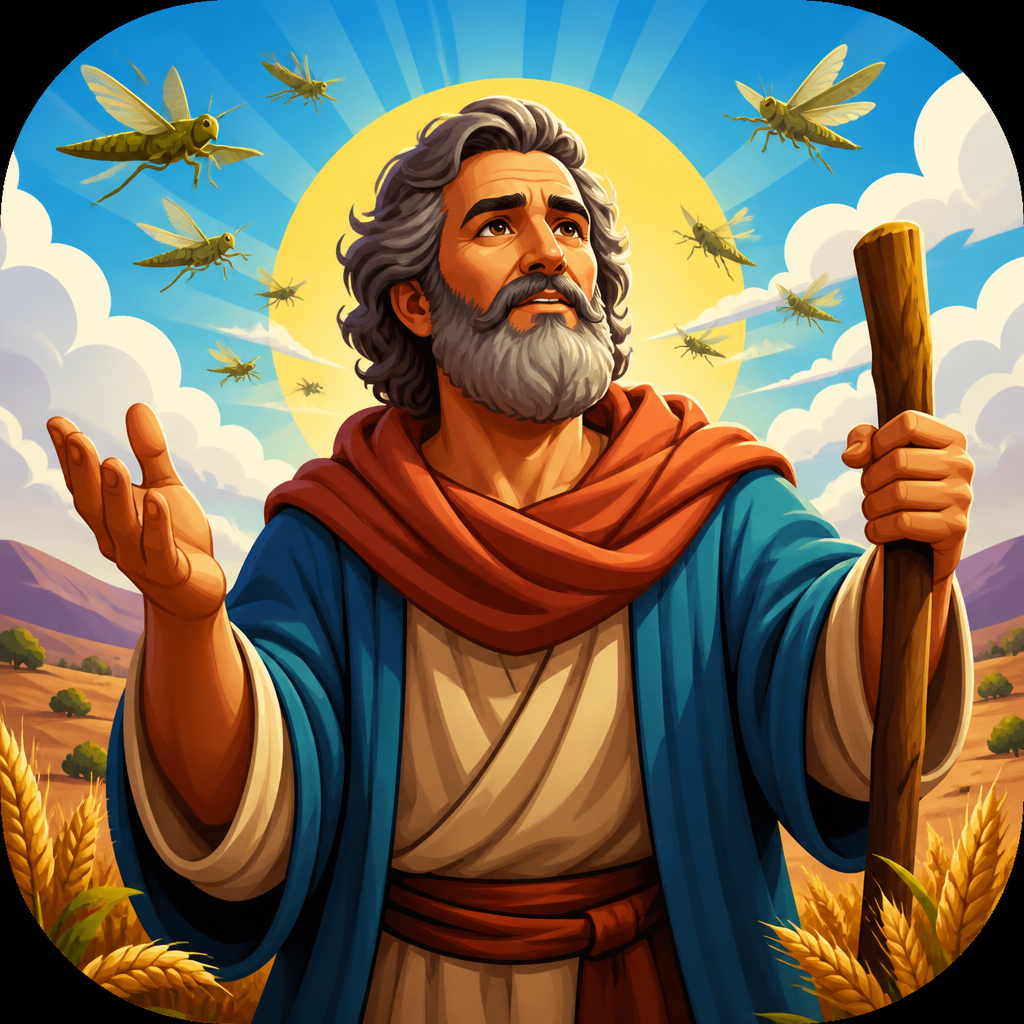
The Book of Joel is attributed to Joel, the son of Pethuel, though very little is known about his personal life or the exact date of his ministry. Unlike other prophets who date their oracles by the reigns of specific kings, Joel focuses intensely on the immediate crisis facing Judah. Scholars often debate the timing of the writing, with suggestions ranging from the early pre-exilic period to the post-exilic era around 500-400 B.C. Despite this mystery, the literary quality of the book is exceptional, featuring rhythmic Hebrew poetry and sophisticated metaphors. It is strategically placed as the second book of the Twelve Minor Prophets in the English Bible, serving as a bridge between the warnings of Hosea and the social critiques of Amos. The setting is primarily centered in Jerusalem and the surrounding temple environment, as the prophet calls for the priests and the elders to gather in solemn assembly to seek divine intervention during a time of unprecedented ecological and economic hardship.
The Day of the Lord and Divine Restoration
Central to Joel’s message is the recurring concept of the 'Day of the Lord,' a theological motif representing moments of divine intervention in human history. The book begins in Chapter 1 with a harrowing description of a locust invasion that has stripped the land of its vines, fig trees, and wheat, leaving the people in a state of mourning. This physical catastrophe serves as a precursor to even greater spiritual realities. In Chapter 2, the tone shifts from judgment to a call for genuine repentance, famously urging the people to 'rend your heart, and not your garments.' The theological climax occurs in Joel 2:28-29, where God promises to pour out His Spirit upon all flesh, regardless of age or status. This prophecy holds immense significance in the New Testament, as it was directly quoted by the Apostle Peter on the day of Pentecost. Finally, Chapter 3 offers a vision of the Valley of Jehoshaphat, where God sits in judgment over the nations, ultimately promising that Judah will dwell forever and the land will flow with new wine and milk.
Questions People Ask About Joel
what is the main message of the book of joel
The main message of Joel is a call to national repentance in the face of judgment. Using a catastrophic locust plague as a physical sign, Joel warns that the 'Day of the Lord' is approaching. However, he emphasizes that God is 'gracious and merciful, slow to anger, and of great kindness' (Joel 2:13). The book moves from the gloom of destruction to the brightness of restoration, promising that God will 'restore the years that the locust hath eaten' and pour out His Spirit upon all people.
who were the locusts in the book of joel
In Joel 1 and 2, the locusts are described both as a literal ecological disaster and a metaphorical invading army. The prophet uses four terms—palmerworm, locust, cankerworm, and caterpillar—to describe the total devastation of the crops. While some interpreters believe this refers strictly to a natural insect plague that ruined Judah's economy, others see it as a symbolic representation of foreign nations or the 'northern army' that would come to judge the land if the people did not repent.
did joel prophesy about pentecost
Yes, Joel is famously known as the prophet of the Holy Spirit. In Joel 2:28, he records the divine promise: 'And it shall come to pass afterward, that I will pour out my spirit upon all flesh.' In the New Testament, specifically in Acts 2, the Apostle Peter explicitly cites this passage from Joel to explain the miraculous events occurring on the Day of Pentecost, confirming that Joel's ancient vision was being fulfilled through the birth of the Christian Church.
where is the valley of jehoshaphat mentioned in joel
The Valley of Jehoshaphat is mentioned in Joel 3:2 and 3:12. The name 'Jehoshaphat' literally means 'The Lord Judges.' In these passages, Joel describes a future time when God will gather all nations into this valley for a final reckoning. It represents a place of ultimate justice where those who have scattered Israel and divided the land are held accountable, serving as a powerful image of God's sovereignty over world history and his protection of his people.
what does rend your heart and not your garments mean
In Joel 2:13, the prophet instructs the people to 'rend your heart, and not your garments.' In ancient Near Eastern culture, tearing one's clothes was a common outward sign of grief or remorse. Joel is teaching that outward religious rituals are meaningless without an internal change. He calls for a deep, sincere, and inward repentance that transforms the soul, rather than just a public display of sorrow, ensuring that the heart is truly turned back toward God.
Words to Look For in This Puzzle
A curated list of names, places, and themes from Joel.
Verses to Reflect On
“And rend your heart, and not your garments, and turn unto the LORD your God: for he is gracious and merciful, slow to anger, and of great kindness, and repenteth him of the evil.”
“And I will restore to you the years that the locust hath eaten, the cankerworm, and the caterpiller, and the palmerworm, my great army which I sent among you.”
“And it shall come to pass afterward, that I will pour out my spirit upon all flesh; and your sons and your daughters shall prophesy, your old men shall dream dreams, your young men shall see visions:”
As you search for these terms in our Joel word puzzle, let the themes of renewal and hope settle in your heart. The story of Joel reminds us that no matter how desolate the 'winter' of our lives may seem, there is a promise of a spring where the Spirit is poured out and the harvest is restored. Whether you are a scholar of the Minor Prophets or simply enjoy the quiet challenge of a word search, we hope this exploration of Joel enriches your day. May you find encouragement in the fact that restoration is always possible when we turn with a sincere heart toward the Creator.
Frequently Asked Questions
Is this Joel word search puzzle free to play?
Yes, our Bible word search puzzles, including the Joel collection, are completely free to enjoy online. We believe in providing accessible, engaging for all ages resources for anyone wishing to engage more deeply with the scriptures through fun and educational activities.
Can I print the Joel puzzle for my Sunday School class?
Absolutely! We encourage teachers, pastors, and parents to print these puzzles for educational use. They make excellent supplements for lessons on the Minor Prophets or the history of the Holy Spirit's work in the Bible.
What age group is this Joel article and puzzle intended for?
Our content is designed for all ages. The article provides depth for adults and teens, while the word search is a great way for children to become familiar with key biblical names and concepts found in the book of Joel.
Where can I read the full text of Joel online?
You can read the Book of Joel in the King James Version or other translations on various reputable Bible study websites like BibleGateway or Blue Letter Bible to compare the verses mentioned here.
More Bible puzzles


Puzzle powered by WordSearch.Life