Leviticus Word Search
Discover the profound meaning of the Book of Leviticus while enjoying our Bible word search puzzle. Explore ancient laws, sacred rituals, and the call to holiness.
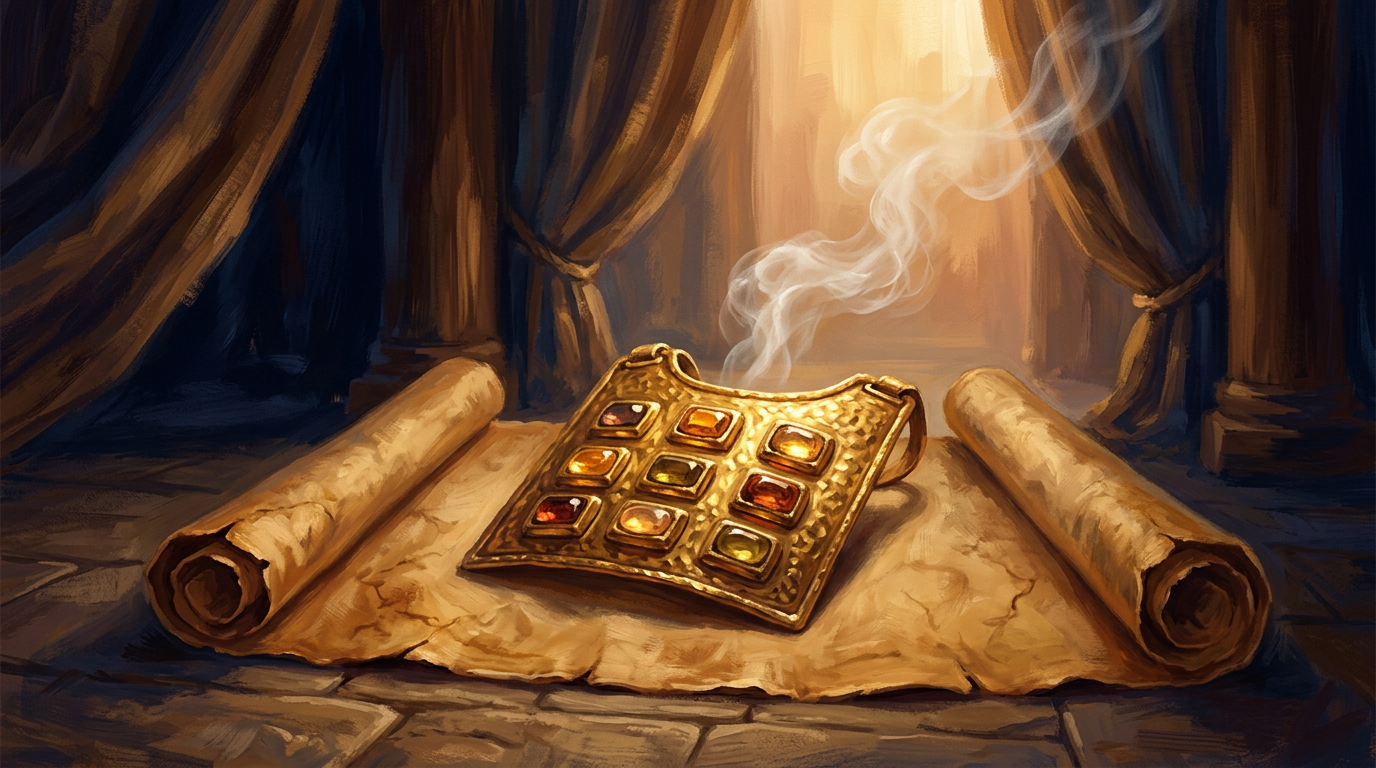
Leviticus often stands as a daunting doorway for those journeying through the Pentateuch, yet it holds the vital blueprint for how a redeemed people live in the presence of a holy God. As you engage with our word search puzzle, you are doing more than just finding hidden letters; you are retracing the steps of the Israelites at the base of Mount Sinai. This book transforms the abstract concept of worship into tangible actions, from the aromatic offerings at the bronze altar to the rhythmic cycles of the sacred calendar. By focusing on the specific vocabulary of the Tabernacle, this activity invites you to slow down and appreciate the intricate details of ancient devotion. Leviticus reminds us that every aspect of life, no matter how small, can be set apart for a higher purpose.
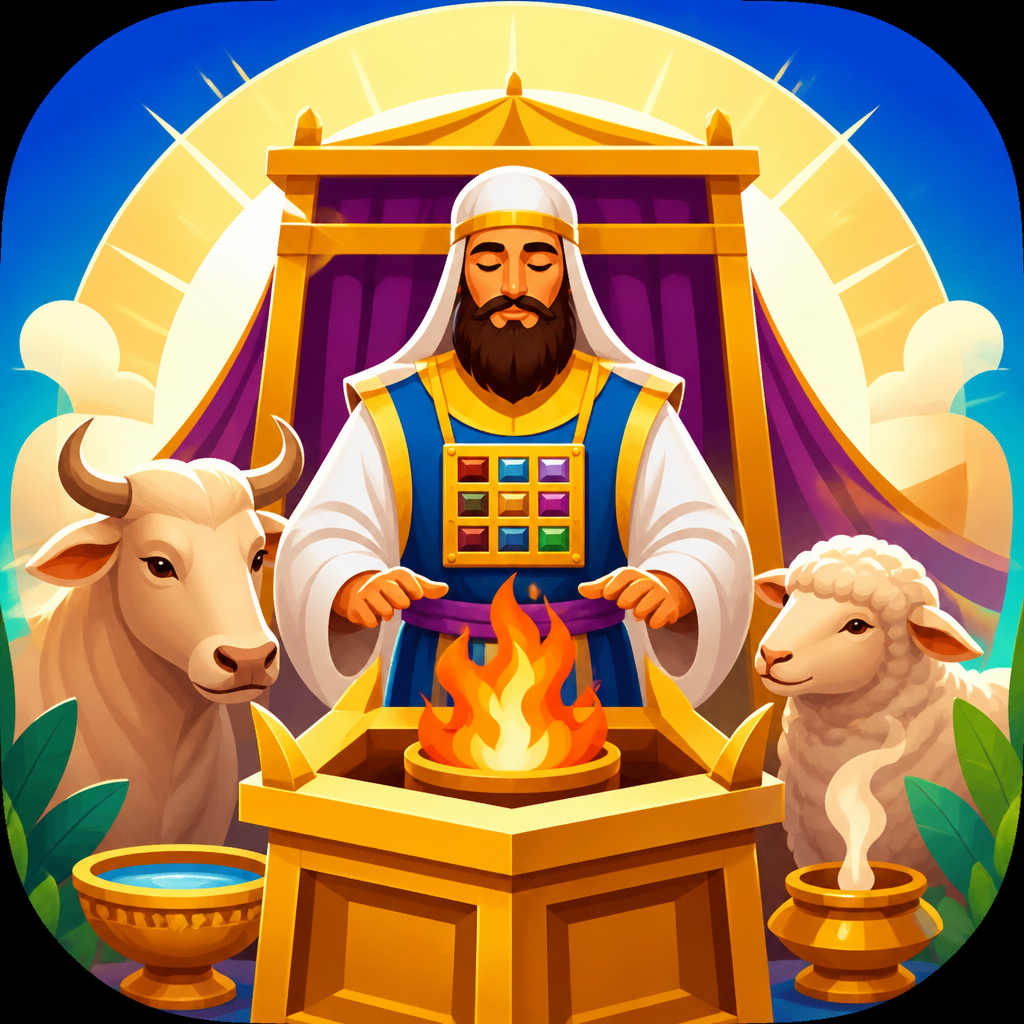
Understanding the Levitical Priesthood and Law
Traditionally attributed to Moses, the Book of Leviticus was recorded during the year the Israelites camped at the foot of Mount Sinai, approximately 1445 B.C. While Exodus describes the construction of the Tabernacle, Leviticus provides the manual for the service that takes place within it. It serves as the third book of the Torah, positioned at the very heart of the Pentateuch. The literary style is predominantly legislative, consisting of divine speeches delivered by God to Moses from the Tent of Meeting. Unlike the narrative-heavy books surrounding it, Leviticus focuses on the 'Torat Kohanim' or the 'Instruction for the Priests.' It establishes the Levites as the guardians of the sanctuary and details the precise methods for maintaining ritual purity. This legal framework was essential for a nomadic nation transitioning from Egyptian bondage to a self-governing society under a theocratic covenant. Historically, it reflects the transition from a family-based sacrificial system seen in Genesis to a national, centralized priesthood that would define Jewish identity for centuries to come.
The Pursuit of Holiness and the Day of Atonement
The central theme of Leviticus is summarized in the command to 'be holy, for I am holy.' This pursuit of sanctity is woven through every chapter, most notably in the distinction between the 'clean' and the 'unclean.' One of the most significant events described is the Day of Atonement, or Yom Kippur, found in Chapter 16. This was the only day of the year when the High Priest entered the Holy of Holies to make an offering for the nation's collective sins. Another unique feature is the Holiness Code found in Chapters 17 through 26, which expands the concept of worship into social justice and ethical behavior, such as leaving harvest gleanings for the poor. The book also introduces the concept of the Jubilee in Chapter 25, a radical economic reset where debts were forgiven and land was returned to its original owners. Through the five primary offerings—burnt, grain, peace, sin, and guilt—the text illustrates the complexity of the human relationship with the Divine, emphasizing that reconciliation requires both a physical sacrifice and a sincere heart.
Questions People Ask About Leviticus
Who wrote the book of Leviticus and when?
Bible scholars and historical tradition attribute the authorship of Leviticus to Moses. The book was likely written during the Israelites' wilderness journey, specifically while they were encamped at Mount Sinai, around 1445 B.C. The text itself frequently begins sections with the phrase 'And the Lord spake unto Moses,' indicating the divine origin of the laws as communicated through the prophet.
What is the main message of Leviticus?
The core message of Leviticus is the holiness of God and the requirement for His people to be holy. It teaches that because God is perfectly pure, those who dwell in His presence must be cleansed from sin and ritual impurity. It provides a way for flawed humanity to approach a holy Creator through the system of priesthood and sacrifice.
What are the five offerings in Leviticus?
Leviticus chapters 1 through 7 detail five specific types of offerings: the Burnt Offering (total dedication), the Meat or Grain Offering (tribute and gratitude), the Peace Offering (fellowship), the Sin Offering (unintentional sin), and the Trespass or Guilt Offering (restitution for specific wrongs). Each served a unique role in the Israelite worship system.
What does Leviticus say about the Year of Jubilee?
Found in Leviticus 25, the Year of Jubilee occurred every fifty years. It was a time of liberty when slaves were set free, debts were cancelled, and ancestral lands were returned to their original families. It served as a reminder that the land belonged to God and that the people were merely stewards.
Why is the book called Leviticus?
The name 'Leviticus' comes from the Greek Septuagint title 'Leueitikon,' which means 'pertaining to the Levites.' While the book contains laws for all Israelites, it focuses heavily on the duties of the priests, who were all members of the tribe of Levi, regarding the Tabernacle rituals.
Words to Look For in This Puzzle
A curated list of names, places, and themes from Leviticus.
Verses to Reflect On
“Speak unto all the congregation of the children of Israel, and say unto them, Ye shall be holy: for I the Lord your God am holy.”
“For the life of the flesh is in the blood: and I have given it to you upon the altar to make an atonement for your souls: for it is the blood that maketh an atonement for the soul.”
“Thou shalt not avenge, nor bear any grudge against the children of thy people, but thou shalt love thy neighbour as thyself: I am the Lord.”
As you search for these terms within our Leviticus puzzle, may you find yourself reflecting on the intentionality of God’s law. Each word represents a thread in the tapestry of holiness that God wove for His people. While the ancient sacrificial system has passed, the principles of devotion, justice, and reverence found in Leviticus remain timeless. This puzzle is designed to help you memorize the key elements of the Tabernacle and the Priesthood, making the text more accessible for your personal study. We hope this activity brings a sense of peace and a deeper appreciation for the sacred rhythms of the Bible.
Frequently Asked Questions
Is this Leviticus word search puzzle free to use?
Yes, our Bible word search puzzles are completely free for personal use, Sunday school classes, and small group studies. We believe in making scriptural engagement accessible to everyone.
Can I print the Leviticus puzzle for my church group?
Absolutely! You can easily print the puzzle directly from your browser. It is formatted to fit standard paper sizes, making it a perfect handout for a lesson on the Old Testament.
What age group is this Leviticus puzzle intended for?
This puzzle is designed for a general audience, including older children, teens, and adults. It uses significant theological terms from Leviticus that provide great talking points for family study.
Where can I read the full text of Leviticus online?
You can read the full King James Version of Leviticus on various reputable sites like BibleGateway or Blue Letter Bible. We recommend following along in your own Bible as you solve the puzzle.
More Bible puzzles

Puzzle powered by WordSearch.Life