Matthew Word Search
Enhance your study of the First Gospel with our Matthew Bible puzzle. Explore the Sermon on the Mount and the life of Christ through original scripture study.
Walking through the pages of the first book of the New Testament offers a unique vantage point on the life of Jesus Christ as the promised Messiah. Matthew serves as a vital bridge between the Old and New Testaments, meticulously documenting how ancient prophecies found their ultimate fulfillment in the person of Jesus. As you prepare to engage with our Gospel-themed word search, you are doing more than just finding hidden letters; you are retracing the steps of the King from His humble birth in Bethlehem to His glorious resurrection. This puzzle is designed to help families and students of the Word internalize the names, places, and core teachings that define this pivotal Gospel account. By focusing on the specific vocabulary of Matthew, we hope to enrich your personal quiet time and foster a deeper appreciation for the structured beauty of the Word.
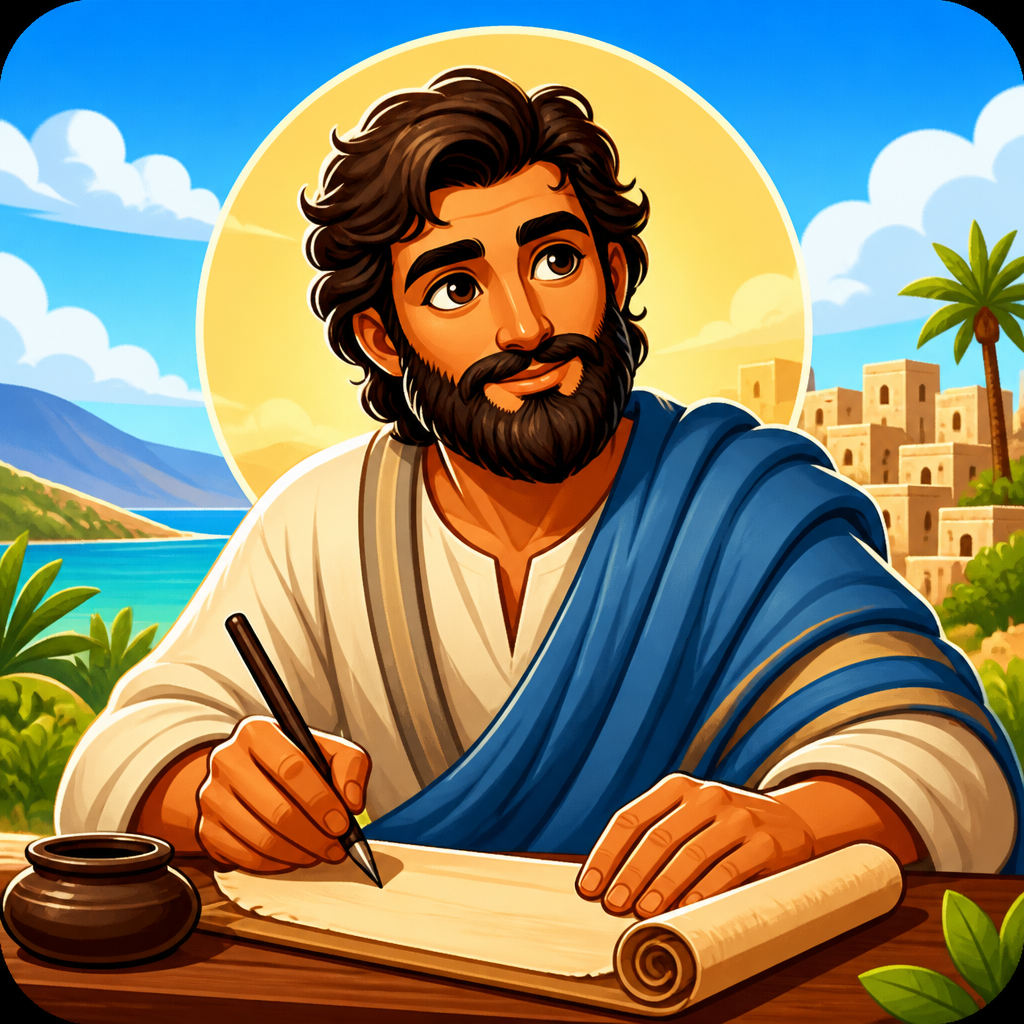
The Gospel According to Matthew
The Gospel of Matthew has traditionally been attributed to Levi, the tax collector who left his booth to follow Jesus. Though the text itself is anonymous, early church fathers like Papias and Irenaeus consistently linked it to Matthew. Written likely between 50 and 70 AD, this Gospel was specifically crafted for a Jewish audience, emphasizing Jesus' legal right to the throne of David. This intent is evident from the very first chapter, which provides a detailed genealogy tracing Christ’s lineage through the kings of Judah. Matthew is highly structured, revolving around five major discourses that echo the five books of the Pentateuch, positioning Jesus as the new and greater Moses who provides the definitive interpretation of the Law. The book is unique for its frequent use of the phrase 'Kingdom of Heaven,' a reverent Jewish alternative to 'Kingdom of God.' Throughout its twenty-eight chapters, Matthew meticulously cites Hebrew Scripture, using the recurring phrase 'that it might be fulfilled' to prove that Jesus is indeed the long-awaited Savior of Israel and the world.
Major Narratives and Divine Themes
Matthew is renowned for containing the most comprehensive collection of Jesus' teachings, most notably the Sermon on the Mount found in chapters five through seven. This discourse introduces the Beatitudes, a series of blessings that redefine what it means to be a citizen of God's kingdom. Another distinguishing feature of Matthew is the emphasis on the Church; it is the only Gospel to use the Greek word 'ekklesia' (church), specifically in chapters 16 and 18. The narrative also includes exclusive accounts such as the visit of the Magi in chapter 2, the dream of Pilate’s wife, and the unique details surrounding the guard at the tomb. Character-wise, Matthew portrays Peter prominently, highlighting his confession of faith at Caesarea Philippi. Theologically, the book stresses the Great Commission in chapter 28, where the resurrected Christ commands His followers to make disciples of all nations. This concludes the Gospel on a note of universal mission, showing that while Jesus came as the King of the Jews, His authority and salvation extend to every corner of the earth, fulfilling the promise made to Abraham that all families would be blessed through his seed.
Questions People Ask About Matthew
What is the main message of the Book of Matthew?
The primary message of Matthew is that Jesus Christ is the King of Kings and the promised Messiah who fulfills the Old Testament Law and Prophets. The book focuses on the 'Kingdom of Heaven,' demonstrating that Jesus has the authority to rule over hearts and nations. It bridges the gap between the Old Covenant and the New, showing how Jesus’ life, death, and resurrection provide the ultimate sacrifice for sin and the foundation for the new community of faith, the Church.
Why did Matthew write his Gospel for a Jewish audience?
Matthew wrote to convince his fellow Jews that Jesus was the fulfillment of their scriptures. He emphasizes Jesus' lineage from David and Abraham in Matthew 1:1 and frequently quotes Old Testament prophecies to show how Jesus’ birth, ministry, and suffering were foretold. By using Jewish terminology and focusing on the Law, Matthew addressed the specific cultural and theological concerns of his people, proving that following Jesus was the natural continuation of their ancestral faith.
What are the five discourses in Matthew?
Matthew is structured around five major sermons: the Sermon on the Mount (chapters 5-7), the Missionary Discourse (chapter 10), the Parables of the Kingdom (chapter 13), the Discourse on the Church (chapter 18), and the Olivet Discourse (chapters 24-25). Each discourse ends with a similar transition phrase, 'when Jesus had ended these sayings,' signaling a shift back to narrative. This five-fold structure mirrors the five books of Moses, presenting Jesus as the ultimate teacher of God’s people.
How does Matthew portray Jesus compared to the other Gospels?
While Mark shows Jesus as the Servant and Luke as the Son of Man, Matthew uniquely portrays Jesus as the King and the Teacher. He focuses on Christ’s authority to interpret the Law, often using the formula 'You have heard it said... but I say to you.' Matthew also emphasizes the 'Emmanuel' theme—God with us—starting in chapter 1 and concluding with Jesus' promise to be with His disciples until the end of the age in chapter 28.
What parables are unique to the Gospel of Matthew?
Matthew contains several parables not found in the other Gospels, including the Parable of the Tares (13:24-30), the Unforgiving Servant (18:23-35), the Laborers in the Vineyard (20:1-16), the Two Sons (21:28-32), the Ten Virgins (25:1-13), and the Sheep and the Goats (25:31-46). These stories often emphasize the themes of judgment, readiness for the King's return, and the ethical requirements of living within the Kingdom of Heaven.
Words to Look For in This Puzzle
A curated list of names, places, and themes from Matthew.
Verses to Reflect On
“Let your light so shine before men, that they may see your good works, and glorify your Father which is in heaven.”
“Come unto me, all ye that labour and are heavy laden, and I will give you rest.”
“Go ye therefore, and teach all nations, baptizing them in the name of the Father, and of the Son, and of the Holy Ghost.”
We hope this deep dive into the Gospel of Matthew inspires you as you solve our latest Bible word search. Each term you find represents a piece of the grand tapestry of Christ’s life and His sovereign reign. As you scan the grid for names like Emmanuel or places like Golgotha, take a moment to reflect on the weight of these words and the history they carry. The book of Matthew is a call to discipleship and a reminder of God's faithfulness to His promises. Whether you are playing for fun or using this as a teaching tool for your family, may the truths of the First Gospel settle deeply into your heart today.
Frequently Asked Questions
Is this Matthew word search free to download and print?
Yes, our Matthew word search is completely free for personal use, Sunday Schools, or small groups. You can easily print it directly from your browser to enjoy a screen-free study session with your family.
What age group is this Matthew puzzle designed for?
This puzzle is perfect for ages 8 and up. While younger children can enjoy finding the words, the theological themes and vocabulary provide a meaningful challenge for teens and adults who want to test their knowledge of Matthew.
Where can I read the full book of Matthew online?
The entire Gospel of Matthew is available for free on various reputable Bible websites like BibleGateway or Blue Letter Bible. We recommend the King James Version for matching the vocabulary found in our puzzles.
Does this puzzle cover all 28 chapters of Matthew?
While no single word search can include every detail, this puzzle highlights the most significant themes, names, and events spanning from the genealogy in chapter 1 to the Great Commission in chapter 28.
More Bible puzzles

Puzzle powered by WordSearch.Life