Revelation Word Search
Dive into the Book of Revelation with our Bible word search. Learn about John's vision on Patmos, the seven seals, and the New Jerusalem through engaging puzzles.
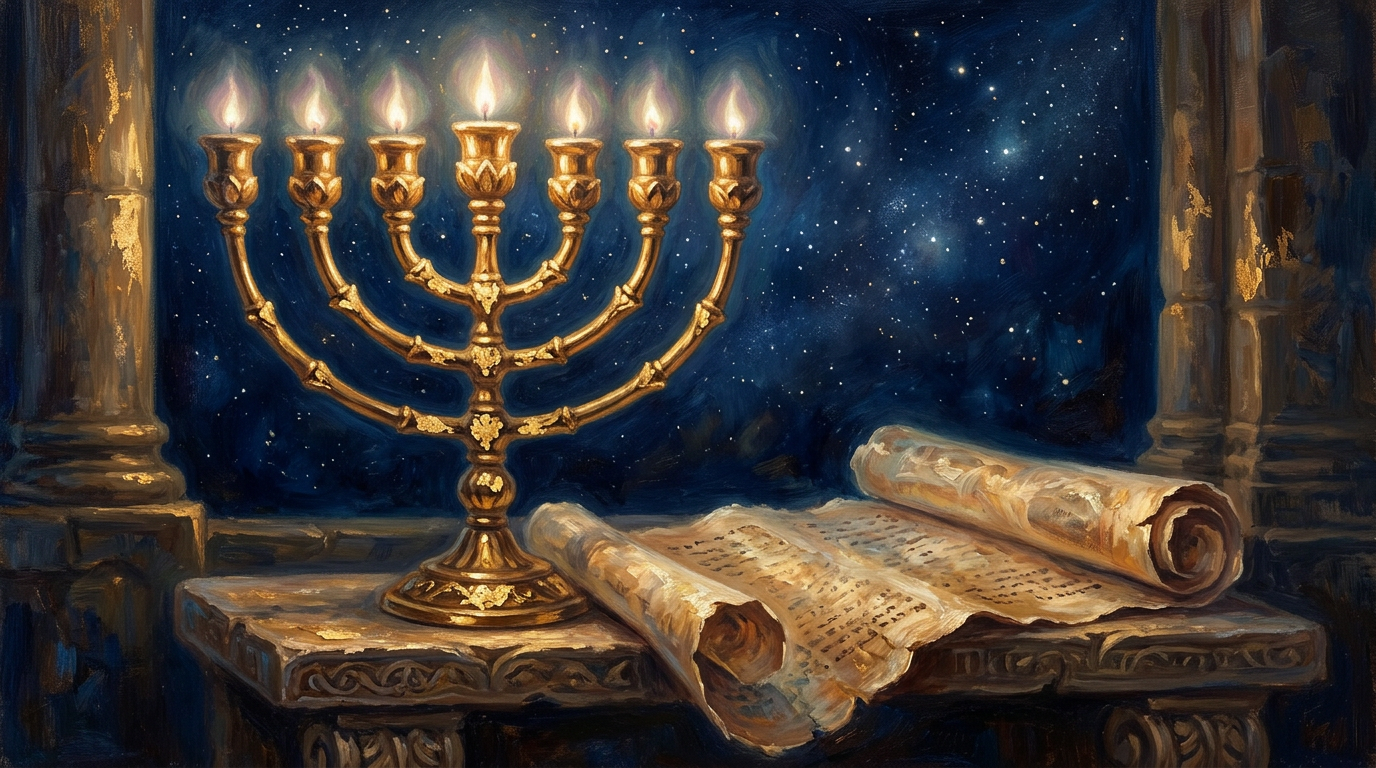
The Book of Revelation stands as the final, majestic heartbeat of Holy Scripture, offering a breathtaking glimpse into the spiritual realm and the culmination of history. For many, its vivid imagery and profound symbolism feel like a complex mystery waiting to be unraveled. This Revelation puzzle page is designed to bridge the gap between deep theological study and joyful discovery, providing families and students of the Word a creative way to engage with John’s prophetic vision. As you search for names, places, and sacred objects hidden within our word search, you are doing more than just playing a game; you are internalizing the vocabulary of hope and victory that defines this unique biblical book. Let each found word prompt a moment of reflection on the sovereignty and beauty of the King of kings.
An Introduction to the Apocalypse of John
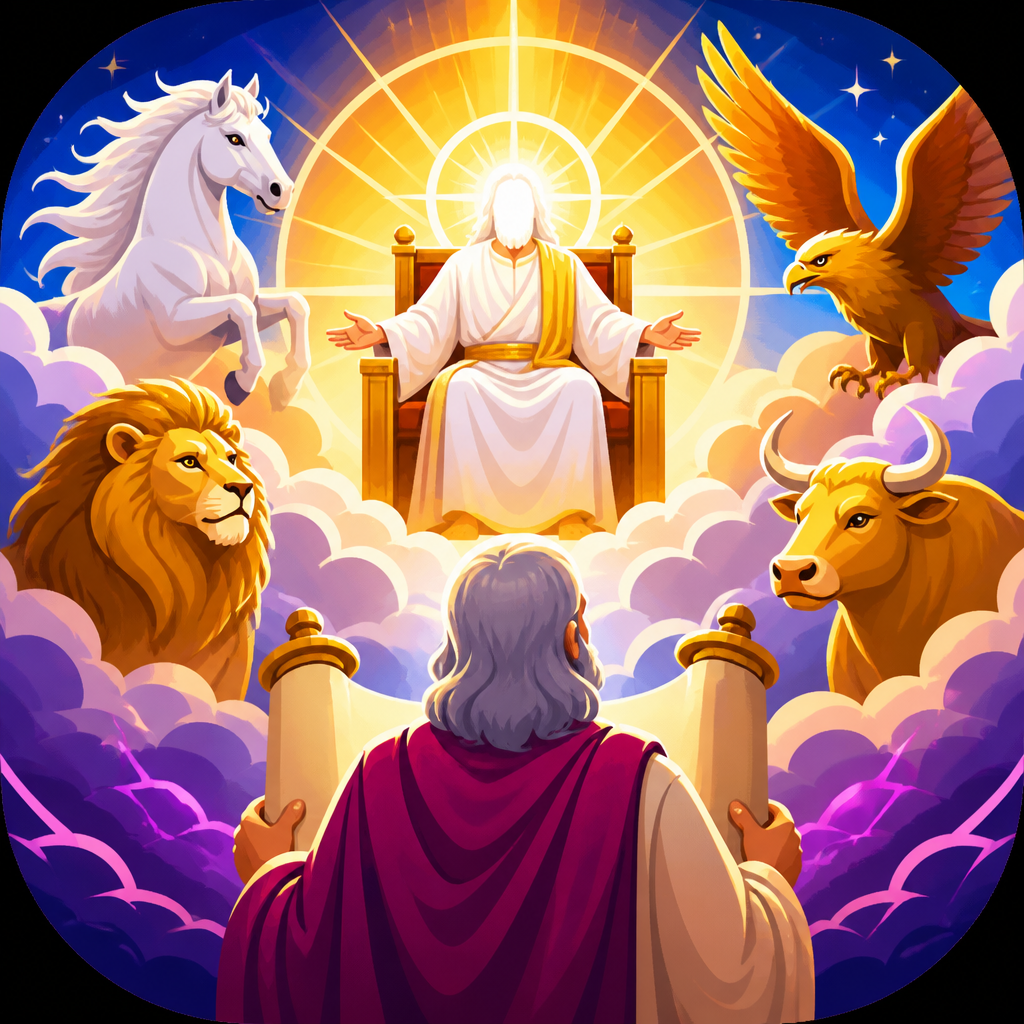
Revelation, or the Apocalypse, serves as the grand finale of the New Testament canon. Traditionally attributed to the Apostle John during his exile on the rocky island of Patmos, the book was likely written in the late first century, around 95 AD, during the reign of the Roman Emperor Domitian. At this time, early Christians faced significant pressure and sporadic persecution, making the book’s message of ultimate divine justice incredibly relevant. Written in the 'apocalyptic' literary style, it utilizes highly symbolic language, cosmic imagery, and heavenly cycles to communicate spiritual truths. It is addressed specifically to seven historical churches in Asia Minor—Ephesus, Smyrna, Pergamos, Thyatira, Sardis, Philadelphia, and Laodicea. While many focus solely on its predictions of the future, Revelation is fundamentally a 'revelation of Jesus Christ,' revealing His glory, His authority over the nations, and His role as the Lamb of God who was slain but now lives forevermore. It sits at the end of the Bible not just chronologically, but logically, as it resolves the narrative arc that began in Genesis, moving from a lost paradise to a restored and eternal city where God dwells directly with His people.
Visions of Victory and the New Creation
The narrative of Revelation is structured around a series of dramatic visions granted to John. It begins in Chapter 1 with a magnificent description of the glorified Christ standing among seven golden candlesticks. The middle section of the book, spanning Chapters 6 through 16, detail the opening of the seven seals, the blowing of the seven trumpets, and the pouring out of the seven vials, representing God's righteous judgments and the call to repentance. Key figures emerge throughout these chapters, including the four horsemen and the woman clothed with the sun. A central theological theme is the 'Lamb upon the throne,' emphasizing that Christ’s victory was won through His sacrifice. In Chapters 19 and 20, the text describes the triumphant return of Christ as the Word of God and the final defeat of the dragon and all forces of darkness. The book reaches its emotional and spiritual peak in Chapters 21 and 22, which describe the New Jerusalem. Here, the curse of the Fall is finally reversed; there is no more sea, no more tears, and no more death. The theme of 'overcoming' is woven throughout, encouraging believers to remain faithful unto death to receive the crown of life.
Questions People Ask About Revelation
Who wrote the Book of Revelation and where?
The book was written by a man named John, traditionally identified as the Apostle John, the son of Zebedee. He recorded his visions while in exile on the island of Patmos, a small, rocky Greek island in the Aegean Sea, 'for the word of God, and for the testimony of Jesus Christ' as stated in Revelation 1:9.
What is the meaning of the seven churches in Revelation?
The seven churches (Ephesus, Smyrna, Pergamos, Thyatira, Sardis, Philadelphia, and Laodicea) were actual historical congregations in the Roman province of Asia. In Revelation 2-3, Jesus sends specific messages to each, praising their strengths, rebuking their failings, and offering promises to those who overcome, serving as a timeless blueprint for church health.
What does the Lamb represent in Revelation?
The Lamb is the primary title for Jesus Christ in Revelation, appearing nearly 30 times. It represents His sacrificial death as the perfect atonement for sin. In Revelation 5:6, John sees a 'Lamb as it had been slain,' signifying that Christ's power and victory are rooted in His humility and substitutionary sacrifice on the cross.
What is the New Jerusalem in Revelation 21?
The New Jerusalem is described as a holy city descending from heaven, characterized by its immense beauty and the absence of a physical temple. Revelation 21:3 explains its significance: 'the tabernacle of God is with men, and he will dwell with them.' It represents the final, perfect dwelling place where God and His people are united eternally.
Why is Revelation called the Apocalypse?
The word 'Apocalypse' comes from the Greek word 'apokalypsis,' which means 'unveiling' or 'revelation.' It refers to the pulling back of a curtain to show spiritual realities and truths that are otherwise hidden from human view, specifically regarding Christ’s victory and the end of the age.
Words to Look For in This Puzzle
A curated list of names, places, and themes from Revelation.
Verses to Reflect On
“I am Alpha and Omega, the beginning and the ending, saith the Lord, which is, and which was, and which is to come, the Almighty.”
“Behold, I stand at the door, and knock: if any man hear my voice, and open the door, I will come in to him, and will sup with him, and he with me.”
“And God shall wipe away all tears from their eyes; and there shall be no more death, neither sorrow, nor crying, neither shall there be any more pain: for the former things are passed away.”
Engaging with the Book of Revelation through our word search offers a unique opportunity to slow down and consider the powerful vocabulary of the Bible's final chapter. As you find each word, let the themes of endurance, holiness, and the ultimate triumph of good over evil resonate in your heart. This book was written to give hope to those facing difficult times, reminding us that the story of humanity ends with the glorious presence of God. We invite you to print this puzzle or solve it online as a way to refresh your spirit and deepen your appreciation for Revelation. May the words of this prophecy inspire you to look upward and find peace in Christ’s promised return.
Frequently Asked Questions
Is this Revelation word search suitable for children?
Absolutely. While the Book of Revelation contains complex themes, this word search focuses on the beautiful imagery, city names, and titles of Christ. It is a engaging for all ages way to introduce younger readers to the vocabulary of the Bible's final book without overwhelming them.
Can I print this puzzle for my Sunday School class?
Yes, our Revelation puzzles are designed to be easily playable online. They make excellent supplemental material for Bible studies, homeschool curriculum, or church bulletins, helping students engage with the text in a tactile and focused way.
Where can I find the full text of Revelation to help me solve this?
The entire Book of Revelation is available in the King James Version (KJV) at various online Bible portals or in any standard physical Bible. It contains 22 chapters and is the very last book of the New Testament.
Are there other Bible-themed puzzles available here?
Yes, we offer a wide variety of puzzles covering both the Old and New Testaments. After completing the Revelation word search, you can explore puzzles on the Gospels, the Psalms, or the lives of the various Apostles.
More Bible puzzles
Puzzle powered by WordSearch.Life