Psalms Word Search
Explore the Book of Psalms with our daily Bible puzzle. Discover King David’s poetic legacy and find peace in these timeless ancient Hebrew hymns.
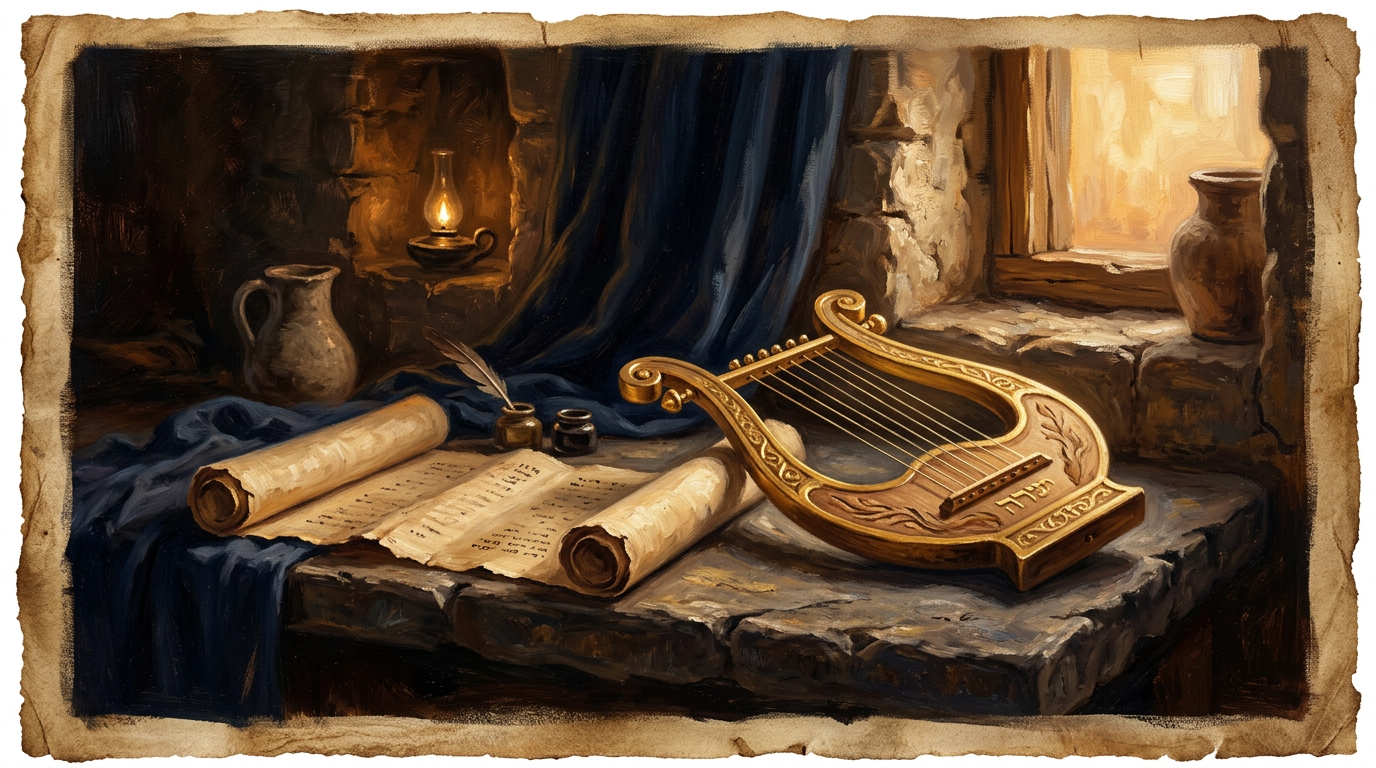
The Book of Psalms serves as the heartbeat of biblical poetry, offering a profound mirror to the human soul in its highest joys and deepest sorrows. As you engage with today’s word search, you are doing more than just finding letters; you are retracing the rhythmic steps of ancient worshippers who sought God’s face in the wilderness, the temple, and the palace. This daily edition is designed to slow your pace, inviting you to meditate on the rich vocabulary of the Hebrew psalter while sharpening your focus. Whether you are a scholar of the scriptures or simply seeking a moment of quiet reflection, these hidden words connect you to a legacy of praise that has echoed through the centuries. Let each discovered term be a prompt for prayer as you navigate the timeless melodies of the Bible’s longest book.
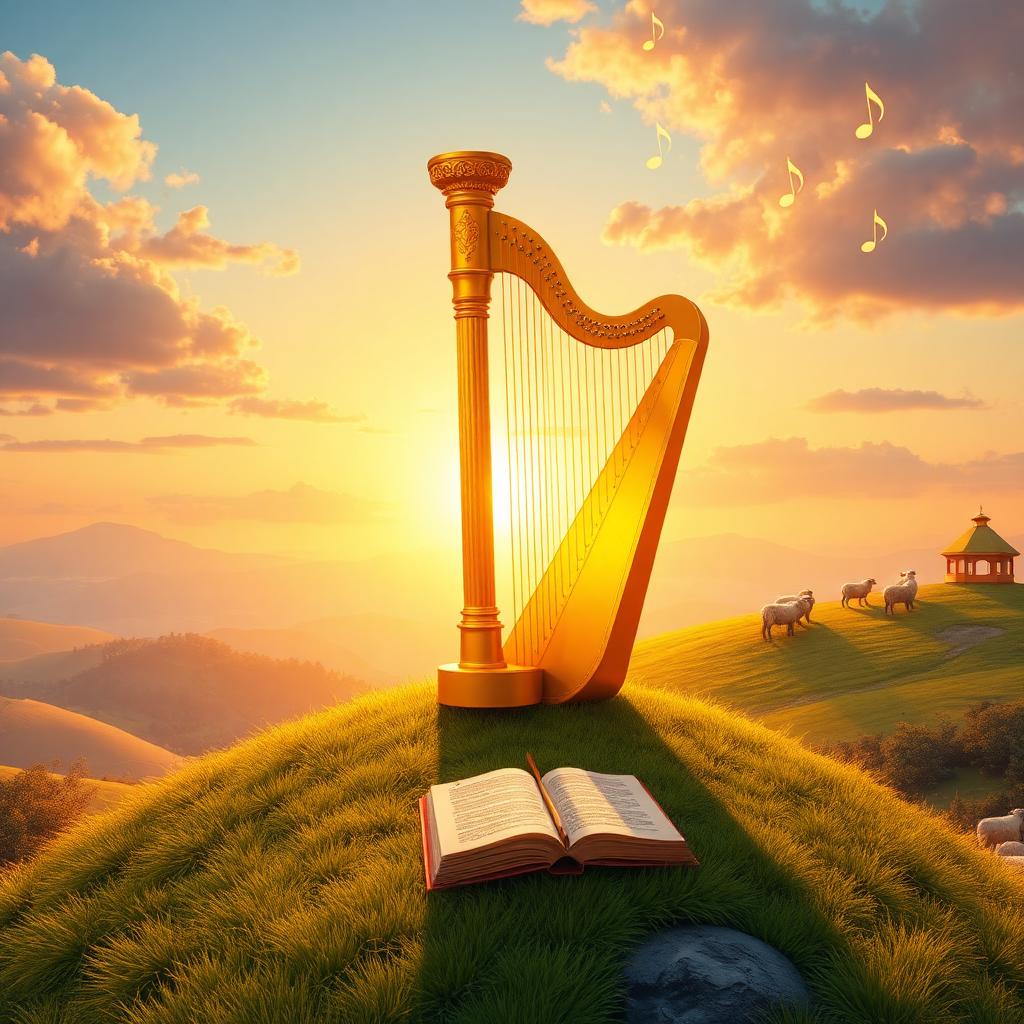
Understanding the Psalter's Ancient Origins
The Book of Psalms, known in Hebrew as Tehillim or 'Praises,' is a sophisticated collection of 150 individual poems composed over approximately five centuries. While King David is traditionally credited with seventy-three of these songs, the collection also features the voices of Moses, Solomon, the sons of Korah, and Ethan the Ezrahite. Historically, the compilation reached its final form following the Babylonian exile, around the 5th century BC, serving as the liturgical prayer book for the Second Temple in Jerusalem. It is uniquely structured into five distinct 'books,' mirroring the five books of the Torah, which suggests a deliberate editorial hand intending to present the Psalms as a new kind of instruction for the heart. These compositions were originally set to music, utilizing instruments like the kinnor (lyre) and the nevel (harp). The literary styles within vary from technical acrostics, where each line begins with a successive letter of the alphabet, to parallelisms that repeat or contrast ideas to deepen their theological impact. Positioned in the middle of the biblical canon, Psalms bridges the historical narratives of Israel’s kings with the wisdom literature of the prophets, creating a timeless manual for communal and personal devotion.
The Diverse Voices of Lament and Praise
The theological landscape of Psalms is remarkably vast, moving from the quiet confidence of a shepherd in Psalm 23 to the agonizing cry of abandonment in Psalm 22. One primary theme is the Kingship of God, where the Creator is depicted as the sovereign judge over all nations, notably emphasized in the 'Enthronement Psalms' like Psalm 93 and 97. Another critical element is the Messianic hope; many passages, such as the 'stone which the builders refused' in Psalm 118, are viewed by Christians as direct foreshadowings of Jesus Christ. The collection also grapples with the problem of evil through 'Imprecatory Psalms,' where the writer honestly pours out frustrations regarding injustice, and 'Penitential Psalms' like Psalm 51, where David seeks cleansing after his sin with Bathsheba. Throughout the book, there is a recurring contrast between the 'Way of the Righteous' and the 'Way of the Ungodly,' a theme established in the very first chapter. Nature also plays a starring role, with Psalm 19 famously declaring that the heavens tell of God’s glory. These themes are not merely abstract concepts but are presented as lived experiences, teaching the reader that every human emotion—from righteous anger to ecstatic joy—has a legitimate place in the presence of the Almighty.
Questions People Ask About Psalms
Who wrote the Book of Psalms?
While often called the 'Psalms of David,' the book is an anthology of several authors. David wrote 73 psalms, but others are attributed to Asaph (12), the sons of Korah (11), Solomon (2), Heman (1), Ethan (1), and even Moses (Psalm 90). About 50 psalms are anonymous, sometimes referred to as 'orphan psalms.' This diversity shows that the book represents the collective worship of the entire nation of Israel across many different generations.
What is the shortest and longest chapter in the Bible?
Both of these milestones are found within the Book of Psalms. Psalm 117 is the shortest chapter in the entire Bible, consisting of only two verses that call all nations to praise the Lord. Conversely, Psalm 119 is the longest chapter, containing 176 verses. Psalm 119 is an alphabetic acrostic poem where each section focuses on the beauty and necessity of God’s Word and law.
What does Selah mean in the Psalms?
The word 'Selah' appears 71 times in the Psalms and is generally understood as a musical or liturgical sign. While its exact definition is debated by scholars, most believe it signifies a 'pause' or a 'rest.' It likely instructed the singers or musicians to stop and allow the listeners to meditate on the words just spoken, or perhaps signaled a musical interlude where the instruments played more loudly.
What are the different types of Psalms?
Scholars categorize the Psalms into several genres based on their tone and purpose. These include Laments (crying out for help), Thanksgiving (expressing gratitude), Praise (extolling God’s character), Royal Psalms (concerning the king), and Wisdom Psalms (offering moral instruction). There are also 'Songs of Ascent' (Psalms 120–134), which were sung by pilgrims traveling up the mountain to Jerusalem for the major annual festivals.
Why is Psalm 23 so famous?
Psalm 23 is widely beloved because it uses the intimate imagery of a shepherd and his sheep to describe God's personal care. Written by David, who was a shepherd himself, it provides immense comfort during times of grief or fear, particularly the phrase 'though I walk through the valley of the shadow of death.' It emphasizes God's provision, protection, and the promise of eternal dwelling in His house.
Words to Look For in This Puzzle
A curated list of names, places, and themes from Psalms.
Verses to Reflect On
“The LORD is my shepherd; I shall not want.”
“God is our refuge and strength, a very present help in trouble.”
“Thy word is a lamp unto my feet, and a light unto my path.”
As you finish searching for these meaningful terms, we hope the profound depth of the Psalms remains with you throughout your day. These ancient lyrics prove that no matter what you are facing—be it a season of celebration or a time of trial—there is a psalm that speaks directly to your heart’s condition. This Bible word search is a small way to keep the scriptures front and center in your daily routine, combining mental exercise with spiritual refreshment. We invite you to return tomorrow for a new challenge, and perhaps take a moment now to read one of the Psalms you encountered today in its entirety. May the peace of the Great Shepherd guide your steps.
Frequently Asked Questions
Is this Psalms word search free to play?
Yes, all our Bible-themed puzzles are completely free for personal use. We believe that engaging with the Book of Psalms should be accessible to everyone looking for a wholesome and spiritually uplifting activity.
Can I print this puzzle for my Sunday School class?
Absolutely! These puzzles are designed to be engaging for all ages and are perfect for church groups, Christian schools, or personal quiet time. Printing the Psalms puzzle is a great way to help students memorize key biblical vocabulary.
What age group is this daily puzzle for?
The puzzle is designed for all ages. While the vocabulary is taken directly from the Book of Psalms, the format is simple enough for children, yet engaging enough to provide a relaxing challenge for adults and seniors.
Where can I read the full Book of Psalms online?
You can find the Book of Psalms in the King James Version for free on sites like BibleGateway or Blue Letter Bible, which also offer helpful tools to look up the original Hebrew meanings.
More Bible puzzles
Puzzle powered by WordSearch.Life