Psalms Word Search
Enhance your study with our Psalms word search puzzle. Discover the rich history, authorship, and themes of the Bible's great hymnal while you play.
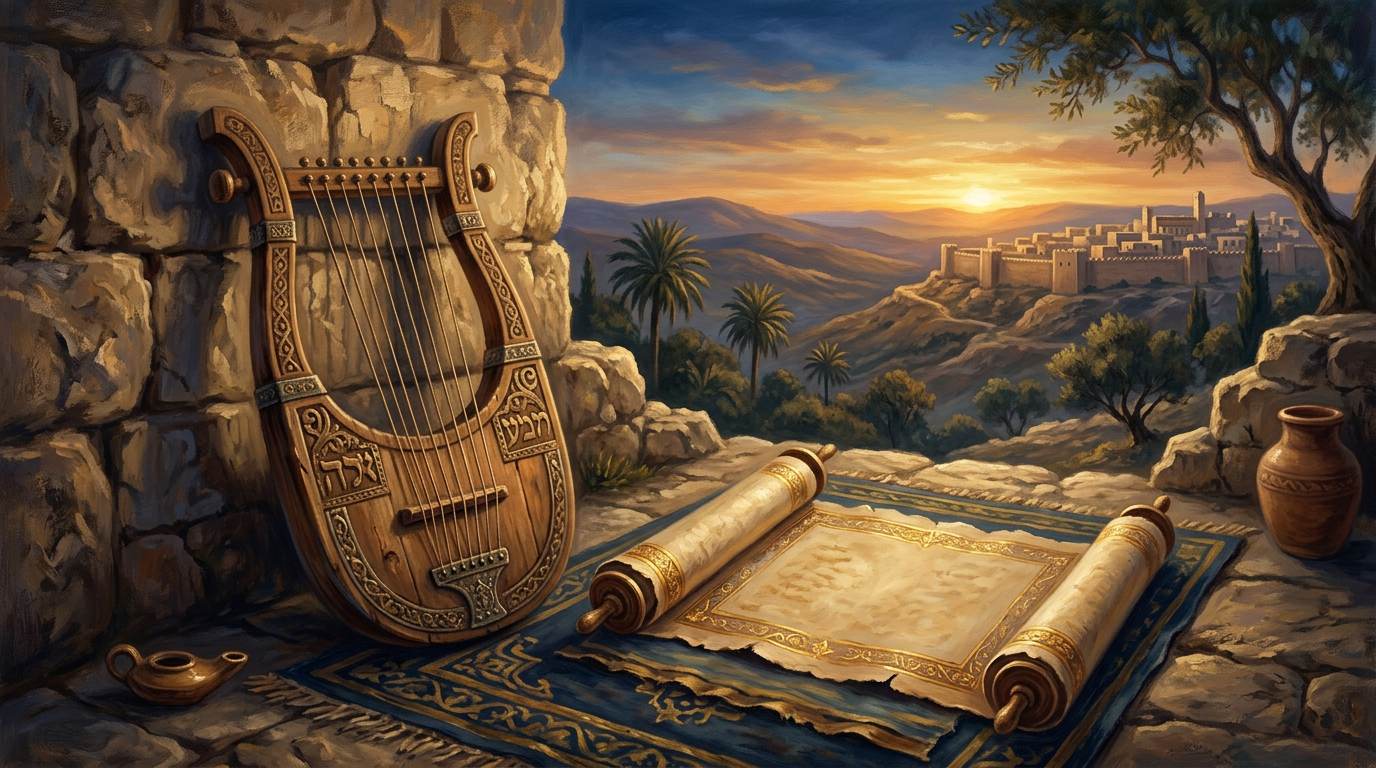
The Book of Psalms serves as the heartbeat of the Holy Scriptures, offering a profound collection of poetry that captures every facet of the human experience. From the heights of joyful celebration to the depths of agonizing lament, these sacred songs have provided a voice for the faithful for thousands of years. As you engage with our Bible word search, you are not merely looking for hidden letters; you are retracing the steps of ancient kings, weary travelers, and temple musicians who found their strength in the presence of the Almighty. This collection invites you to slow down and savor the language of the spirit, turning your puzzle-solving time into a moment of quiet reflection on the most beloved hymnal ever written. Through Psalms, we find that our personal prayers are part of a much larger, eternal chorus.
The Origin and Structure of the Psalter
Commonly known as the Tehillim in Hebrew, meaning 'Praises,' the Book of Psalms is the longest book in the Bible, situated in the third section of the Hebrew canon known as the Ketuvim or 'Writings.' While many instantly associate the entire collection with King David—who is credited with at least 73 individual psalms—the book is actually a diverse anthology composed over several centuries. Other named contributors include Asaph, the sons of Korah, Solomon, Heman, Ethan, and even Moses, who is traditionally credited with Psalm 90. The final compilation likely took place in the post-exilic period, around the 5th or 4th century BC, as the Jewish people returned from Babylon and rebuilt the temple in Jerusalem. Structurally, the book is organized into five distinct 'books' (1–41, 42–72, 73–89, 90–106, and 107–150), a design many scholars believe intentionally mirrors the five books of the Torah. This literary architecture highlights the psalms not just as emotional outbursts, but as a deliberate curriculum for spiritual growth and a manual for communal worship in the ancient tabernacle and temple settings.
Diverse Voices of Lament and Thanksgiving
The Book of Psalms is unique because it contains almost every genre of Hebrew poetry, ranging from royal psalms celebrating the Davidic covenant to wisdom psalms that echo the teachings of Proverbs. A primary theme is the tension between suffering and trust, most notably evidenced in the Psalms of Lament. For example, Psalm 22 begins with a cry of abandonment that famously foreshadows the crucifixion of Christ, yet it concludes with a vow of public praise. Another dominant theme is the sovereignty of God over creation, vividly depicted in Psalm 104, which catalogs the wonders of the natural world from the leviathan in the sea to the cedars of Lebanon. The collection also emphasizes the 'Torah of the Lord,' particularly in the massive acrostic of Psalm 119, where every stanza celebrates the beauty and guidance found in God's statutes. Messianic expectations also weave through the text; Psalm 2 and Psalm 110 are frequently cited in the New Testament to explain the divine authority and eternal priesthood of Jesus. Ultimately, the book moves from the individual struggles of the early chapters toward a grand, symphonic finale in Psalm 150, where everything that has breath is exhorted to praise the Lord.
Questions People Ask About Psalms
Who wrote the most psalms in the Bible?
King David is the primary author, with 73 of the 150 psalms specifically attributed to him in their superscriptions. His contributions reflect his life as a shepherd, a fugitive, and a monarch. Other significant authors include the sons of Korah (11 psalms), Asaph (12 psalms), and Solomon (2 psalms). Historical tradition also suggests that many anonymous psalms may have been authored by David or compiled by Ezra the Scribe during the second temple period.
What is the shortest and longest chapter in the Bible?
Both the shortest and longest chapters in the entire Bible are found within the Book of Psalms. Psalm 117 is the shortest, consisting of only two verses that call all nations to praise the Lord. Conversely, Psalm 119 is the longest chapter, containing 176 verses. Psalm 119 is an alphabetic acrostic, where each section begins with a successive letter of the Hebrew alphabet, focusing entirely on the excellence of God's Word.
What does the word Selah mean in Psalms?
The word 'Selah' appears 71 times in the Psalms and is widely understood by scholars as a liturgical or musical direction. While its exact definition is debated, it most likely indicates a pause, a musical interlude, or a moment for quiet reflection on the preceding words. It signals the reader or singer to stop and weigh the weight of the truth just spoken before moving on to the next stanza of the song.
Why is Psalm 23 the most famous psalm?
Psalm 23 is beloved for its intimate portrayal of God as a Shepherd who provides, guides, and protects. Its imagery—green pastures, still waters, and the valley of the shadow of death—resonates deeply with the human need for security and comfort. Because it promises God's presence even in the face of death ('for thou art with me'), it has become the standard text for funerals, hospital visits, and moments of personal crisis.
What are the imprecatory psalms?
Imprecatory psalms are those that contain prayers for God's judgment upon enemies, such as Psalm 69 or Psalm 109. Rather than suggesting personal vengeance, these psalms are honest expressions of grief and appeals for divine justice in the face of extreme wickedness. They teach the believer to hand their anger over to God, trusting Him to be the righteous judge who rights the wrongs of the world.
Words to Look For in This Puzzle
A curated list of names, places, and themes from Psalms.
Verses to Reflect On
“The LORD is my shepherd; I shall not want.”
“God is our refuge and strength, a very present help in trouble.”
“Thy word is a lamp unto my feet, and a light unto my path.”
As you search for these words and phrases within our puzzle, may the timeless truths of the Psalms settle into your heart. This book has been a companion to the brokenhearted and a songbook for the joyful for millennia, proving that no matter what we face, God is listening. We hope this word search serves as a peaceful retreat in your day, allowing you to connect with the poetic beauty of the King James Bible in a fresh way. Once you have finished the puzzle, we encourage you to open your own Bible and read through the Book of Psalms, discovering the verses that speak most directly to your current season of life.
Frequently Asked Questions
Is this Psalms word search free to use for my church group?
Yes, our Bible puzzles are designed to be a free resource for families, Sunday school classes, and small groups to enjoy while studying the Word.
Can I print this puzzle to use offline?
Absolutely. This puzzle is print-friendly so you can take it with you on a quiet retreat or share it during a Bible study session on Psalms.
What age group is this Psalms puzzle for?
This puzzle is suitable for all ages, from children learning key biblical terms to adults looking for a relaxing way to meditate on scripture.
Where can I read the full Book of Psalms online?
The Book of Psalms is available in the King James Version on many public domain sites like BibleGateway or Project Gutenberg for further study.
More Bible puzzles
Puzzle powered by WordSearch.Life