Ruth Word Search
Explore the Book of Ruth through our Bible word search. Learn about Naomi, Boaz, and the kinsman-redeemer in this heartwarming story of loyalty.
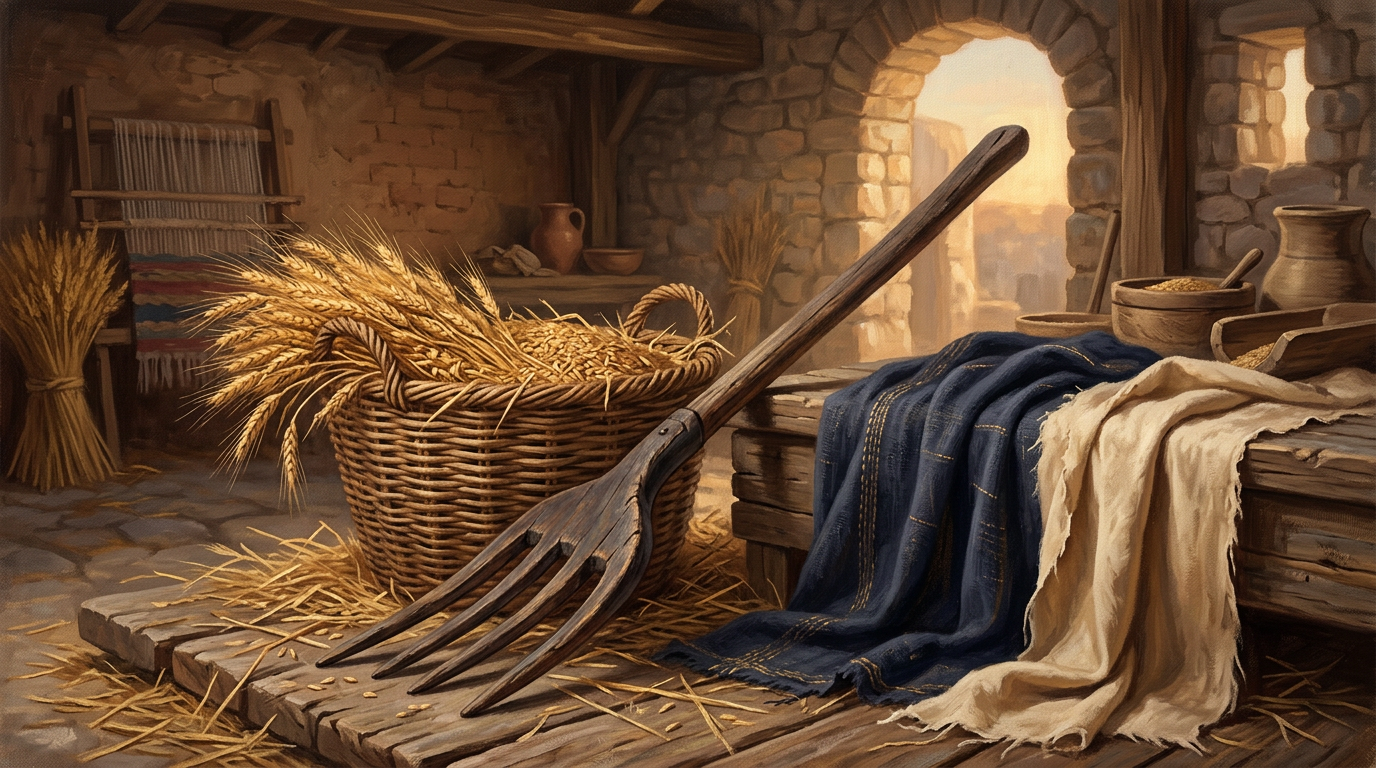
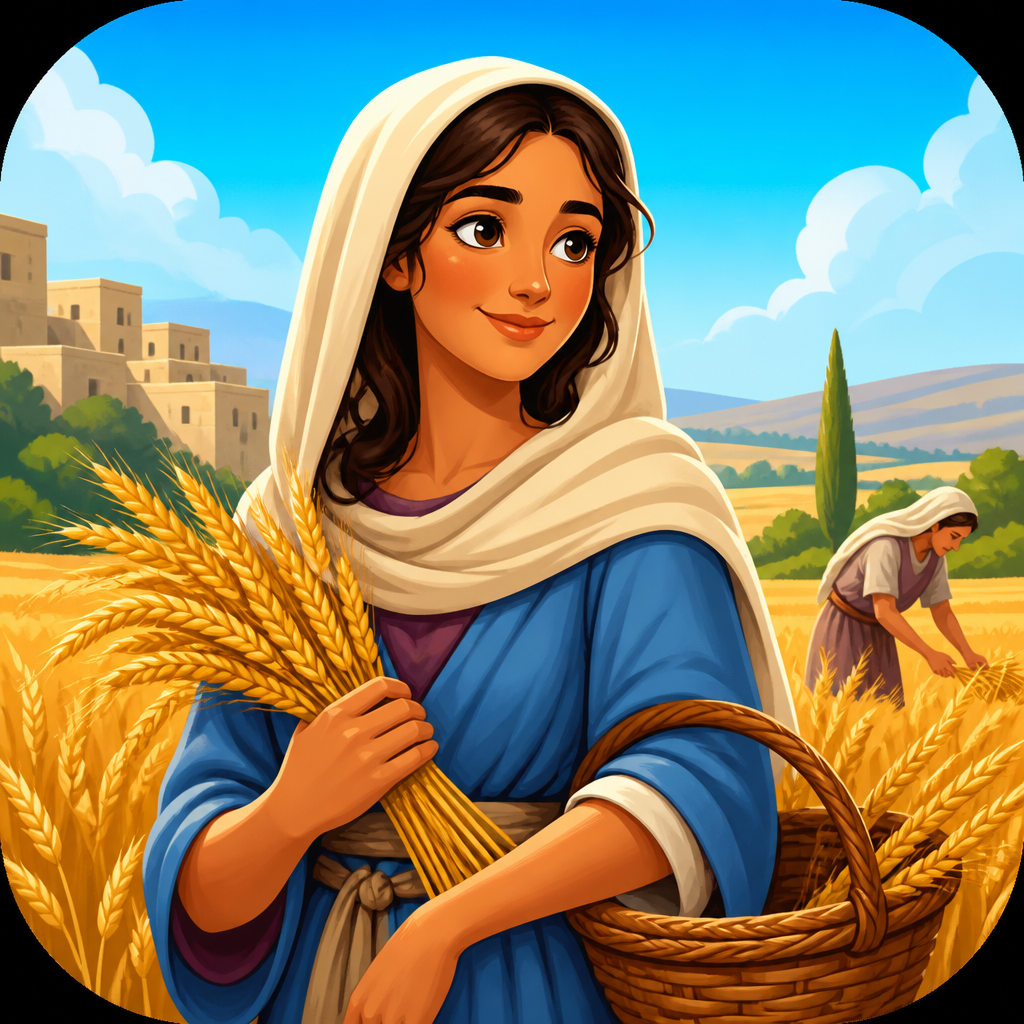
The story of Ruth begins in the dusty fields of Moab and ends in the golden harvest of Bethlehem, offering a beautiful narrative of devotion that bridges the gap between the chaotic era of the Judges and the rise of the Davidic monarchy. As you engage with our Bible word search, you are not just scanning for letters, but retracing the footsteps of a woman whose courage altered the course of history. This puzzle is designed to help families and students of the Word internalize the names and concepts that define this short but profound book. By focusing on the specific vocabulary of the text, we invite a deeper meditation on how ordinary acts of kindness can lead to extraordinary divine outcomes.
Historical Context and Canon of Ruth
The Book of Ruth is a literary masterpiece of the Old Testament, traditionally attributed by Jewish tradition to the prophet Samuel, though its final form likely dates to the early monarchical period. Set during the dark days 'when the judges ruled,' it provides a necessary contrast to the turmoil found in the Book of Judges. Geographically, the narrative moves from the famine-stricken Bethlehem to the pagan land of Moab, and eventually back to the fertile fields of Judah. In the Hebrew Bible, Ruth is placed within the Ketuvim (Writings), often associated with the festival of Shavuot, whereas in the Christian canon, it sits between Judges and 1 Samuel. This placement highlights its vital role in the genealogy of King David. The book is written in a sophisticated prose style, utilizing delicate dialogue and legal terminology regarding property and marriage customs, such as the levirate marriage and the redemption of ancestral land, which were central to ancient Israelite social structures.
Loyalty, Redemption, and Providence
The theological heart of Ruth beats with the concept of 'hesed,' a Hebrew word denoting steadfast, covenantal love. This is most famously demonstrated in Ruth 1, where she refuses to abandon her mother-in-law, Naomi, despite the lack of social security. Another central theme is the Goel, or 'Kinsman-Redeemer.' In Ruth 3 and 4, Boaz acts as this figure, legally purchasing the family land and taking Ruth as his wife to preserve the lineage of the deceased Elimelech. This act of redemption serves as a powerful foreshadowing of Christ's role as the redeemer of humanity. The book also emphasizes divine providence; while God does not speak through thunder or miracles here, His hand is visible in the 'chance' meeting at the threshing floor and the timing of the harvest. Finally, the inclusion of Ruth, a Moabitess, into the lineage of the Messiah (as seen in the closing genealogy of chapter 4) underscores that God’s grace extends beyond national boundaries to all who seek shelter under His wings.
Questions People Ask About Ruth
Who is the author of the book of Ruth?
While the Book of Ruth is technically anonymous, ancient Jewish tradition found in the Talmud (Bava Batra 14b) credits the prophet Samuel with its authorship. Modern scholars often suggest it may have been written or finalized during the reign of King David or Solomon to establish the legitimacy of David's lineage, as the book concludes with a genealogy tracing David back to Perez through Boaz and Ruth.
What is a kinsman redeemer in the Bible?
A kinsman-redeemer (Goel) was a male relative who had the privilege and responsibility to act on behalf of a family member in need. As detailed in Ruth chapters 3 and 4, this involved buying back sold family land or marrying a childless widow to carry on the deceased relative's name. Boaz fulfills this role for Ruth and Naomi, ensuring their survival and the preservation of their inheritance.
Why did Naomi change her name to Mara?
In Ruth 1:20, Naomi tells the women of Bethlehem, 'Call me not Naomi, call me Mara: for the Almighty hath dealt very bitterly with me.' Naomi means 'pleasant' or 'sweet,' while Mara means 'bitter.' This name change reflected her deep grief and perceived loss of God's favor after the deaths of her husband, Elimelech, and her two sons, Mahlon and Chilion, during their ten-year stay in Moab.
Is Ruth mentioned in the genealogy of Jesus?
Yes, Ruth is one of only five women explicitly named in the genealogy of Jesus Christ found in Matthew 1:5. The text states, 'And Salmon begat Booz of Rachab; and Booz begat Obed of Ruth; and Obed begat Jesse.' Her inclusion is significant because she was a Gentile (Moabite) who became an ancestor of David and eventually the Messiah, demonstrating God's inclusive plan of salvation.
What is the significance of the threshing floor in Ruth?
The threshing floor in Ruth 3 is the site of a pivotal legal and romantic encounter. In ancient Israel, it was a flat, open space where grain was separated from chaff. Ruth’s presence there at night was a bold act of faith and a formal request for Boaz to exercise his right as a redeemer, leading to their marriage and the restoration of Naomi's family line.
Words to Look For in This Puzzle
A curated list of names, places, and themes from Ruth.
Verses to Reflect On
“And Ruth said, Intreat me not to leave thee, or to return from following after thee: for whither thou goest, I will go; and where thou lodgest, I will lodge: thy people shall be my people, and thy God my God.”
“The LORD recompense thy work, and a full reward be given thee of the LORD God of Israel, under whose wings thou art come to trust.”
“And the women said unto Naomi, Blessed be the LORD, which hath not left thee this day without a kinsman, that his name may be famous in Israel.”
As you finish this word search, take a moment to reflect on the quiet strength found in Ruth’s story. It is a powerful reminder that no one is an outsider in the eyes of God when they seek Him with a sincere heart. Whether you are solving this puzzle as a Sunday school activity or a personal devotion, may the themes of loyalty and redemption resonate in your own life. The book of Ruth teaches us that even in times of 'famine' and loss, God is working behind the scenes to weave a tapestry of hope. We hope this puzzle brings the harvest fields of Bethlehem a little bit closer to your heart today.
Frequently Asked Questions
Is this Ruth word search suitable for all ages?
Yes, this puzzle is designed for engaging for all ages enjoyment. The vocabulary is taken directly from the KJV text and historical context of Ruth, making it an excellent educational tool for children, teens, and adults alike.
Can I print this Bible puzzle for my church group?
Absolutely. This resource is intended to support community learning and personal study. You are welcome to play the puzzle online for non-commercial use in Sunday schools, small groups, or family game nights.
Where can I read the full Book of Ruth online?
You can find the Book of Ruth in its entirety on major Bible study websites like BibleGateway or Blue Letter Bible. It consists of only four chapters, making it a quick but deeply rewarding read.
Why is the story of Ruth important for Christians today?
Ruth is vital because it illustrates the concept of 'hesed' (kindness/loyalty) and introduces the lineage of Jesus. It reminds believers that God cares for the vulnerable and uses ordinary people to fulfill His grand redemptive plan.
More Bible puzzles



Puzzle powered by WordSearch.Life