2 Peter Word Search
Explore the Book of 2 Peter through our Bible word search. Learn about Peter's final warnings, the transfiguration, and the promise of a new heaven and earth.

Stepping into the second epistle of Peter feels like entering a quiet room where a seasoned apostle shares his final, urgent instructions with his beloved spiritual family. This brief but potent letter serves as a bridge between the foundational teachings of the early church and the enduring hope of Christ's return. As you engage with our 2 Peter word search puzzle, you are doing more than just finding hidden terms; you are meditating on the very words designed to fortify the soul against deception. This specific collection of puzzles was crafted to help readers of all ages internalize the rich vocabulary of virtue, patience, and divine promise that Peter emphasized in his twilight hours. It is an invitation to slow down and let these ancient truths sink deep into your heart.
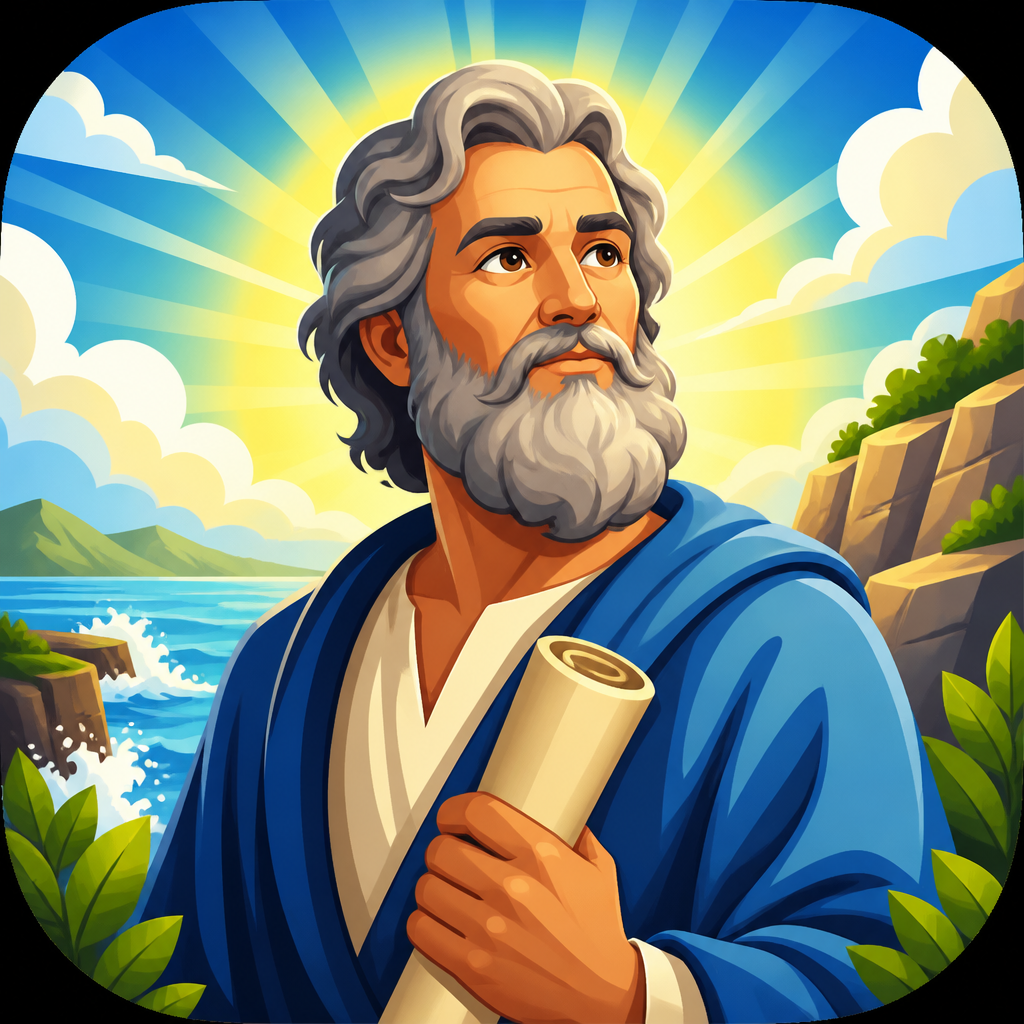
The Historical Context of 2 Peter
The Second Epistle of Peter is traditionally attributed to the Apostle Peter, written shortly before his martyrdom in Rome around AD 65-68. While modern scholars often debate its authorship due to its distinct stylistic differences from 1 Peter, the early church accepted it as a vital testimony of the apostle’s final exhortations. Written to a general audience of believers in Asia Minor, the letter functions as a 'testament,' a literary form used by leaders facing imminent death to pass on their most essential wisdom. Peter writes with a sense of urgency, aware that his 'tabernacle' must soon be put off, as he notes in the first chapter. The book holds a unique place in the New Testament canon, serving as a protective wall against the rising tide of false teachers who sought to distort the gospel through intellectual pride or moral laxity. Its structure moves from the development of Christian character to the refutation of heresy, and finally to a grand vision of the cosmic transformation that awaits the world at the return of the Lord.
Essential Themes and Prophetic Visions
Central to 2 Peter is the theme of 'knowledge'—not merely intellectual data, but a deep, relational understanding of Jesus Christ that leads to godliness. In the opening chapter, Peter provides a ladder of virtues, urging believers to add to their faith things like temperance, patience, and charity. A significant historical anchor in the text is Peter's eyewitness account of the Transfiguration on the holy mount, where he heard the voice of the Father confirming Jesus as His beloved Son. This memory serves as proof that the gospel is not based on 'cunningly devised fables.' The second chapter shifts to a stern warning against false prophets, drawing parallels to the fallen angels, the ancient world of Noah, and the destruction of Sodom and Gomorrah. The letter concludes in chapter 3 with a profound theological reflection on time and eternity, explaining that the apparent delay in Christ's return is actually an expression of God's longsuffering and desire for all to reach repentance. It vividly describes the future 'day of the Lord' when the elements shall melt with fervent heat, ushering in a new heaven and a new earth.
Questions People Ask About 2 Peter
Who wrote 2 Peter in the Bible?
The book identifies its author as 'Simon Peter, a servant and an apostle of Jesus Christ' (2 Peter 1:1). Church tradition holds that Peter wrote this second letter from Rome shortly before his execution. While some scholars point to stylistic differences between his first and second letters, the text itself claims the authority of an eyewitness who was present at the Transfiguration of Jesus, emphasizing the author's direct apostolic experience.
What is the meaning of 2 Peter 3:8?
2 Peter 3:8 states, 'But, beloved, be not ignorant of this one thing, that one day is with the Lord as a thousand years, and a thousand years as one day.' This verse teaches that God exists outside of human time. It addresses the 'scoffers' who questioned why Christ had not yet returned, explaining that God’s timeline is far grander than ours and His patience allows more time for repentance.
What are the seven virtues in 2 Peter 1?
In 2 Peter 1:5-7, the apostle lists a sequence of qualities for believers to cultivate: faith, virtue, knowledge, temperance, patience, godliness, brotherly kindness, and charity. Peter suggests that by growing in these areas, a Christian will be neither 'barren nor unfruitful' and will secure their 'calling and election,' ensuring they never fall from the path of righteousness.
What does 2 Peter say about the end of the world?
2 Peter 3 provides one of the Bible's most detailed descriptions of the end times. It describes the 'day of the Lord' coming as a thief in the night, in which the heavens shall pass away with a great noise and the elements shall melt with fervent heat. However, it ends with the hopeful promise of a new heaven and a new earth where righteousness dwells.
Why is 2 Peter considered a testament?
A 'testament' is a literary genre where a leader gives a final speech or letter before death. 2 Peter fits this because in 1:14, Peter says he knows he must 'shortly put off this my tabernacle.' He uses the letter to remind readers of his core teachings so they remain steadfast after he is gone, specifically warning against future deceptions.
Words to Look For in This Puzzle
A curated list of names, places, and themes from 2 Peter.
Verses to Reflect On
“For the prophecy came not in old time by the will of man: but holy men of God spake as they were moved by the Holy Ghost.”
“The Lord is not slack concerning his promise, as some men count slackness; but is longsuffering to us-ward, not willing that any should perish, but that all should come to repentance.”
“But grow in grace, and in the knowledge of our Lord and Saviour Jesus Christ. To him be glory both now and for ever. Amen.”
Working through this 2 Peter word search offers a unique opportunity to reflect on the gravity and glory of the Christian walk. As you hunt for terms like 'diligence' and 'virtue,' consider how these words shaped the life of an apostle who walked beside Jesus and remained faithful until the end. This letter reminds us that while the world may change and scoffers may rise, the word of the Lord stands firm forever. We hope this puzzle brings you both a sense of peaceful focus and a renewed desire to grow in the knowledge of our Lord. May the themes of 2 Peter inspire you to look toward the horizon for the coming morning star.
Frequently Asked Questions
Is this 2 Peter word search suitable for Sunday School?
Absolutely. The puzzle uses age-appropriate vocabulary from the King James Version and focuses on the positive virtues and historical events mentioned in 2 Peter. It is an excellent resource for helping students memorize the 'ladder of virtues' found in the first chapter while keeping them engaged with the text.
Can I print this puzzle for a group Bible study?
Yes, our Bible word searches are designed for both digital play and easy printing. You can play the puzzle online for your small group or church class to help facilitate a deeper discussion on the themes of 2 Peter, such as God's patience and the importance of apostolic tradition.
What is the best way to use this puzzle for scripture memory?
We recommend looking up the verse associated with each word in 2 Peter as you find it. By connecting the word in the grid to its context in the Bible, you reinforce your memory of Peter's teachings, making it easier to recall his warnings and promises.
Where can I read the full text of 2 Peter online?
You can find the complete Book of 2 Peter in the King James Version on various free Bible websites like BibleGateway or Blue Letter Bible. Reading the three chapters in their entirety will give you the full context for all the words included in our puzzle.
More Bible puzzles
Puzzle powered by WordSearch.Life