Ezra Word Search
Explore the history of the return from exile with our Ezra Bible word search and study guide. Learn about Zerubbabel, the temple, and spiritual restoration.
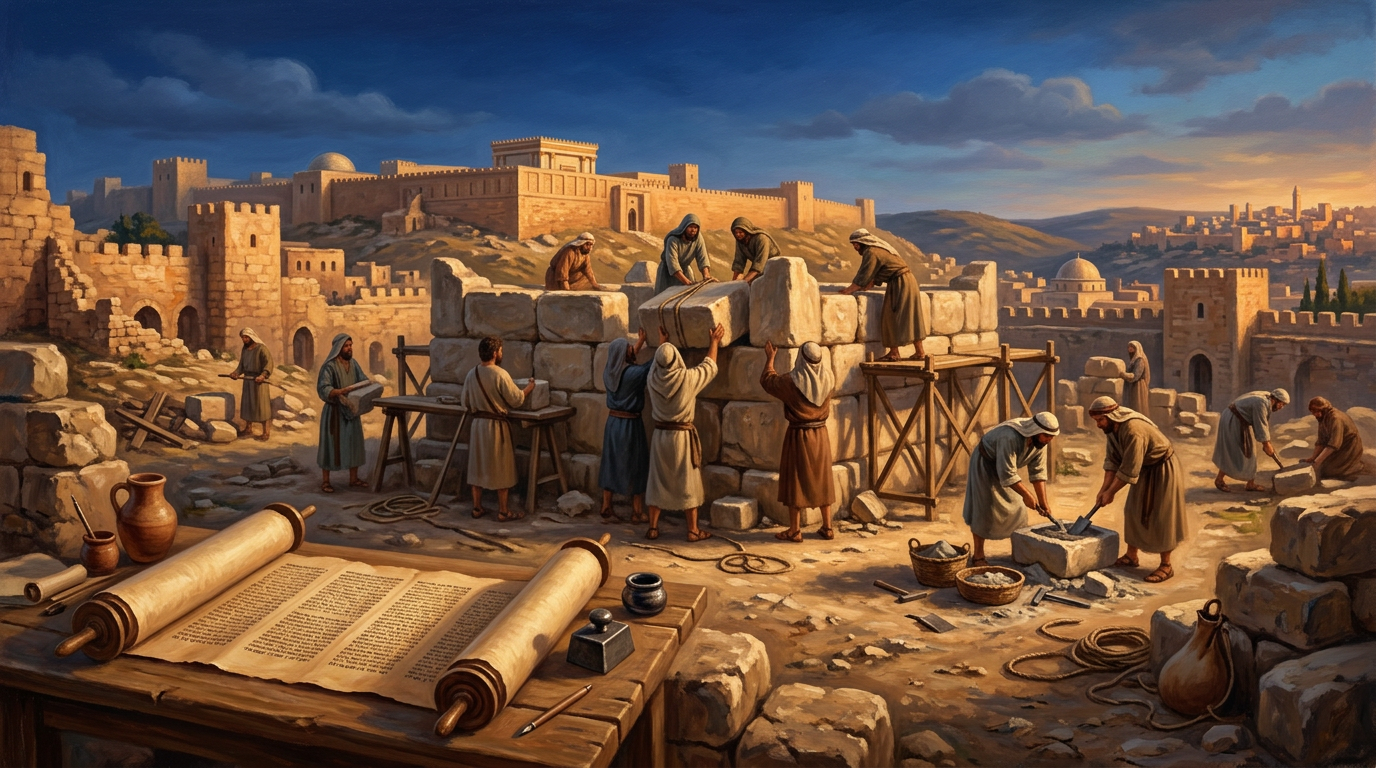
Stepping into the Book of Ezra feels like witnessing a sunrise after a long, dark night of captivity. This pivotal historical record captures the raw emotion and renewed hope of the Jewish people as they returned from the seventy-year Babylonian exile to restore their spiritual home. As you prepare to engage with our Ezra Bible word search, you are not merely looking for hidden terms; you are retracing the footsteps of a remnant who chose to trade the comforts of Persia for the rubble of Jerusalem. This narrative of perseverance and divine providence serves as the perfect backdrop for a quiet afternoon of reflection. Through this puzzle, we invite you to slow down and consider how ancient foundations were relaid by those who dared to trust in the promises of God.
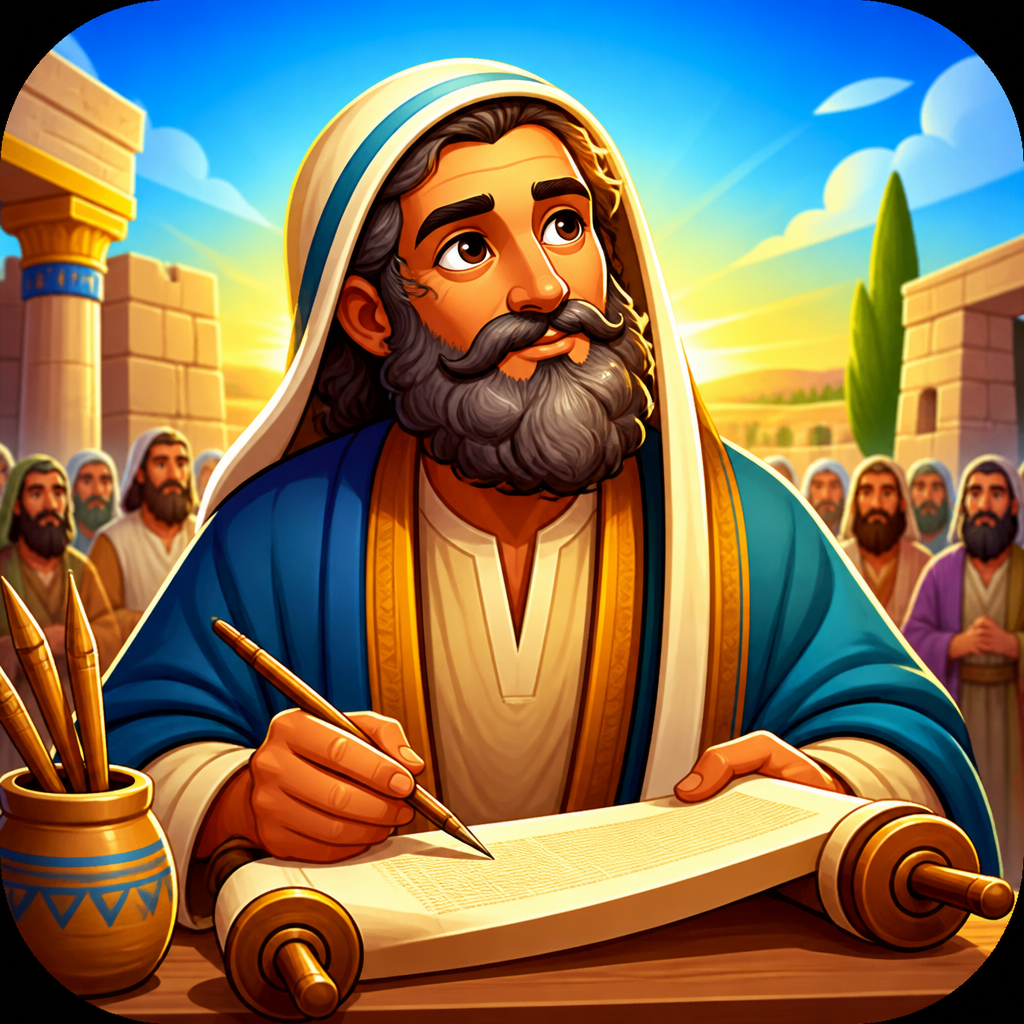
Historical Context and Authorship of Ezra
The Book of Ezra, originally paired with Nehemiah as a single volume in the Hebrew canon, serves as a vital bridge in the history of Israel. Traditionally attributed to Ezra the scribe, a man who 'prepared his heart to seek the law of the Lord,' the book was likely compiled between 450 and 420 B.C. It chronicles two distinct waves of return to Jerusalem: the first under Zerubbabel following the decree of Cyrus the Great in 538 B.C., and the second led by Ezra himself nearly eighty years later. Situated within the post-exilic historical books, its literary style is unique, blending official Persian decrees, genealogical lists, and first-person memoirs. The text serves as a meticulous record of how the Persian Empire, despite its pagan roots, became an instrument of God’s will to facilitate the rebuilding of the Temple. It transitionally moves the narrative of the Bible from the tragic warnings of the prophets to the tangible restoration of the sacrificial system and the purification of the community’s identity.
Major Themes and Spiritual Restoration in Ezra
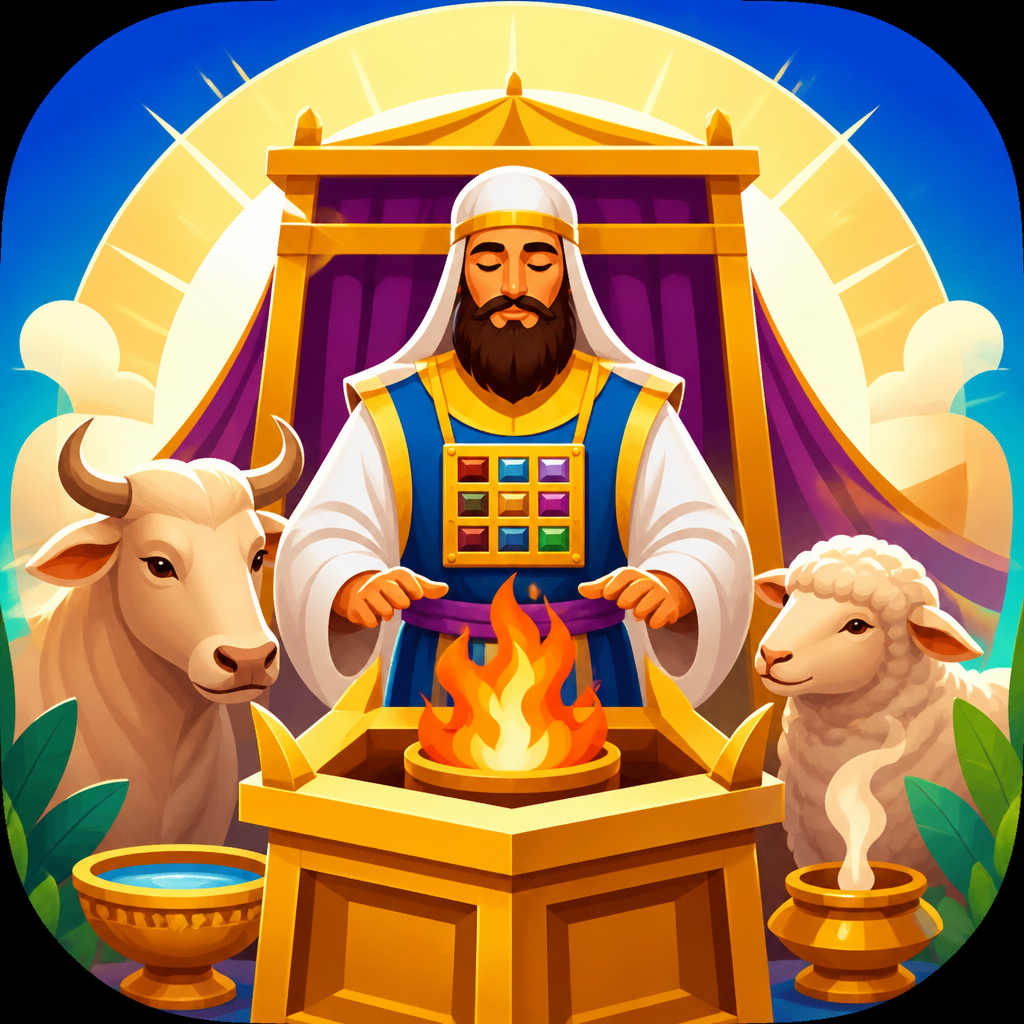
The central heartbeat of Ezra is the restoration of the Temple and the preservation of a holy people. The narrative begins in Ezra 1 with the surprising decree of Cyrus, demonstrating God’s sovereignty over world leaders. A major theme is the physical labor of rebuilding the house of God, which faced intense opposition from local adversaries as detailed in Ezra 4. This resistance mirrors the spiritual struggles often faced when attempting a new work for the Lord. Beyond the stone and mortar, Ezra focuses on the 'living stones'—the people themselves. In Ezra 7 through 10, the focus shifts to internal reform. Ezra’s arrival introduces a deep concern for the Law of Moses and the sanctity of the priesthood. The book culminates in a powerful scene of corporate repentance and prayer, emphasizing that physical restoration is incomplete without a corresponding spiritual awakening. It teaches that while the walls of a building are important, the purity of the heart is the true sanctuary where God chooses to dwell among His people.
Questions People Ask About Ezra
Who was Ezra in the Bible and what did he do?
Ezra was a priest and a 'ready scribe' in the Law of Moses who lived during the reign of Artaxerxes, King of Persia. He led the second group of Jews back to Jerusalem from exile. His primary mission was to teach the statutes and judgments of God to the people and to ensure that the community lived in accordance with the Mosaic Law. He is credited with initiating significant spiritual reforms and helping to reestablish the religious identity of the nation.
What is the main difference between Ezra and Nehemiah?
While both books deal with the return from exile, they focus on different aspects of restoration. Ezra focuses on the reconstruction of the Temple and the spiritual reformation of the people's hearts through the Law. Nehemiah, a contemporary of Ezra, focuses on the physical reconstruction of the city walls of Jerusalem and the political administration of the province. Together, they represent the total restoration of both the sacred and the civic life of the Jewish people.
Why did the Jews face opposition in the book of Ezra?
The opposition mentioned in Ezra 4 came from the surrounding peoples, including the Samaritans, who felt threatened by the return of the Jews and the rebuilding of Jerusalem. They used political lobbying, legal accusations, and intimidation to halt the work. This conflict highlights a recurring biblical theme: whenever God’s people begin a work of restoration, they often encounter resistance from those who benefit from the status quo of brokenness.
What was the Decree of Cyrus in the book of Ezra?
The Decree of Cyrus, found in Ezra 1:2-4, was a royal proclamation by the Persian King Cyrus the Great. It allowed the Jewish exiles to return to Jerusalem and commanded that they be assisted with silver, gold, and goods to rebuild the Temple of the Lord. This decree fulfilled the prophecy of Jeremiah concerning the seventy-year exile and demonstrated God's ability to move the hearts of kings to accomplish His divine purposes.
How does Ezra 9 show the importance of prayer?
In Ezra 9, Ezra discovers that the people had compromised their holiness by intermarrying with neighboring pagan nations. His response is a profound model of intercessory prayer. He falls on his knees, spreads out his hands, and confesses the sins of the nation as if they were his own. This act of 'standing in the gap' led to a national movement of repentance, showing that honest confession is the first step toward communal healing and restoration.
Words to Look For in This Puzzle
A curated list of names, places, and themes from Ezra.
Verses to Reflect On
“For Ezra had prepared his heart to seek the law of the Lord, and to do it, and to teach in Israel statutes and judgments.”
“And they sang together by course in praising and giving thanks unto the Lord; because he is good, for his mercy endureth for ever toward Israel. And all the people shouted with a great shout, when they praised the Lord, because the foundation of the house of the Lord was laid.”
“The hand of our God is upon all them for good that seek him; but his power and his wrath is against all them that forsake him.”
The legacy of Ezra is one of meticulous faithfulness and the belief that no matter how far God's people have drifted, restoration is always possible. As you solve this word search, let the names of the faithful and the places of their labor inspire your own spiritual walk. The story of the second temple reminds us that even small beginnings, when blessed by the hand of God, can lead to great manifestations of His glory. We hope this puzzle brings you both a sense of accomplishment and a deeper appreciation for the scribe who dedicated his life to the Word. May the historical truths of Ezra encourage you to rebuild areas of your life that may have fallen into disrepair.
Frequently Asked Questions
Is this Ezra Bible word search suitable for children?
Absolutely! We design our puzzles to be engaging for all ages. While some of the Persian names like Artaxerxes can be a bit challenging, it is a fantastic way for students to become familiar with the historical figures of the Old Testament while improving their spelling and vocabulary.
Can I print this Ezra puzzle for my Sunday School class?
Yes, you are welcome to print our puzzles for personal use or for small group settings like Sunday School, Bible studies, or home education. It serves as a great supplemental activity after a lesson on the return from exile or the rebuilding of the temple.
What is the best way to read the Book of Ezra online?
You can find the full text of Ezra in various translations at sites like BibleGateway or Blue Letter Bible. We recommend reading the King James Version to match the classic language used in our study sections and featured verses.
How long does it typically take to complete this word search?
Most people find that the Ezra word search takes about 10 to 20 minutes to complete. It is designed to be a relaxing way to engage with the Bible without being overly stressful, making it perfect for a morning devotional break.
More Bible puzzles
Puzzle powered by WordSearch.Life