1 Timothy Word Search
Explore the wisdom of 1 Timothy with our original Bible word search. Dive into Paul's guidance for young leaders and church order through scripture.

Navigating the complexities of early church leadership required more than just zeal; it demanded a blueprint for godliness and order. As you engage with our 1 Timothy word search, you are stepping into a mentorship that has spanned two millennia. This deeply personal yet profoundly practical letter captures the heartbeat of the Apostle Paul as he encourages his 'son in the faith' to stand firm against false teachings. By searching for these key biblical terms, you are doing more than solving a puzzle; you are meditating on the foundational instructions that helped the early church flourish in a challenging Roman world. We have crafted this experience to help families and students of the Word connect with the timeless truths hidden within this essential pastoral epistle.
The Context of First Timothy
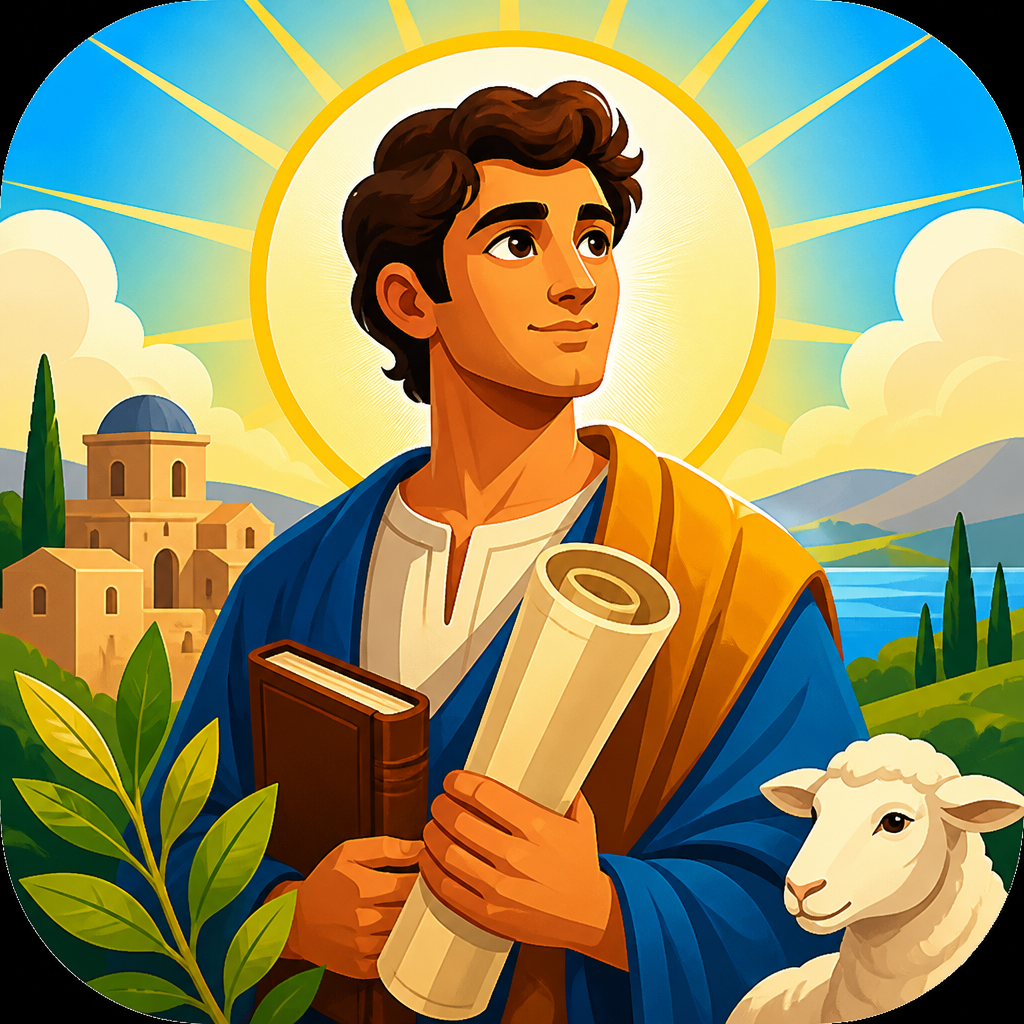
The First Epistle to Timothy is widely recognized as the first of the three Pastoral Epistles, written by the Apostle Paul to his younger protégé, Timothy. Composed around 62-64 AD, likely after Paul’s first Roman imprisonment, the letter serves as a manual for church governance and personal conduct. Timothy had been left in Ephesus, a city known for the great temple of Artemis and a swirling mix of philosophies, to oversee the growing congregation there. Paul writes not just as a superior, but as a spiritual father, providing specific instructions on the qualifications for overseers and deacons. The literary style is intimate yet authoritative, blending doctrinal correction with practical advice on everything from public prayer to the care of widows. Within the New Testament canon, 1 Timothy stands as a pillar of ecclesiastical structure, emphasizing that the way believers behave in the 'house of God' reflects the truth of the Gospel they proclaim.
Leadership and Sound Doctrine in 1 Timothy
Central to 1 Timothy is the concept of 'sound doctrine' as a defense against the myths and endless genealogies that were distracting the Ephesian believers in Chapter 1. Paul emphasizes the transformative power of the Gospel by reflecting on his own conversion, famously calling himself the 'chief' of sinners in a display of profound humility. Chapter 2 introduces the vital role of prayer for all people, especially those in authority, to ensure a quiet and peaceable life. A significant portion of the book, specifically Chapter 3, is dedicated to the character requirements for church leadership, focusing on being 'blameless' and 'apt to teach.' In Chapter 5, Paul provides a compassionate framework for the church to support widows and honor elders. Finally, the letter concludes in Chapter 6 with a stern warning against the love of money, identifying it as the root of all evil, and urging Timothy to 'fight the good fight of faith' while keeping his eyes on the appearing of the Lord Jesus Christ.
Questions People Ask About 1 Timothy
Who was Timothy in the Bible?
Timothy was a young disciple from Lystra, born to a Jewish mother and a Greek father. He became a close companion and trusted representative of the Apostle Paul. Paul often referred to him as his 'dearly beloved son' in the faith. Timothy played a crucial role in the early missions to Macedonia and Achaia and was eventually tasked with leading the church in Ephesus, where he faced the challenge of correcting false teachers while maintaining his own spiritual integrity despite his youth.
What are the qualifications for a bishop in 1 Timothy 3?
In 1 Timothy 3:1-7, Paul lists several essential qualifications for a bishop (or overseer). These include being blameless, the husband of one wife, vigilant, sober, of good behavior, given to hospitality, and apt to teach. He must not be given to wine or greedy for money, but patient and able to rule his own house well. Paul emphasizes that a leader must have a good report among those outside the church to avoid falling into reproach or the snare of the devil.
What does 1 Timothy say about the love of money?
In 1 Timothy 6:10, the scripture states that 'the love of money is the root of all evil.' Paul warns that those who covet after wealth often err from the faith and pierce themselves through with many sorrows. He contrasts this with the pursuit of godliness with contentment, which he describes as 'great gain.' The text encourages believers to trust in the living God rather than uncertain riches and to be rich in good works instead.
Why did Paul tell Timothy not to let anyone despise his youth?
In 1 Timothy 4:12, Paul encourages Timothy to overcome the stigma of his relatively young age by becoming an example to the believers. He instructs him to lead through his conversation, charity, spirit, faith, and purity. By demonstrating spiritual maturity and dedication to the public reading of Scripture, exhortation, and doctrine, Timothy could earn the respect of the congregation regardless of his years, proving that God's calling is not limited by age.
What is the pillar and ground of the truth in 1 Timothy?
In 1 Timothy 3:15, Paul identifies the 'house of God,' which is the 'church of the living God,' as the pillar and ground of the truth. This imagery suggests that the church has a foundational responsibility to support, protect, and hold up the truth of the Gospel in a world filled with falsehood. It emphasizes the collective role of believers in maintaining the integrity of Christian doctrine through their communal life and orderly conduct.
Words to Look For in This Puzzle
A curated list of names, places, and themes from 1 Timothy.
Verses to Reflect On
“This is a faithful saying, and worthy of all acceptation, that Christ Jesus came into the world to save sinners; of whom I am chief.”
“For there is one God, and one mediator between God and men, the man Christ Jesus;”
“Fight the good fight of faith, lay hold on eternal life, whereunto thou art also called, and hast professed a good profession before many witnesses.”
As you finish your word search and reflect on these verses, we hope the wisdom of 1 Timothy stays with you throughout your week. This letter serves as a beautiful reminder that our conduct matters and that every believer has a role in guarding the truth. Whether you are a student, a parent, or a church leader, the exhortations Paul gave to young Timothy offer a clear path toward a life of integrity and purpose. We invite you to print this puzzle for your Sunday school class or share it with a friend as a thoughtful way to engage with the Pastoral Epistles. May the grace of the Lord Jesus Christ be with you as you continue your journey through the Word.
Frequently Asked Questions
Can I print the 1 Timothy word search for my church group?
Yes, this puzzle is designed to be easily printed for personal use, Sunday school classes, or small group Bible studies focusing on church leadership and the life of Timothy.
What age group is this 1 Timothy puzzle suitable for?
This puzzle is ideal for older children, teens, and adults. The vocabulary is pulled directly from the KJV text of 1 Timothy, making it a great tool for vocabulary building and scripture memorization.
Is the 1 Timothy word search free to play online?
Absolutely. All our Bible-themed puzzles, including this one on 1 Timothy, are free to play and share, providing a engaging for all ages way to interact with the New Testament.
Where can I read the full text of 1 Timothy?
You can find 1 Timothy in the New Testament of any Bible. For those using the King James Version, it is located immediately following 2 Thessalonians and before 2 Timothy.
More Bible puzzles
Puzzle powered by WordSearch.Life