Micah Word Search
Explore the Book of Micah through our Bible word search. Learn about the Bethlehem prophecy, social justice, and God's mercy in this deep dive.
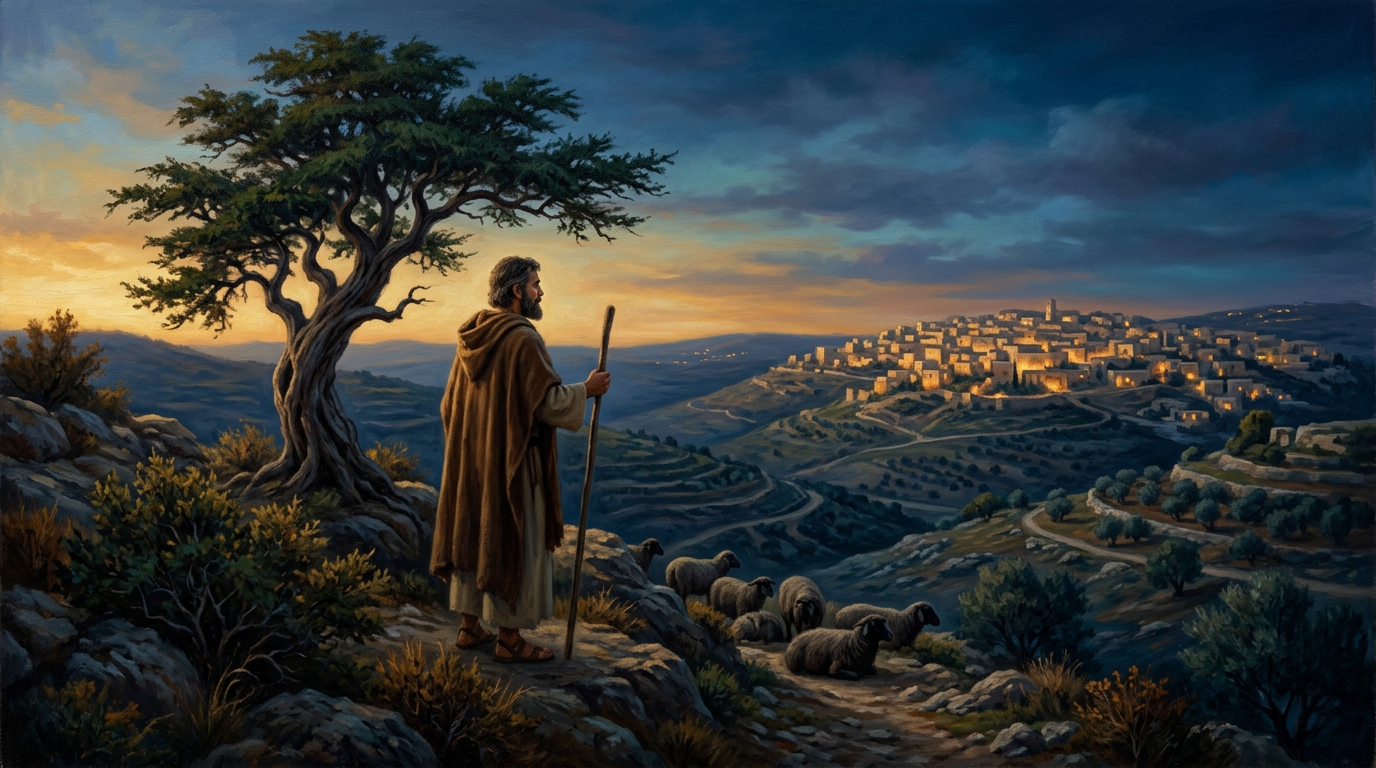
Searching for a meaningful way to engage with the Minor Prophets often leads readers to the powerful, rhythmic verses of Micah. This Judean prophet delivered a message that was both a stern warning to the corrupt and a beautiful promise of coming restoration. As you prepare to dive into our Micah word search puzzle, take a moment to consider how this ancient text continues to resonate today. Whether you are a dedicated student of the Word or a family looking for a Sunday afternoon activity, these puzzles are designed to highlight the profound vocabulary of a man who walked the dusty roads of Moresheth. By identifying key terms and names, you will strengthen your memory of the scriptures while reflecting on the timeless call to act justly and love mercy.
The Historical Context of Micah
Micah, whose name means 'Who is like Jehovah?', was a contemporary of the great prophets Isaiah and Hosea. Writing during the eighth century B.C., he hailed from the rural town of Moresheth-gath, located in the fertile foothills of Judah. His ministry spanned the reigns of kings Jotham, Ahaz, and Hezekiah, placing him at the center of a tumultuous era when the Assyrian Empire was expanding and threatening the sovereignty of Israel and Judah. Unlike Isaiah, who often spoke to the royal court in Jerusalem, Micah’s perspective was that of a countryman deeply concerned with the plight of the poor and the exploitation of the rural peasantry by the wealthy urban elite. The book is the sixth of the Twelve Minor Prophets in the Hebrew Bible and is renowned for its shifts between impending judgment and the glorious hope of a future Messianic kingdom. It is written in a sophisticated poetic style, rich with wordplay and vivid agricultural metaphors that reflect the prophet's southern Judean roots.
Justice, Mercy, and the Bethlehem Prophecy
The Book of Micah is structured around three distinct cycles of judgment and hope, each beginning with the command to 'Hear.' One of the most prominent themes is the condemnation of social injustice. In Micah 2 and 3, the prophet boldly rebukes the leaders and false prophets who 'pluck off their skin from off them, and their flesh from off their bones,' illustrating the brutal exploitation of the common people. However, amidst these warnings, Micah delivers some of the most specific Messianic prophecies in the Old Testament. In Micah 5, he identifies Bethlehem Ephratah as the humble birthplace of the future Ruler of Israel whose 'goings forth have been from of old, from everlasting.' This message of hope culminates in the famous summary of true religion found in Micah 6:8, which distills the complex requirements of the Law into three simple commands: to do justly, to love mercy, and to walk humbly with God. The book concludes with a moving liturgy of repentance and a celebration of God's incomparable compassion, promising that He will cast the sins of His people into the depths of the sea.
Questions People Ask About Micah
What does Micah 6:8 mean?
Micah 6:8 is a summary of the ethical and spiritual requirements God has for His people. It moves beyond external rituals and sacrifices, emphasizing a heart transformed by grace. To 'do justly' means treating others with fairness and integrity; to 'love mercy' involves showing active kindness and compassion; and to 'walk humbly' suggests a lifestyle of constant, modest dependence on God’s guidance rather than one's own pride or power.
Where does Micah say Jesus will be born?
In Micah 5:2, the prophet specifically names Bethlehem Ephratah as the birthplace of the coming Messiah. This prophecy is significant because it distinguishes between the small village in Judah and another Bethlehem in the north. The New Testament records that the chief priests and scribes cited this exact verse to King Herod when the Wise Men arrived searching for the King of the Jews.
Who was Micah in the Bible?
Micah was a prophet from Moresheth, a small village in the Shephelah of Judah. He was active between approximately 735 and 700 B.C. unlike many other prophets, he was a rural villager who championed the rights of the poor against greedy landowners. He is distinct from Micaiah the son of Imlah, who lived during the time of King Ahab.
Why did Micah prophesy against Samaria and Jerusalem?
Micah prophesied against these capital cities because they were the centers of political and religious corruption. He saw the wealthy elite in these cities oppressing the poor and the religious leaders taking bribes. Micah warned that their idolatry and lack of social concern would lead to the destruction of Samaria by the Assyrians and the eventual ruin of Jerusalem and its temple.
How does Micah describe God's forgiveness?
Micah offers one of the most beautiful descriptions of divine forgiveness in the Bible. In Micah 7:18-19, he marvels that God 'pardoneth iniquity' and 'retaineth not his anger for ever.' He uses the powerful imagery of God treading our iniquities underfoot and casting all our sins into the 'depths of the sea,' signifying a complete and permanent removal of guilt for the remnant of His heritage.
Words to Look For in This Puzzle
A curated list of names, places, and themes from Micah.
Verses to Reflect On
“But thou, Bethlehem Ephratah, though thou be little among the thousands of Judah, yet out of thee shall he come forth unto me that is to be ruler in Israel; whose goings forth have been from of old, from everlasting.”
“He hath shewed thee, O man, what is good; and what doth the LORD require of thee, but to do justly, and to love mercy, and to walk humbly with thy God?”
“Who is a God like unto thee, that pardoneth iniquity, and passeth by the transgression of the remnant of his heritage? he retaineth not his anger for ever, because he delighteth in mercy.”
The Book of Micah serves as a vital bridge between the law of the past and the grace of the future. By studying its verses, we are reminded that our faith is not merely a matter of words, but of active, compassionate living. As you search for the names and themes hidden in our puzzle, let the words of this ancient prophet sink deep into your heart. May the promise of a Ruler from Bethlehem and the assurance of God’s deep compassion encourage you today. We hope this Micah word search provides a moment of peace and reflection in your busy schedule, helping you to hide God's Word in your heart while enjoying a classic challenge.
Frequently Asked Questions
Is this Micah word search puzzle free to use?
Yes, our Bible word search puzzles are completely free to view and use for personal or educational purposes. They are designed to help families and students engage more deeply with the Book of Micah in a fun, interactive way.
Can I print the Micah puzzle for my Sunday School class?
Absolutely! We encourage teachers and ministry leaders to print our puzzles for classroom use. The Book of Micah is an excellent subject for teaching children and adults alike about justice, humility, and the prophecy of Jesus’ birth.
What age group is this Micah activity intended for?
This puzzle is suitable for all ages, from older children to seniors. The vocabulary is taken directly from the text of Micah, making it a great tool for building biblical literacy and improving concentration for everyone.
Where can I read the full Book of Micah online?
The entire Book of Micah, which consists of seven chapters, can be read on various Bible websites such as BibleGateway or Blue Letter Bible. We recommend the King James Version to match the terminology used in our puzzles.
More Bible puzzles

Puzzle powered by WordSearch.Life