Nahum Word Search
Discover the prophetic message of Nahum alongside our Bible Word Search. Explore the history of Nineveh, divine justice, and historical biblical puzzles.
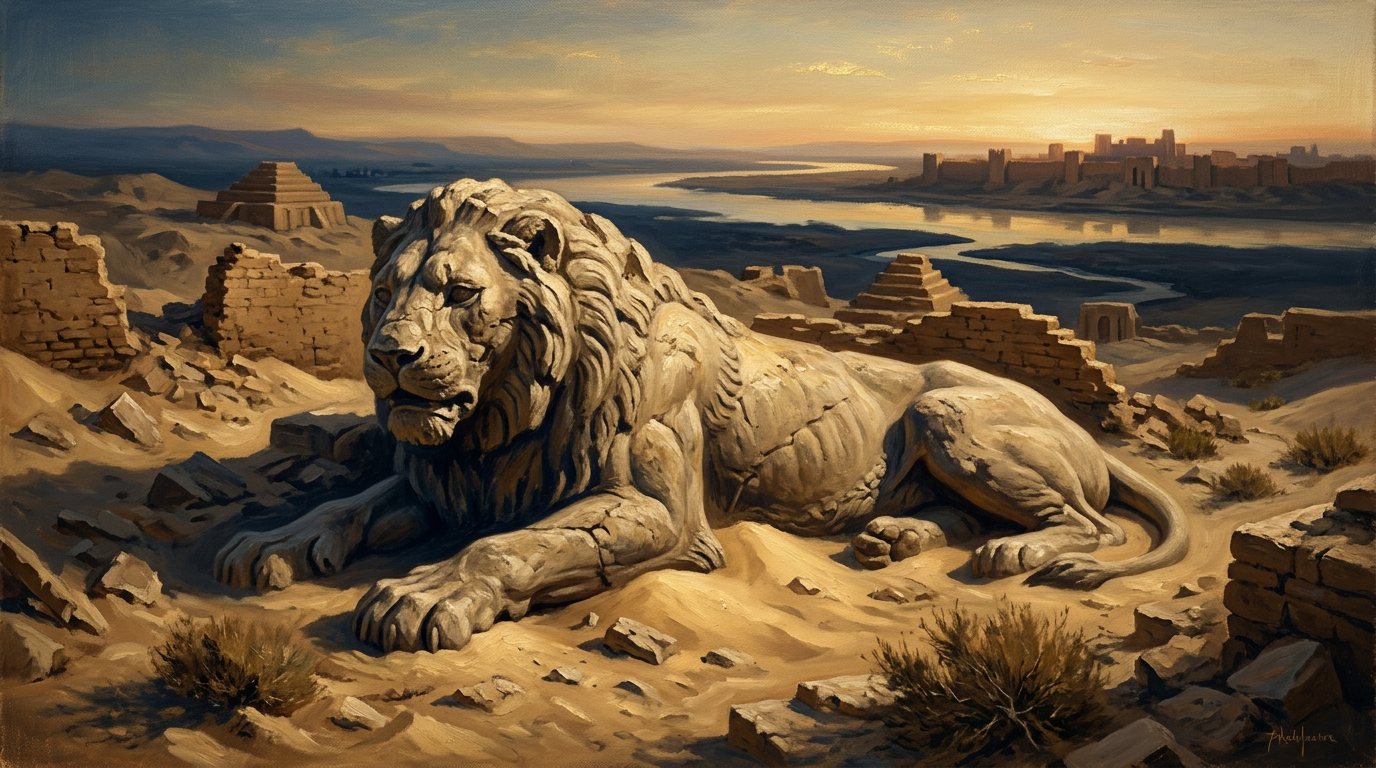
Nahum offers a striking and poetic glimpse into a pivotal moment of ancient history, focusing on the inevitable fall of the once-mighty city of Nineveh. While many readers are familiar with Jonah's earlier journey to this same capital, Nahum provides the subsequent chapter of the story, emphasizing God's role as a protector of the oppressed and a judge of cruelty. As you prepare to engage with our curated word search puzzle, you are invited to slow down and consider the vivid imagery and historical weight of this minor prophet's message. This page serves as a peaceful intersection where biblical scholarship meets interactive reflection, helping you commit the vibrant vocabulary of this short but powerful book to memory. Whether you are a lifelong student of scripture or a casual puzzler, there is much to discover within these verses.
The Historical Context of Nahum
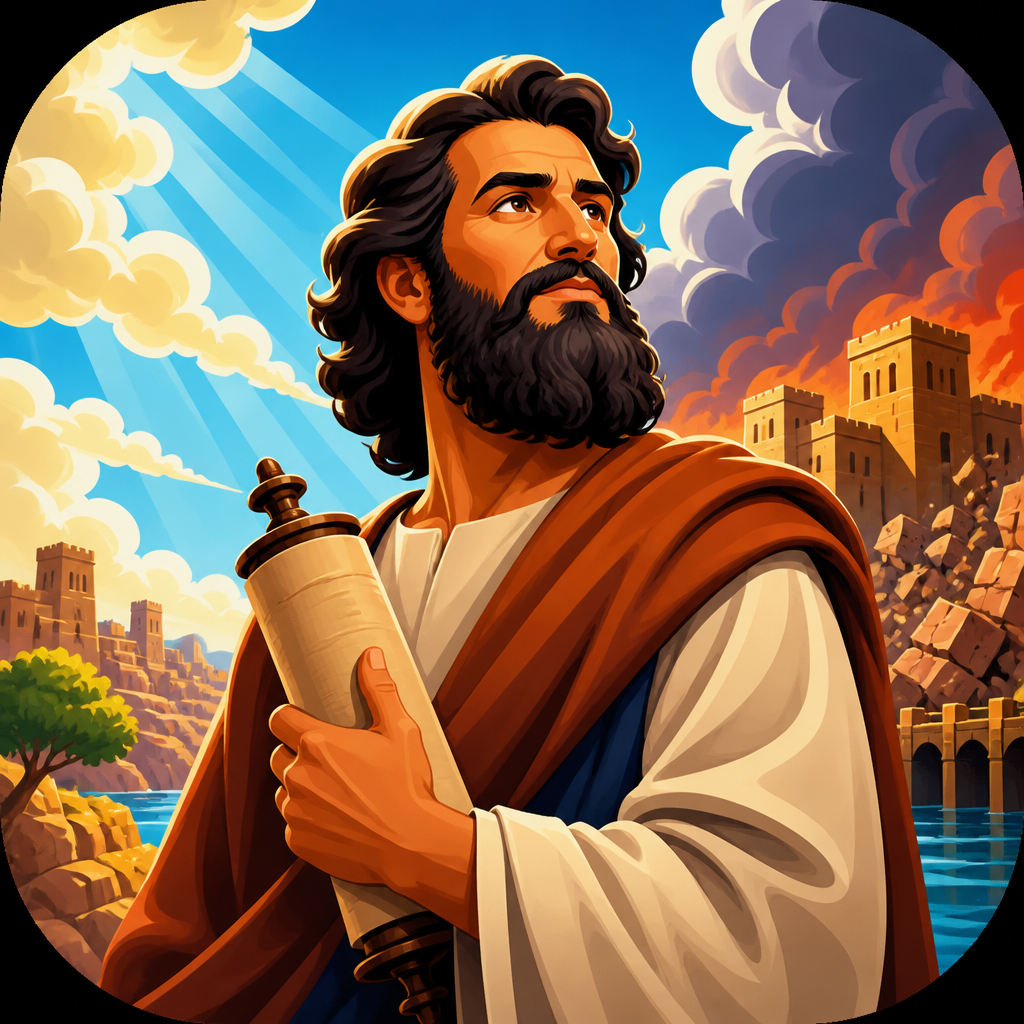
The Book of Nahum is the seventh of the twelve Minor Prophets in the Christian Old Testament. Attributed to Nahum the Elkoshite, the text was likely composed in the mid-seventh century BC, specifically between the fall of the Egyptian city of Thebes in 663 BC and the ultimate destruction of Nineveh in 612 BC. Unlike Jonah, who preached a message of repentance to the Ninevites, Nahum writes a century later when the Assyrian Empire had returned to a path of conquest and pride. Written in high-quality Hebrew poetry, the book functions as a 'burden' or an oracle concerning Nineveh, the capital of the Assyrian Empire. It serves as a historical bookend, showing that while God is slow to anger, He is also the sovereign ruler of nations who holds empires accountable for their conduct. Its place in the canon provides a necessary balance to our understanding of divine character, illustrating that comfort for the weary often comes through the restoration of justice in the world.
Justice, Sovereignty, and Mercy in Nahum
The primary theme of Nahum is the sovereign justice of God over the world's superpowers. The book opens in Chapter 1 with a magnificent description of the Lord's power over nature—the clouds, the sea, and the mountains—establishing that no earthly fortress is beyond His reach. A unique aspect of Nahum is the contrast between the 'whirlwind' of judgment for the defiant and the 'strong hold' provided for those who trust in Him (Nahum 1:7). The second and third chapters transition into a graphic, detailed vision of the siege of Nineveh, describing chariots, flashing swords, and the flooding of the river gates. This isn't merely a record of war, but a theological statement that cruelty and exploitation have an expiration date. Unlike many other prophetic books, Nahum contains no call to repentance for the target nation; rather, it is a message of comfort for the people of Judah, who had long suffered under Assyrian occupation. It reminds the reader that God hears the cries of the afflicted and will eventually intervene to break the yoke of the oppressor.
Questions People Ask About Nahum
What is the main message of the book of Nahum?
The main message of Nahum is the announcement of God's judgment upon Nineveh for its cruelty, idolatry, and pride. It emphasizes that while God is patient, He will not acquit the wicked. For the people of Judah, the book served as a source of comfort, assuring them that the Assyrian 'yoke' would be broken and that God remains a stronghold in times of trouble (Nahum 1:7-13).
How does Nahum differ from the book of Jonah?
While both books focus on the city of Nineveh, they show different stages of God’s dealings. Jonah focuses on God's mercy and the city's repentance around 760 BC. Nahum, written about 100 years later, focuses on God's justice and the city's final destruction in 612 BC after they returned to their violent ways. Together, they provide a complete picture of divine patience and eventual accountability.
Where was the city of Nineveh located in the Bible?
In biblical times, Nineveh was the capital of the Assyrian Empire, located on the eastern bank of the Tigris River. In modern geography, these ruins lie across the river from the city of Mosul in northern Iraq. Nahum accurately predicted that the 'gates of the rivers' would be opened, leading to the city's collapse, which history confirms occurred via flooding during the final siege.
Who was Nahum the Elkoshite in the Bible?
Nahum, whose name means 'comforter' or 'full of comfort,' is identified only as an Elkoshite. While the exact location of Elkosh is debated, scholars suggest it was likely a small village in Galilee or Judah. His identity is defined more by his message than his biography, acting as a messenger of hope to a nation under the shadow of a foreign superpower.
What does Nahum 1:7 mean for Christians today?
Nahum 1:7 states, 'The Lord is good, a strong hold in the day of trouble; and he knoweth them that trust in him.' For modern readers, this verse is a foundational promise of God's character. It suggests that even in chaotic or frightening times (the 'day of trouble'), God provides a spiritual refuge and maintains a personal, intimate knowledge of those who rely on Him.
Words to Look For in This Puzzle
A curated list of names, places, and themes from Nahum.
Verses to Reflect On
“The Lord is slow to anger, and great in power, and will not at all acquit the wicked: the Lord hath his way in the whirlwind and in the storm, and the clouds are the dust of his feet.”
“The Lord is good, a strong hold in the day of trouble; and he knoweth them that trust in him.”
“Behold upon the mountains the feet of him that bringeth good tidings, that publisheth peace! O Judah, keep thy solemn feasts, perform thy vows: for the wicked shall no more pass through thee; he is utterly cut off.”
As you search for these historical and prophetic terms in our Nahum word search, take a moment to appreciate the enduring nature of these ancient words. The prophecy of Nahum reminds us that history is not a series of random events, but a story overseen by a God who values justice and provides a refuge for the humble. We hope this puzzle helps you engage more deeply with this often-overlooked book of the Bible, bringing its striking imagery and comforting promises to life. Once you have completed the word search, we encourage you to read through the three short chapters of Nahum to see these powerful words in their original, inspired context.
Frequently Asked Questions
Is this Nahum word search puzzle free to use?
Yes, our Bible word search puzzles are completely free to play online or print for personal use, Sunday school classes, or small group study sessions focused on the Minor Prophets.
Can I print the Nahum puzzle for my church group?
Absolutely. We encourage teachers and pastors to print our puzzles as a fun, engaging way to introduce students to the book of Nahum and its historical significance.
What age group is this Bible puzzle designed for?
This puzzle is engaging for all ages and suitable for all ages. While the themes of Nahum are sophisticated, the word search format is accessible for children, teens, and adults alike.
Where can I read the full book of Nahum online?
The full text of Nahum can be found on most major Bible websites. We recommend the King James Version for those wishing to see the exact phrasing used in our word search.
More Bible puzzles
Puzzle powered by WordSearch.Life