2 John Word Search
Explore the shortest book in the Bible with our 2 John word search. Discover themes of truth, elder wisdom, and walking in the commandments of Christ.
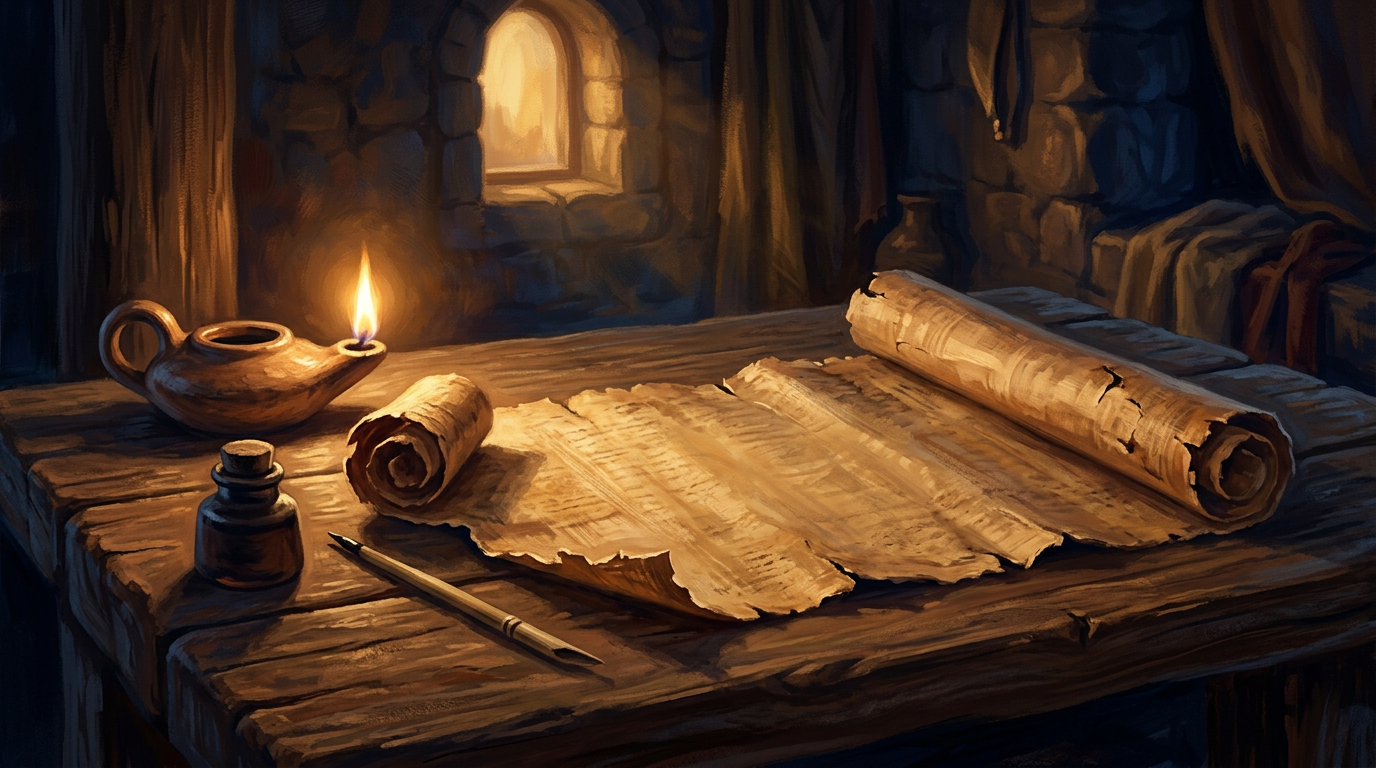
Tucked toward the end of the New Testament lies a brief yet potent letter that captures the heart of early Christian fellowship. The book of 2 John serves as a poignant reminder that truth and love are inseparable companions in the life of a believer. As you prepare to engage with our specialized word search puzzle, you are invited to slow down and notice the specific language used by the Elder to protect a small community from drifting away. This page exists to help you internalize the vocabulary of the Johannine tradition, turning a simple leisure activity into a moment of biblical reflection. By finding the hidden terms from this short epistle, you connect with a historical moment where hospitality met discernment in the beautiful, fledgling days of the church.
The Context of the Second Epistle of John
The Second Epistle of John is uniquely distinguished as the shortest book in the entire Bible by word count. Traditionally attributed to John the Apostle, who identifies himself simply as 'the elder,' this letter was likely written toward the end of the first century, between 85 and 95 AD. Unlike many other epistles addressed to entire city-wide churches, 2 John is addressed to 'the elect lady and her children.' While some scholars debate whether this refers to a specific influential woman or is a poetic personification of a local house church, the message remains clear: the community must remain grounded in the apostolic teaching. The literary style is intimate yet urgent, reflecting the Johannine emphasis on 'abiding' in Christ. It was likely sent from Ephesus, a major center of early Christianity, to a nearby congregation facing the threat of itinerant teachers who denied the physical incarnation of Jesus. In just thirteen verses, the author manages to summarize the essence of the Christian walk, balancing the warmth of brotherly love with the steel of doctrinal integrity.
Theology and Warning in 2 John
The primary theological scaffolding of 2 John is the harmony between 'Truth' and 'Love.' The Elder begins by expressing his joy at finding the children of the elect lady 'walking in truth,' a phrase that appears in verse 4. This is not a cold, intellectual truth, but a living reality that dictates behavior. A second major theme is the 'Commandment,' specifically the one given from the beginning: that we love one another. John clarifies that love is not a vague feeling but is defined by walking according to God's requirements. The letter takes a sharp, protective turn in verses 7 through 11, where John warns against 'deceivers' and 'antichrists' who do not confess that Jesus Christ is come in the flesh. The book provides a practical, albeit strict, application of hospitality, advising the church not to receive into their houses anyone who brings a false doctrine. This emphasizes the theme of spiritual discernment, ensuring that the 'doctrine of Christ' is preserved so that the believers do not lose the things they have wrought but receive a full reward.
Questions People Ask About 2 John
Who is the elect lady in 2 John?
The 'elect lady' mentioned in 2 John 1:1 is a subject of two primary interpretations. She may be a specific, unnamed Christian woman who hosted a church in her home, or she could be a symbolic personification of a local congregation. The Greek 'eklekte kyria' suggests a position of honor. Regardless of the literal identity, the message serves to encourage a specific community to remain faithful to the truth and to exercise caution regarding who they support in their ministry.
What is the shortest book in the Bible?
2 John is the shortest book in the Bible when measured by the number of words in the original Greek text, consisting of only 13 verses and approximately 245 words. While 3 John has 14 verses, it actually contains fewer characters and words in many translations, making these two sisters-letters the most concise documents in the biblical canon. Both were likely written to fit on a single standard sheet of papyrus.
What does 2 John say about deceivers?
In 2 John 1:7, the author warns that 'many deceivers are entered into the world.' These individuals are specifically identified as those who deny that Jesus Christ has come in the flesh. John labels such a person a 'deceiver and an antichrist.' He instructs the faithful to look to themselves so they do not lose their spiritual progress and warns against offering hospitality to those who propagate these false teachings.
What is the doctrine of Christ in 2 John?
The 'doctrine of Christ' mentioned in 2 John 1:9 refers to the foundational apostolic teaching concerning the identity and nature of Jesus. John states that anyone who 'transgresseth, and abideth not in the doctrine of Christ, hath not God.' To abide in this doctrine means to remain faithful to the truth that Jesus is the Son of God come in human form and to live according to His commandments.
Why does 2 John mention ink and pen?
In the final verses (2 John 1:12), the author notes that he has many things to write but prefers not to use 'paper and ink.' Instead, he expresses a desire to speak 'face to face' so that their joy may be full. This highlights the importance of personal presence and fellowship in the early church, suggesting that while letters were necessary for correction, physical gathering was the goal.
Words to Look For in This Puzzle
A curated list of names, places, and themes from 2 John.
Verses to Reflect On
“And this is love, that we walk after his commandments. This is the commandment, That, as ye have heard from the beginning, ye should walk in it.”
“Whosoever transgresseth, and abideth not in the doctrine of Christ, hath not God. He that abideth in the doctrine of Christ, he hath both the Father and the Son.”
“Having many things to write unto you, I would not write with paper and ink: but I trust to come unto you, and speak face to face, that our joy may be full.”
As you search for the words and themes hidden within this 2 John puzzle, may the brevity of the letter remind you of the clarity of the Gospel. The Elder’s call to love one another while remaining vigilant against falsehood is as relevant today as it was in the first century. We hope this activity encourages you to open your Bible and read these thirteen verses for yourself, noticing the warmth of the greetings and the weight of the warnings. Whether you are solving this alone or with family, let the pursuit of 'truth' and 'love' be your guide. Carry the lessons of 2 John with you as you walk your own path of faith.
Frequently Asked Questions
Is this 2 John word search suitable for Sunday School?
Yes, it is perfectly suited for Sunday School or home Bible study. The vocabulary is taken directly from the KJV text of 2 John, providing a great way for students to familiarize themselves with the book's key concepts in an engaging, engaging for all ages format.
Can I print this Bible puzzle for my church group?
Absolutely. This puzzle is designed to be easily accessible for groups wanting to study the General Epistles. It serves as an excellent supplemental resource for those reading through the Johannine letters.
What age group is this puzzle intended for?
Because it uses specific biblical terminology like 'transgresseth' and 'doctrine,' it is best for older children (ages 8+), teens, and adults who enjoy a meaningful challenge while reflecting on 2 John.
Where can I read the full text of 2 John online?
The full text of 2 John is widely available on sites like BibleGateway or Blue Letter Bible. Since it is only thirteen verses long, it takes less than two minutes to read the entire book in the King James Version.
More Bible puzzles
Puzzle powered by WordSearch.Life