Zechariah Word Search
Explore the profound visions of the post-exilic prophet with our Zechariah puzzle and study guide. Perfect for Sunday school or personal Bible study.
Stepping into the world of Zechariah feels like walking through a gallery of vivid, spiritual masterpieces. This minor prophet provided a major voice of encouragement for the Jewish remnant returning from Babylonian exile. As you prepare to engage with our latest word search, you are not merely looking for hidden letters; you are tracing the contours of ancient hope and messianic expectation. Zechariah is a book where the heavens seem to open, revealing horses of different colors, measuring lines, and the promise of a coming King. Whether you are a lifelong student of the Word or a curious newcomer, this puzzle serves as a gateway to understanding the profound symbols that define this prophetic work. Let the search for these significant terms deepen your appreciation for this unique corner of the Old Testament.
Historical Context of the Prophet Zechariah
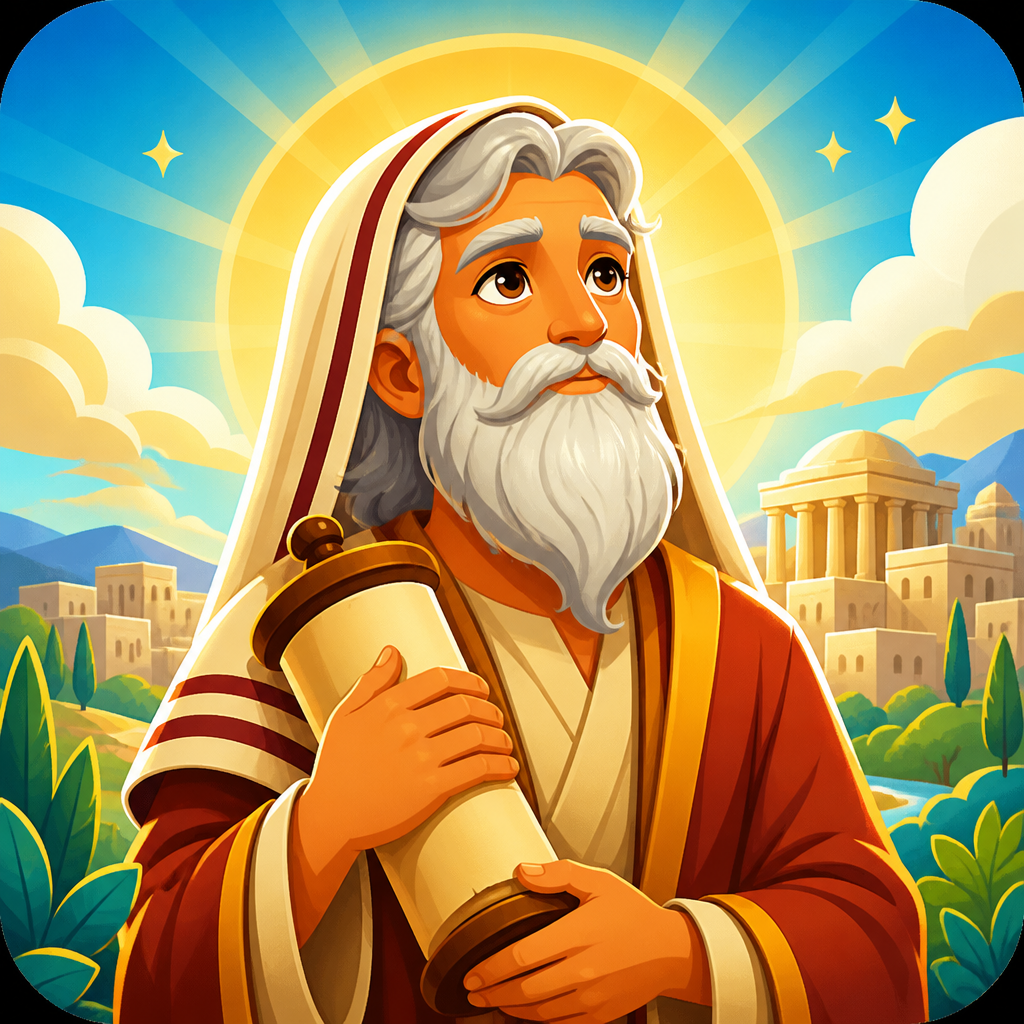
Zechariah, the son of Berechiah, was a priest and a prophet who began his ministry around 520 B.C., roughly two months after his contemporary, Haggai. His writing is situated during the post-exilic period, a time when the Jewish people had returned to Jerusalem under the decree of Cyrus the Great but were struggling with discouragement. The foundation of the temple had been laid, yet the work had ceased due to opposition and spiritual lethargy. Zechariah's primary mission was to stir the hearts of the people to finish rebuilding the house of the Lord. Canonically, Zechariah is the eleventh of the twelve Minor Prophets, though its length and thematic depth rival the major prophetic works. The book is distinct for its apocalyptic style, employing complex visions and angelic mediators to convey God's messages. It is divided into two main sections: the first eight chapters focus on night visions and the reconstruction of the temple, while the final chapters shift toward an eschatological focus, detailing the future triumph of the Messiah and the restoration of Israel.
Prophetic Visions and Messianic Hope
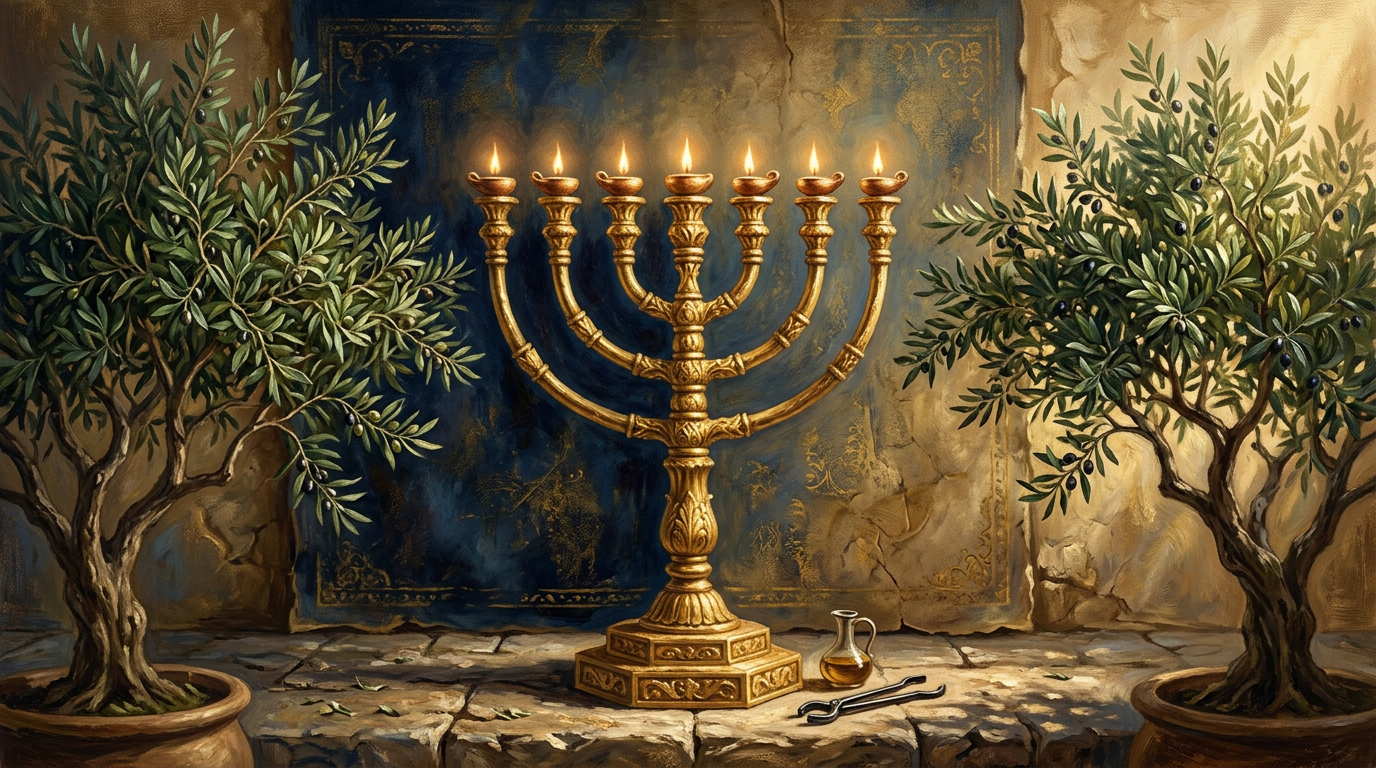
The literary landscape of Zechariah is rich with symbolic imagery. The first half of the book is anchored by eight night visions, including the four horsemen in chapter 1 and the golden lampstand in chapter 4, which symbolizes the presence of God's Spirit in the reconstruction effort. A central figure is Joshua the high priest, who appears in chapter 3 wearing filthy garments that are replaced with rich apparel, representing God's grace and the cleansing of the nation. Zechariah is also profoundly messianic; it contains specific predictions about the life of Jesus Christ that are frequently cited in the New Testament. These include the prophecy of the King entering Jerusalem riding on a donkey in chapter 9 and the tragic foreshadowing of the thirty pieces of silver in chapter 11. The book concludes with a powerful vision of the Lord's return to the Mount of Olives and the ultimate establishment of His kingdom, where 'Holiness unto the Lord' shall be written even upon the bells of the horses, emphasizing a world fully reconciled to its Creator.
Questions People Ask About Zechariah
Who was Zechariah in the Bible?
Zechariah was a priest and a prophet who served in the post-exilic period. As the son of Berechiah and grandson of Iddo, he belonged to a priestly family that returned from the Babylonian captivity. Alongside Haggai, he encouraged the governor Zerubbabel and the high priest Joshua to complete the rebuilding of the Second Temple in Jerusalem. His name means 'Yahweh remembers,' which perfectly encapsulates his message that God had not forgotten His covenant people despite their long exile.
What are the eight visions of Zechariah?
The eight night visions in Zechariah chapters 1 through 6 include: the horsemen among the myrtle trees, the four horns and four smiths, the man with a measuring line, the cleansing of Joshua the high priest, the golden lampstand and two olive trees, the flying scroll, the woman in a basket (ephah), and the four chariots. These visions served as divine encouragement, assuring the people that God was sovereign over the nations and would restore Jerusalem's holiness.
What does Zechariah 4:6 mean?
Zechariah 4:6 contains the famous phrase, 'Not by might, nor by power, but by my spirit, saith the Lord of hosts.' This message was directed to Zerubbabel, the governor of Judah. It served as a reminder that the rebuilding of the temple and the restoration of the nation would not be accomplished through human military strength or political maneuvering, but through the divine enabling and empowerment of the Holy Spirit.
How does Zechariah prophecy about Jesus?
Zechariah contains several specific messianic prophecies. Chapter 9:9 predicts the Messiah's triumphal entry into Jerusalem on a donkey. Chapter 11:12-13 foretells His betrayal for thirty pieces of silver, which are then thrown to the potter. Chapter 12:10 speaks of the people looking upon 'him whom they have pierced,' and chapter 13:7 mentions the shepherd being smitten and the sheep being scattered, all of which the New Testament writers apply to the life and passion of Jesus Christ.
What is the meaning of the two olive trees in Zechariah 4?
In Zechariah 4, the two olive trees standing on either side of the golden lampstand represent the two 'anointed ones' who serve the Lord of the whole earth. Historically, these were identified as Zerubbabel (the civil leader) and Joshua (the religious leader). The trees symbolize a continuous supply of oil—representing the Holy Spirit—flowing into the lampstand, ensuring that the light of God's presence and testimony would never be extinguished in the land.
Words to Look For in This Puzzle
A curated list of names, places, and themes from Zechariah.
Verses to Reflect On
“Then he answered and spake unto me, saying, This is the word of the Lord unto Zerubbabel, saying, Not by might, nor by power, but by my spirit, saith the Lord of hosts.”
“Rejoice greatly, O daughter of Zion; shout, O daughter of Jerusalem: behold, thy King cometh unto thee: he is just, and having salvation; lowly, and riding upon an ass, and upon a colt the foal of an ass.”
“And the Lord shall be king over all the earth: in that day shall there be one Lord, and his name one.”
The book of Zechariah is a beautiful tapestry that weaves together historical challenges with eternal promises. As you search for names like Zerubbabel and symbols like the lampstand in our puzzle, take a moment to reflect on the persistence of God's grace. Just as the prophet encouraged the ancient builders to pick up their tools, may these words encourage you in your own spiritual journey. The visions of Zechariah remind us that even in times of small beginnings, God is at work through His Spirit to bring about a glorious end. Enjoy the challenge of the search and the richness of the scripture that inspired it.
Frequently Asked Questions
Is this Zechariah word search puzzle free to download?
Yes! All our Bible-themed puzzles, including this one based on the book of Zechariah, are completely free to use for personal study, family game nights, or church groups. You can easily print them directly from your browser.
What age group is the Zechariah puzzle designed for?
While the themes in Zechariah are deep, the word search is designed for ages 8 and up. It is a wonderful way for children to become familiar with biblical names and for adults to sharpen their memory of the minor prophets.
Where can I read the full text of Zechariah online?
You can find the complete Book of Zechariah in the King James Version on various reputable sites like BibleGateway or Blue Letter Bible. We recommend reading the chapters alongside the puzzle to see the words in their full context.
Can I use this Zechariah puzzle for my Sunday School class?
Absolutely. We encourage teachers to use these resources to make the Bible more engaging. These puzzles are excellent 'bridge' activities to keep students focused while discussing the historical and prophetic importance of the post-exilic period.
More Bible puzzles
Puzzle powered by WordSearch.Life